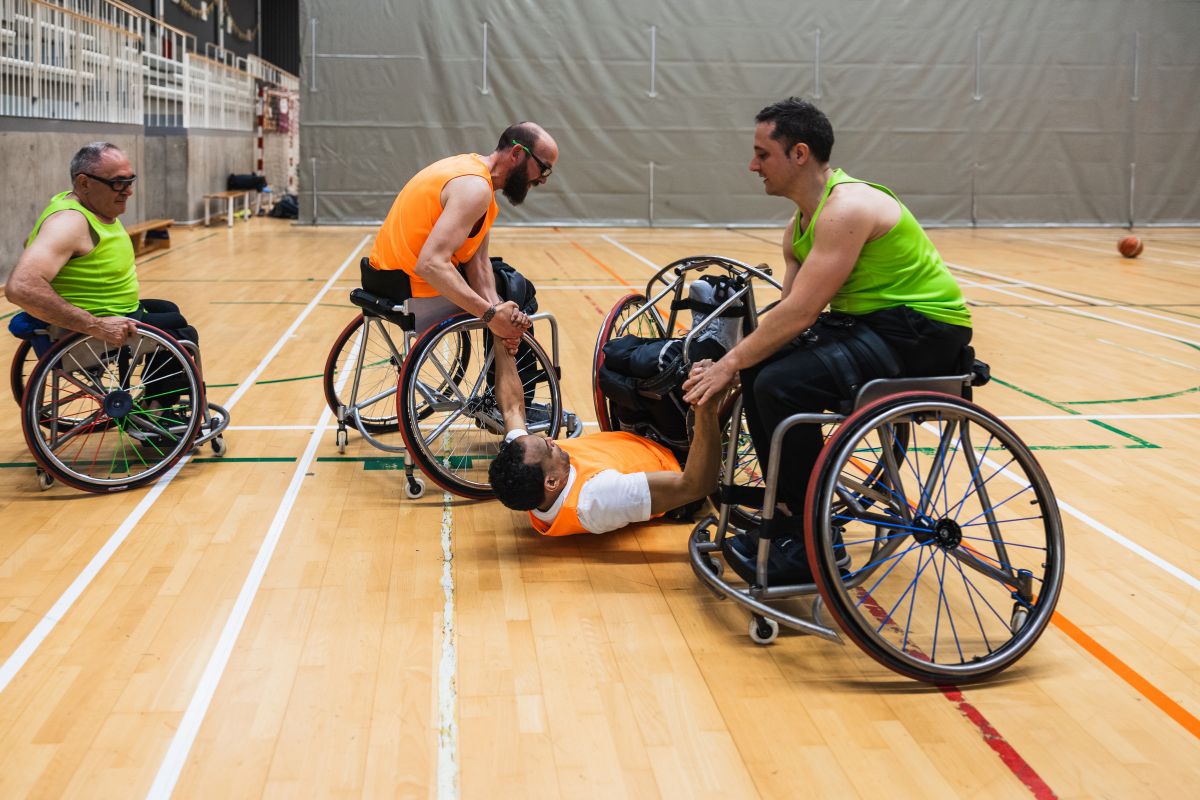
The Paralympic Winter Games are a big sporting event for athletes with disabilities. They happen every four years, right after the regular Winter Olympics. Athletes compete in sports like skiing, snowboarding, and ice hockey.
These games celebrate the sports skills of athletes who face challenges every day. For example, sled hockey is a thrilling sport where players use sleds to skate on the ice. Many people find inspiration in watching these amazing athletes showcase their talents.
History of the Paralympic Winter Games
The Paralympic Winter Games started in 1976 in Sweden. They were created for athletes with disabilities to compete in winter sports like skiing and ice hockey. Since then, they’ve grown a lot.
In the early days, there were just a few sports and countries involved. Now, many athletes from around the world participate. Each event showcases incredible skill and determination, making these games truly special.
Key Events in the Paralympic Winter Games
The Paralympic Winter Games are all about showcasing incredible athletes with disabilities. You’ll see events like skiing, snowboarding, and ice sledge hockey. Each sport has its own unique rules that make it exciting.
Some fan-favorite events include:
- Alpine skiing, where athletes race down snowy slopes.
- Biathlon, a mix of cross-country skiing and shooting.
- Ice sledge hockey, played on ice with sledges instead of skates.
Watching these athletes is inspiring. They train hard and show what’s possible with determination.
How Athletes Qualify for the Paralympic Winter Games
To compete in the Paralympic Winter Games, athletes must earn a spot through various competitions. They often participate in qualifying events where they showcase their skills. Each sport has its own rules for what it takes to qualify.
Coaches usually help athletes prepare, focusing on both technique and physical training. Some athletes may make mistakes, like not meeting classification requirements, which can affect their eligibility. Staying informed about the rules is key.
Behind the Scenes: Organizing the Paralympic Winter Games
Organizing the Paralympic Winter Games takes a lot of careful planning. Teams work on everything from choosing the right venues to making sure athletes have the equipment they need. It’s about creating an experience that’s exciting and accessible.
One important part is making sure facilities are designed for accessibility. This means ramps for wheelchairs, clear signage, and seating that’s easy to navigate. The goal is to make everyone feel included and comfortable.
Tips for Attending the Paralympic Winter Games
Going to the Paralympic Winter Games is exciting! Be prepared for a fun experience, but also remember that it might get crowded. Arrive early to find good parking and a great seat.
Dress in layers, since it can be chilly at the venues. Keep an eye on the schedule too, so you don’t miss any events you want to see.
- Bring a camera to capture the awesome moments.
- Consider bringing snacks to save time in lines.
- Check if you need special tickets for accessible seating.
Common Misconceptions About the Paralympic Winter Games
Many people think the Paralympic Winter Games are just like the regular Olympics, but for athletes with disabilities. While they share some similarities, the events, rules, and spirit can be quite different.
Some assume that athletes in the Paralympics have less skill or aren’t as competitive. That’s simply not true! These athletes train hard and showcase incredible talent. For example, sitting volleyball and sled hockey are unique and exciting sports that bring their own challenges and thrills.
Frequently Asked Questions About the Paralympic Winter Games
The Paralympic Winter Games are a global sports event for athletes with disabilities. They take place every four years, usually just after the Winter Olympics, and include sports like skiing and sled hockey.
Here are a couple of common questions:
- When do they happen? They’re held shortly after the Winter Olympics, so usually in February or March.
- Who can compete? Athletes with various disabilities can participate, ranging from mobility impairments to visual challenges.