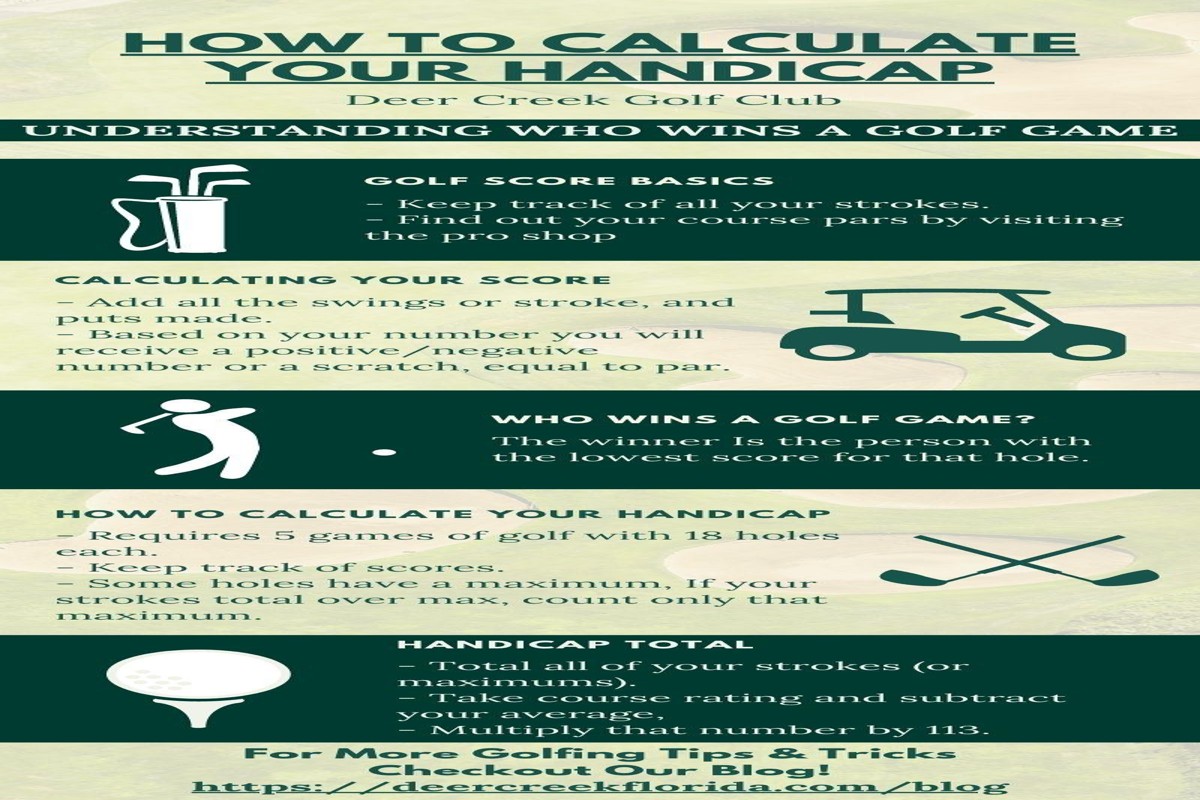
What is a handicap in golf? A handicap is a numerical measure of a golfer’s potential ability, allowing players of varying skill levels to compete fairly against each other. It helps level the playing field in both casual and competitive settings.
For instance, a beginner with a higher handicap can compete against an experienced player with a lower handicap, making the game more enjoyable for everyone involved. This system promotes inclusivity in the sport, encouraging golfers to improve their skills.
A golf handicap is a crucial part of the game. It helps players of different skill levels compete fairly against each other. Understanding what a handicap in golf means can significantly enhance your experience on the course.

The Definition of a Golf Handicap
A golf handicap is a numerical measure of a golfer’s potential ability. It’s designed to level the playing field for players of varying skill levels by allowing them to compete on more equal terms.
The primary purpose of a golf handicap is to enable fair competition. Whether you’re a seasoned pro or just starting, a handicap system allows everyone to play together. You might be a beginner with a handicap of 28, while your friend has a 15. This system helps you both enjoy a competitive round, even if you’re not at the same skill level.
How does it work? Essentially, your handicap reflects the average number of strokes above par that you typically shoot. For example, if you usually score 100 on a par 72 course, your handicap would be around 28. This number is then used to adjust your score during competitions, making it possible for you to compete with lower-handicap players.
In competitions, a golf handicap serves as an equalizer. When players with different handicaps go head-to-head, the player with a higher handicap receives extra strokes, allowing them to compete more effectively. Imagine a match where you have a 20 handicap, and your opponent has a 10. You would get 10 additional strokes to distribute throughout the round, making the game more enjoyable and competitive.
Also, a golf handicap can motivate you to improve. As you work on your game and lower your handicap, you’ll find yourself setting new goals. This journey can be rewarding and help keep your passion for golf alive.
So, if you’re wondering what a handicap in golf is, remember it’s not just a number. It’s a way to bring golfers together, making the game more inclusive and fun for everyone involved.
Understanding how golf handicaps are calculated can seem tricky at first, but it’s pretty straightforward once you break it down. Your handicap helps level the playing field, so you can compete fairly with golfers of different skill levels.

How Golf Handicaps Are Calculated
The calculation of your golf handicap involves a few key components, including your recent scores and the course rating. Knowing how these elements work together lets you understand your own game better.
To calculate your handicap, you start with a basic formula: take your adjusted gross score (AGS), subtract the course rating, and then multiply that difference by 113. Finally, you divide this number by the slope rating of the course. This gives you your “differential,” which is a key part of the handicap calculation.
Now, let’s talk about the course rating. This number reflects the difficulty of a specific course for a scratch golfer. A higher course rating means the course is tougher. When you subtract this from your AGS, you’re essentially measuring how your performance compares to an ideal score under the course’s conditions.
Recent scores play a big role in your handicap as well. The more recent your scores, the more weight they carry in your calculation. Typically, the best 10 out of your last 20 rounds will be used to ensure your handicap accurately reflects your current skill level. This means if you’re improving, your handicap will adjust accordingly.
For example, imagine you played a round at a course with a rating of 72. If you scored an adjusted gross score of 85, the calculation would look like this: 85 – 72 = 13. Then, you multiply 13 by 113, which equals 1,469. If the slope rating for that course is 130, you’d divide 1,469 by 130, giving you a handicap index of 11.31. That’s your number—what you’ll use to compete against others!
Keeping track of your scores and understanding how they impact your handicap can help you set realistic goals for improvement. It’s like having a personal coach in your pocket, guiding your journey on the course!
Golf handicaps can seem complex, but understanding their types can really help you navigate the game better. Whether you’re a newbie or a seasoned player, knowing the different handicaps you might encounter is essential.
Types of Golf Handicaps
Golf handicaps come in various forms, each serving a unique purpose. From the USGA to the World Handicapping System, the types of handicaps can differ based on your location and playing style.
The USGA (United States Golf Association) handicap system is one of the most widely recognized. It’s designed to level the playing field in competitions, allowing golfers of varying skill levels to compete fairly. On the other hand, the World Handicapping System is a newer, global approach that aims to unify the way handicaps are calculated around the world.
Another distinction is between temporary and permanent handicaps. A temporary handicap is often assigned to new players who haven’t yet established a consistent record of scores. For instance, if you’re just starting out, you might receive a temporary handicap based on your initial rounds. Once you’ve played enough rounds, you’ll transition to a permanent handicap that reflects your average performance more accurately.
Handicaps can also adjust depending on the format of play. For example, in a stroke play format, your handicap might be calculated differently than in match play. Understanding these nuances can help you prepare better for various competitions.
Comparing the Different Handicaps
- USGA Handicaps: Primarily used in the U.S., focused on local courses.
- World Handicapping System: Aims for consistency across countries, better for international play.
- Temporary Handicaps: Helpful for newcomers, reflects early performance.
- Permanent Handicaps: Based on multiple rounds, more accurate for experienced players.
When you understand these types of handicaps, you can make informed decisions about your game strategy. Knowing your handicap and how it’s calculated can significantly enhance your experience on the course. So, the next time someone asks, “What is a handicap in golf?” you’ll have a clear answer ready! Don’t hesitate to dive deeper into these aspects as you improve your game.
Having a golf handicap can really elevate your game and experience on the course. It’s not just a number; it’s a valuable tool that brings structure to your play.
The Benefits of Having a Golf Handicap
Maintaining a golf handicap opens up a world of advantages, whether you’re a seasoned pro or just starting out. It enhances your competitive edge, encourages growth, and makes playing with friends even more enjoyable.
First and foremost, a golf handicap enhances competitive play. It levels the playing field, allowing golfers of all skill levels to compete fairly against each other. Imagine you’re playing a weekend round with friends of varying abilities. With handicaps, everyone can contribute equally to the game, making those friendly matches more exciting and engaging.
Another significant benefit is that a golf handicap encourages improvement. When you track your scores and see your handicap change over time, it becomes a tangible measure of your progress. For instance, if you started with a higher handicap and gradually lower it through practice, that’s a clear indicator that you’re getting better. This motivates you to keep hitting the range or practicing your short game.
Social play is another area where having a handicap shines. It fosters camaraderie among friends. You can set up friendly bets or challenges based on handicaps, creating a fun and engaging atmosphere. Plus, it gives you a reason to gather more often—who wouldn’t want to improve their game while spending time with friends?
Finally, understanding what a handicap in golf is can help you appreciate the game even more. It’s a guide, a benchmark that tells you where you stand and what you need to work on. Whether you’re aiming to join a local league or just want to have fun with friends, keeping a handicap can make every round more meaningful.
So, if you haven’t already, consider maintaining a golf handicap. It could change the way you play, challenge you to improve, and deepen your social connections on the course.
Many golfers have a few misconceptions about handicaps that can lead to confusion on the course. Let’s clear up some of the common myths, so you can feel more confident in understanding your game.
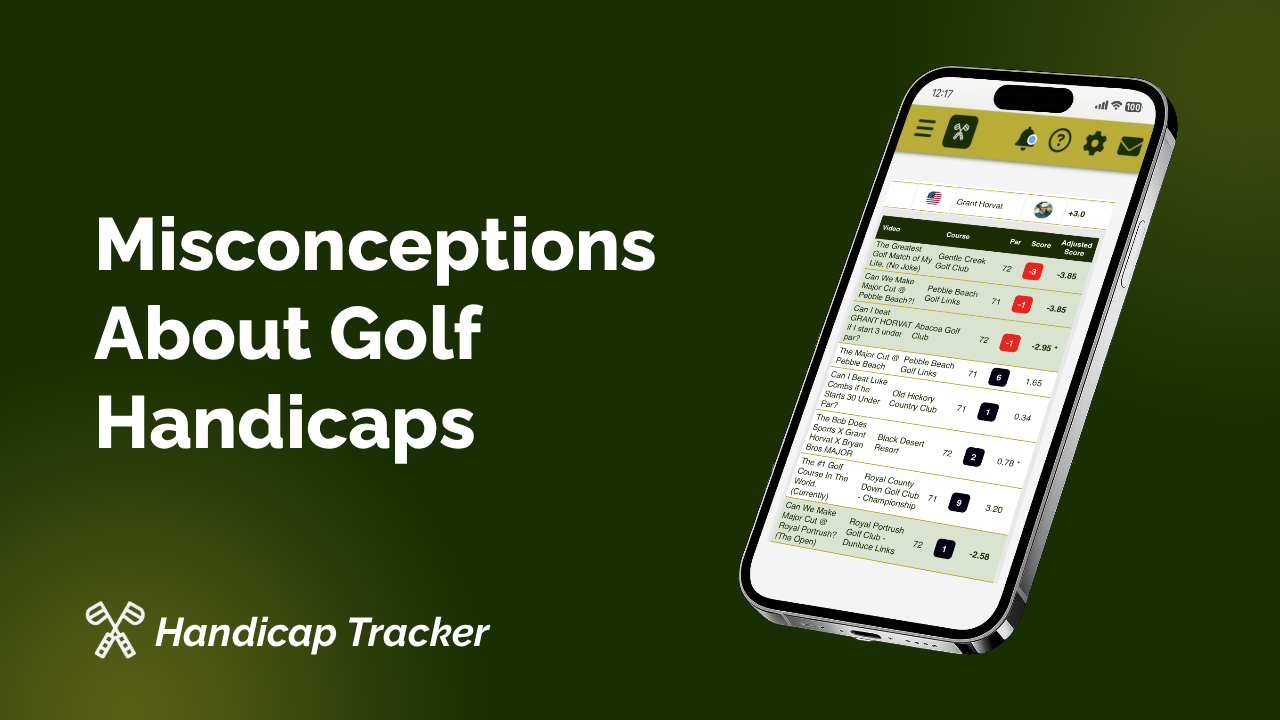
Common Misconceptions About Golf Handicaps
Handicaps are often misunderstood, leading to a lot of myths among players. They’re not just for beginners, the calculation process isn’t that complicated, and they’re definitely not permanent.
One of the biggest myths is that handicaps are only for beginners. While it’s true that new golfers benefit from having a handicap to level the playing field, experienced players use them as well. It allows everyone, regardless of skill level, to compete fairly and enjoyably.
Another common misunderstanding is how handicaps are calculated. Many think it’s a complex formula, but it’s actually based on your recent scores and the difficulty of the courses you play. For example, if you score 80 on a course with a par of 72, that performance will impact your handicap based on the course rating, making the process easier than you might expect.
Lastly, many golfers assume that once you have a handicap, it’s set in stone. That’s not true! Your handicap can—and should—change as your game improves or declines. If you start playing better, your handicap will lower, reflecting your new skill level.
Next time you’re on the course, remember that understanding your handicap can enhance your game. Whether you’re a beginner or a seasoned pro, it’s a useful tool that evolves with your skills. Embrace it as part of your golfing journey, and you’ll see how it makes the game more enjoyable.
Getting and keeping your golf handicap isn’t just for the pros; it’s for anyone looking to improve their game. Let’s break down the steps to obtain a handicap and how to keep it current.
How to Obtain and Maintain Your Golf Handicap
Your golf handicap is a reflection of your playing ability, and obtaining one is easier than you might think. You need to follow a few simple steps to get started and keep everything updated.
First, you’ll need to join a golf club or organization that’s authorized to issue handicaps. Many local clubs participate in systems like the USGA or other governing bodies. Once you’re a member, you can start submitting scores from your rounds.
Tracking your scores is crucial. You should record your scores after every round you play. Most systems require a minimum number of rounds—usually around 20—to establish a reliable handicap. Regularly updating your scores helps ensure your handicap reflects your current skill.
Using Apps and Software for Management
In this digital age, there are plenty of apps and software options that can make managing your handicap a breeze. Applications like Golfshot or 18Birdies allow you to track your scores, analyze your performance, and even calculate your handicap automatically.
- Golfshot – Offers GPS for courses and score tracking.
- 18Birdies – Includes social features to connect with friends.
- USGA’s GHIN – Directly tied to official handicap services.
Imagine you’re out on the course, feeling good about your swing. You just shot a 78 on your home course. After entering that score into your app, you see your handicap drop, reflecting your improvement. That’s the power of keeping your records updated!
To maintain your handicap, make it a habit to log every round you play. The more data you have, the more accurate your handicap will be, making it easier for you to compete fairly with others. Remember, the journey to improving your game starts with understanding what a handicap in golf really means.