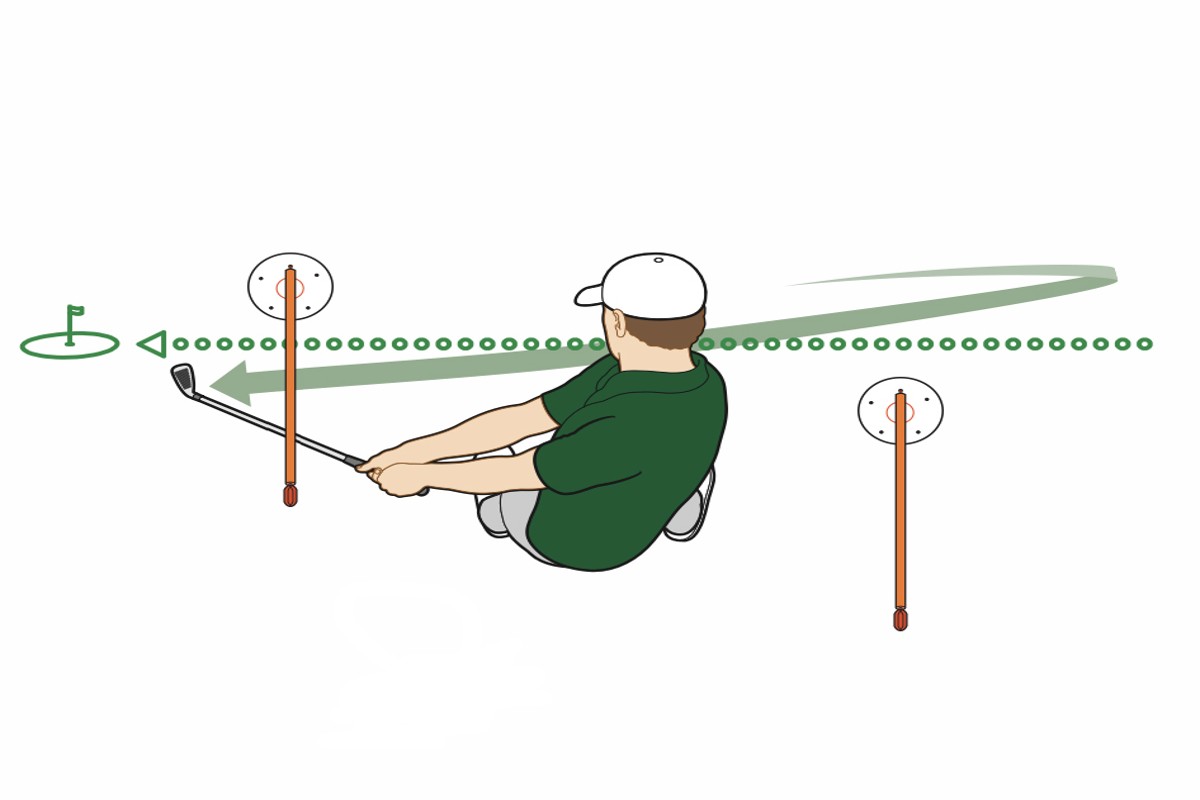
How do you hit a fade in golf? To hit a fade, you need to adjust your grip, aim slightly left, and make a controlled swing that promotes left-to-right spin. Mastering this shot can help you navigate tricky holes and improve your overall game.
Many golfers struggle with straight shots, but learning to fade can add versatility to your play. Picture a narrow fairway where a fade can help you avoid obstacles and land safely on the green.
When you hear golfers talk about their shots, the “fade” is a term that often comes up. So, how do you hit a fade in golf? It’s a useful shot that can help you navigate challenging courses with ease.

Understanding the Fade Shot
A fade is a controlled shot that curves gently from left to right for right-handed golfers. This shot can be a game-changer when you need to avoid obstacles or position your ball perfectly on the green.
Knowing when to use a fade is crucial. You might want to employ this shot when you’re facing a dogleg right hole or trying to dodge trees on the left side of the fairway. It allows you to place the ball more strategically, enhancing your overall game.
There are several advantages to hitting a fade. For starters, it often gives you more control over your ball’s flight path. Unlike a slice, which can be unpredictable, a fade can be consistent and reliable. Additionally, a well-executed fade can help you improve your distance and accuracy.
Imagine you’re playing a course with a tricky right dogleg. You pull out your driver, set up for a fade, and watch as your ball curves gracefully around the trees, landing right in the fairway. That’s the beauty of mastering this shot!
When practicing your fade, focus on your grip and stance. A slightly open clubface at impact can help create that desired curve. Also, aim your body slightly left of your target to encourage the ball to fade back toward it. This setup can make all the difference in your game.
Incorporating a fade into your arsenal can elevate your golfing skills. So, the next time you’re on the course, remember the advantages of this shot and give it a try! You might find it’s the secret weapon you’ve been looking for.
Adjusting your grip is a key step in hitting a fade. A slight tweak can make all the difference, helping you achieve that controlled curve you’re looking for.
Grip Adjustments for a Fade
To hit a fade effectively, you’ll want to adopt a weaker grip. This means your hands will be positioned differently on the club, allowing for a more open clubface at impact.
A weak grip generally means your hands are rotated more to the left on the club (for right-handed golfers). This positioning helps the clubface stay open at impact, promoting that desired left-to-right ball flight.
When adjusting your grip, focus on your hand positioning. Your left hand (for right-handers) should sit more on top of the club rather than wrapping around it. This helps you maintain control over the clubface throughout your swing.
Common Grip Mistakes to Avoid
One common mistake is gripping the club too tightly. Holding on too hard can restrict your wrist movement, which is crucial for a proper fade. Keep your grip pressure light and relaxed.
Another pitfall is not aligning your hands correctly. Ensure that your left thumb points down the shaft and that the “V” formed by your thumb and index finger points toward your right shoulder. If you notice the “V” pointing more toward your chin, your grip is too strong, which can hinder your ability to fade the ball.
Imagine you’re on the course, facing a pin tucked right behind a bunker. You want to land the ball safely, fading it just enough to avoid the hazard. A weak grip and open clubface will help you achieve that perfect shot, landing softly on the green.
Remember, the key to hitting a fade lies in the grip adjustments you make. Practice these tips, and you’ll find yourself confidently drawing that fade when you need it most. So, how do you hit a fade in golf? Start with your grip, and watch your game improve!
Getting the right stance and alignment can make all the difference when you want to hit a fade in golf. With just a few adjustments, you can set yourself up for a successful shot that curves gently to the right (for right-handed golfers). Let’s dive into the specific techniques you need to nail your fade.
Stance and Alignment for a Fade
Proper stance and alignment are essential for executing a fade. You’ll want to position your feet and body in a way that encourages that left-to-right ball flight. By tweaking a few elements, such as foot positioning, target alignment, and body angles, you can enhance your chances of hitting that perfect fade.
First, let’s talk about foot positioning. You should aim to position your lead foot slightly back in your stance. This slight shift helps to open up your body to the target line, which is crucial for hitting a fade. Make sure your feet are shoulder-width apart; this will give you a stable base to make a solid swing.
Next up is target alignment. When you’re aiming for a fade, you’ll want to line up your clubface towards your target. However, your body should be aimed slightly left of that target. This discrepancy between your clubface and body alignment encourages the ball to curve to the right after it leaves the clubface. Think of it like a road map: your clubface is taking the direct route while your body guides the detour.
Finally, let’s adjust your body angle. To hit a fade, slightly tilt your shoulders to the right. This tilt will help you swing along the desired path, promoting that left-to-right ball flight. When you make your swing, focus on keeping your hands ahead of the clubhead at impact, as this will help achieve the necessary spin for a fade.
Imagine you’re on the course, and the hole bends to the right. You align your feet and body as described, then send the ball soaring. It starts straight, then effortlessly curves right, landing exactly where you aimed. That’s the power of proper stance and alignment when you ask, “How do you hit a fade in golf?”
Remember, practice makes perfect. The more you work on these stance and alignment techniques, the more consistent your fades will become. Don’t hesitate to experiment a little until you find the setup that feels just right for you.
Hitting a fade in golf can be a game-changer, giving you more control over your shots and helping you navigate tricky course layouts. Understanding the swing mechanics is crucial to mastering this technique. Let’s dive into how you can adjust your swing to achieve that perfect fade.
Swing Mechanics for a Fade
Achieving a fade isn’t just about the grip or stance; it’s all about how you execute your swing. The backswing, follow-through, and balance are all vital components that come together to create that desirable left-to-right ball flight.
Starting with the backswing, you want to focus on a smooth, controlled motion. As you take the club back, think about keeping your arms relaxed while allowing your shoulders to rotate fully. This creates a solid base for your downswing. If you rush this part, you might lose the necessary angles to produce a fade.
Follow-Through Techniques
Your follow-through is just as important as your backswing. To hit a fade, you should aim to finish your swing with your body facing the target rather than your club. This position helps to ensure that the clubface remains open at impact, creating that left-to-right spin. A smooth follow-through also helps maintain the rhythm of your swing.
Another key aspect of follow-through is your wrist action. You want to avoid flipping your wrists at the last moment. Instead, focus on a steady release as you complete your swing. This consistency will help you maintain control and accuracy.
Maintaining Balance During the Swing
Balance is essential when trying to hit a fade. If you’re off-balance, your swing will be compromised, and the ball won’t go where you want it to. Make sure your weight shifts smoothly from your back foot to your front foot during the swing. A good drill is to practice swinging while standing on one leg. This will help you develop better balance and control.
Imagine you’re on the course, facing a dogleg right hole. Knowing how to hit a fade in golf can help you navigate around the trees and land the ball safely on the green. With a solid backswing, a controlled follow-through, and good balance, you’ll find that hitting a fade becomes second nature.
To hit a fade consistently, you need to practice specific drills that will help you develop the necessary skills. These exercises will not only enhance your technique but also boost your confidence on the course.
Drills to Practice Hitting a Fade
Incorporating fade-specific drills into your practice routine can make a significant difference. Focus on the mechanics that create the fade while also ensuring your alignment and setup are correct.
One effective drill involves using alignment sticks. Set up two sticks on the ground: one pointing toward your target and the other angled left of that line. This setup helps you visualize the path you need your club to travel in order to create the fade. As you practice, aim to swing along the line of the first stick while ensuring the clubface points toward the target. This will help you understand how to manipulate the clubface and swing path to achieve that desired left-to-right ball flight.
Another useful tip is to get feedback while you’re practicing. Whether it’s from a coach or a mirror, seeing your swing can provide insights you might miss otherwise. A coach can point out any swing flaws or alignment issues, while a mirror allows you to see your posture and setup from a different angle. You might be surprised how a small adjustment can lead to a more consistent fade.
Real-World Example
Imagine you’re on the driving range, and you’ve set up your alignment sticks. Initially, you might struggle to hit the ball with the desired fade. But after a few attempts and some feedback from a friend watching you, you adjust your grip slightly and change your stance. Suddenly, you see that ball curving just the way you want. That’s the power of practice and feedback!
Don’t forget to focus on your grip pressure and body rotation as you practice these drills. A relaxed grip allows for better clubface control, while proper body rotation helps you to follow through effectively. By continually practicing and refining your technique, you’ll be well on your way to mastering how do you hit a fade in golf? Keep at it, and you’ll see improvements in no time!
When it comes to mastering the fade in golf, many golfers get tripped up by common mistakes. Recognizing and addressing these pitfalls is key to improving your game.

Common Mistakes When Trying to Fade
Hitting a fade can be tricky, and it’s easy to fall into certain traps. Understanding these common mistakes will help you refine your technique and hit that perfect fade more consistently.
One common mistake is overcompensating with your aim. Many golfers think they need to aim way left to get the fade to curve back to the target. This can lead to a shot that starts way off line, making your fade even more unpredictable. Instead, aim just slightly left of your target to give yourself room for the ball to curve back.
Another issue is improper grip. If you’re gripping the club too tightly, it can restrict your wrist movement and lead to a more closed clubface at impact. This will not help you achieve that desired fade. Try a lighter grip, allowing for a more natural release through the swing.
Lastly, swinging too hard or fast can ruin your chances of hitting a fade. When you try to muscle the shot, you risk losing control and accuracy. It’s better to focus on a smooth, controlled swing rather than trying to blast the ball. Think about how a professional golfer takes their time, maintaining rhythm and balance throughout their swing.
For example, picture a golfer on the course, confidently aiming slightly left, using a light grip, and swinging with smooth precision. That golfer is more likely to hit a fade that lands perfectly on the green, while someone swinging too hard and compensating wildly with their aim may end up in the rough.
Remember, practice makes perfect. The next time you’re on the range, focus on correcting these mistakes. You’ll be well on your way to mastering the art of hitting a fade in golf.