
What is the perfect golf swing? It is a fluid, repeatable motion that maximizes power and accuracy while minimizing errors, crucial for improving your game. A well-executed swing can significantly lower your scores and enhance your enjoyment on the course.
Imagine standing on the tee, feeling confident as you prepare to drive the ball down the fairway. Mastering the perfect swing not only boosts your performance but also transforms your overall golfing experience.
Mastering the perfect golf swing starts with understanding its basic mechanics. Focusing on your grip, stance, and the flow of your swing can significantly improve your game.

Understanding the Fundamentals of a Golf Swing
The foundation of a successful golf swing lies in its fundamental mechanics. By paying attention to your grip, stance, and swing dynamics, you can enhance your performance on the course. Let’s break down these essential components.
Your grip and stance are the first steps toward a consistent swing. A proper grip helps you control the clubface, while a balanced stance sets you up for an effective swing path. Think of it like this: if you’re trying to shoot a basketball, you wouldn’t stand awkwardly. The same principle applies to golf.
Grip and Stance Importance
When gripping the club, your hands should work together to provide a solid hold without excessive tension. The most common grips are the overlapping grip and the interlocking grip, so choose what feels comfortable for you. As for your stance, feet should be shoulder-width apart, with your knees slightly flexed. This position allows for better stability and movement.
Now, let’s talk about the backswing. This phase is crucial as it sets the tone for your downswing. During your backswing, your shoulders should turn while your arms lift the club. It’s a fluid motion; think of it as winding up a spring. If you do it right, your body will naturally want to release that energy on the downswing.
Backswing Mechanics
As you take the club back, focus on maintaining a steady head position. Many golfers make the mistake of lifting their head too soon, which can lead to inconsistent shots. Keep your eyes on the ball until your club reaches its peak in the backswing. This will help ensure you have a solid base for the next phase of the swing.
The follow-through is just as important as the backswing. This phase helps you maintain balance and ensures that you’ve transferred energy effectively through the swing. After hitting the ball, your body should naturally continue the motion, with your weight shifting to your front foot. A good follow-through can make a huge difference in the distance and accuracy of your shots.
Follow-Through Essentials
Imagine you’ve just made a perfect shot. Your body is facing the target, and your club is high above your shoulder. This is the ideal follow-through position. It indicates that you’ve executed the swing correctly and maintained your balance throughout the motion.
Next time you’re on the course, pay close attention to these fundamentals. Practice your grip, stance, backswing, and follow-through consistently. Doing so will help you get closer to answering the question, “What is the perfect golf swing?” and could lead to improved scores on your rounds.
When you think about mastering the perfect golf swing, several key components come to mind. Understanding these elements can drastically improve your game and help you hit that elusive sweet spot.
Key Elements of the Perfect Golf Swing
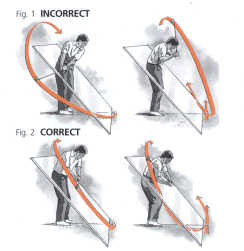
The perfect golf swing isn’t just about brute force; it’s a blend of technique, balance, and finesse. Focusing on body alignment, weight transfer, and clubface control will put you on the path to achieving that ideal swing.
First, let’s talk about body alignment. Your feet, hips, and shoulders should all be parallel to your target line. A common mistake is misaligning your body, which can lead to inaccurate shots. Stand behind the ball and visualize a line extending from the ball to your target. This mental image will help you set up correctly every time.
Next up is weight transfer. As you swing, you want to shift your weight from your back foot to your front foot. This transition is crucial for generating power and maintaining balance. Picture yourself on the fairway: as you start your downswing, feel your weight move forward, allowing your hips to lead the charge. This movement not only adds distance but also ensures a more consistent strike.
Clubface Control
Finally, let’s dive into clubface control. The angle of your clubface at impact can make or break your shot. If it’s open or closed, you won’t hit the ball where you intend. Practice hitting shots with different clubface angles to see how it affects the ball’s flight. This understanding will help you adjust your grip and stance for better accuracy.
One practical tip? Grab a friend and take turns filming each other’s swings. Review the footage together to spot any misalignments or weight transfer issues. You might be surprised at what you see—and correcting these small details can lead to significant improvements in your game.
Improving your golf swing can be a game-changer, but watch out for common mistakes that can throw you off your game. Identifying and correcting these errors will bring you closer to mastering the perfect golf swing.
Common Mistakes to Avoid in Your Swing
Even experienced golfers can fall into bad habits that hinder their swing. By being aware of these common mistakes, you can refine your technique and make your game more enjoyable.
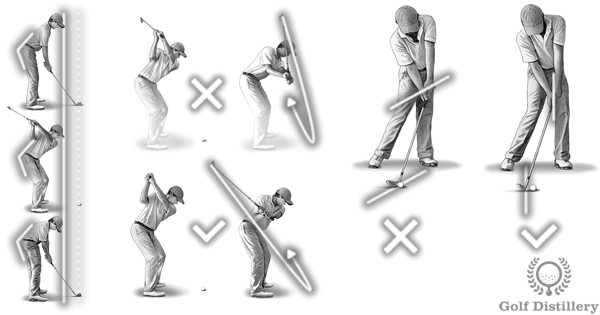
One of the biggest pitfalls is over-swinging. Many golfers think that a harder swing means a longer shot, but that’s not always true. Swinging too hard can lead to a loss of control and accuracy. You might find yourself slicing or hooking the ball instead of hitting straight down the fairway.
Poor posture is another frequent mistake. If you’re slouching or standing too far from the ball, it can throw off your entire swing. Good posture is about balance and alignment. Imagine a scenario where you’re ready to take that perfect shot, but you realize your back is hunched. That slight misalignment can make a huge difference in the outcome.
Lastly, inconsistent timing can ruin even the best setup. Timing is crucial for a smooth swing. If you rush through your backswing or follow-through, you might end up with a less-than-ideal strike on the ball. Think of it like dancing; you need to find that rhythm to make it work!
One practical tip? Focus on your breathing. Take a deep breath before you swing to help steady your nerves and maintain a consistent rhythm. This simple technique can help you avoid over-swinging, keep your posture in check, and sync your timing, bringing you closer to answering the question: What is the perfect golf swing?
Improving your golf swing isn’t just about hitting the driving range. With the right drills, you can refine your technique and feel more confident on the course.

Drills to Perfect Your Golf Swing
Here are some effective drills that can help you master your swing. Each focuses on a different aspect of your technique, ensuring a well-rounded improvement.
One of the simplest yet most effective drills is practicing slow-motion swings. This involves taking your full swing but at a much slower pace. By doing this, you can really focus on your form and mechanics without the rush of a regular swing. You’ll notice where your grip, stance, or body rotation might need adjustments. Try it in your backyard or at the range where you can take your time.
Next, let’s talk about impact position drills. This drill is all about getting your body into the correct position at the moment of impact. Set up a mirror or use video to check your alignment and posture. You want your hips, shoulders, and arms to all be in sync. Practicing this will help you hit the ball more consistently and with greater power.
Finally, swing path exercises are crucial for understanding the trajectory of your shot. Use alignment sticks or even clubs to create a visual guide on the ground. This will help you see the correct path your club should take during your swing. A proper swing path is key to answering the question, “What is the perfect golf swing?” and can lead to better accuracy and distance.
Remember, practice makes perfect. Try to incorporate these drills into your routine regularly. You’ll notice improvements in your swing mechanics and overall performance on the course before you know it.
When it comes to perfecting your golf swing, mental focus plays a pivotal role. Your mind can be just as important as your technique, so getting into the right headspace is crucial for success on the course.

The Role of Mental Focus in Achieving a Perfect Swing
Having a clear mental approach can significantly enhance your swing performance. When you’re mentally prepared, you can execute your physical skills more effectively and consistently.
One effective method to sharpen your mental focus is visualization. Before you take your shot, try to picture the perfect swing in your mind. Imagine every detail, from your stance to the follow-through. This technique not only helps in building confidence but also primes your body to replicate that mental image on the course. For example, a golfer might visualize a successful shot soaring over water, landing softly on the green. This kind of mental rehearsal can make a real difference.
Establishing a routine can also be a game-changer. Great golfers often have a pre-shot routine that helps them get into the right mindset. This could involve a few practice swings, taking a deep breath, or even a specific way of aligning their body. A consistent routine not only calms your nerves but also provides a familiar structure that can help you focus on what you’re about to do.
Managing stress is another vital aspect of maintaining mental focus. Golf can be frustrating, especially when things aren’t going your way. Finding strategies to keep your stress levels in check is essential. Techniques like deep breathing, positive self-talk, or even short breaks can help you stay calm and collected. Remember, a relaxed mind leads to a more fluid swing.
As you work on your physical skills, don’t forget about your mental game. Incorporating these mental preparation techniques can elevate your performance and help you inch closer to answering the question, “What is the perfect golf swing?” So next time you’re on the course, take a moment to focus your mind, and you might just surprise yourself with how it transforms your game.
Refining your golf swing takes more than just practice; it requires a strategic approach. Advanced techniques like video analysis, professional coaching, and swing feedback tools can help elevate your performance on the course.

Advanced Techniques for Refining Your Swing
These advanced techniques are game-changers for anyone serious about improving their golf swing. By leveraging technology and expert insight, you can identify weaknesses and make targeted improvements.
One of the most effective tools at your disposal is video analysis. Recording your swing allows you to see exactly what’s happening in real time. You might notice that your stance is slightly off or that your follow-through isn’t as smooth as it could be. This visual feedback is invaluable for making precise adjustments.
Another great option is to seek out professional coaching. A coach can provide personalized guidance based on your unique swing mechanics. Imagine working with someone who can pinpoint the small changes that make a big difference. They’ll help you understand what is the perfect golf swing for your body type and skill level.
Additionally, swing feedback tools can complement both video analysis and coaching. Devices like swing analyzers or apps that track your performance provide real-time data. They can measure your swing speed, angle, and even your tempo, offering insights that might not be immediately obvious. This data-driven approach can dramatically enhance your practice sessions.
So, what’s the takeaway? Invest some time in these advanced methods. The combination of technology and expert advice will not only answer the question, “What is the perfect golf swing?” but also help you achieve it. With the right tools and support, you can elevate your game to new heights.