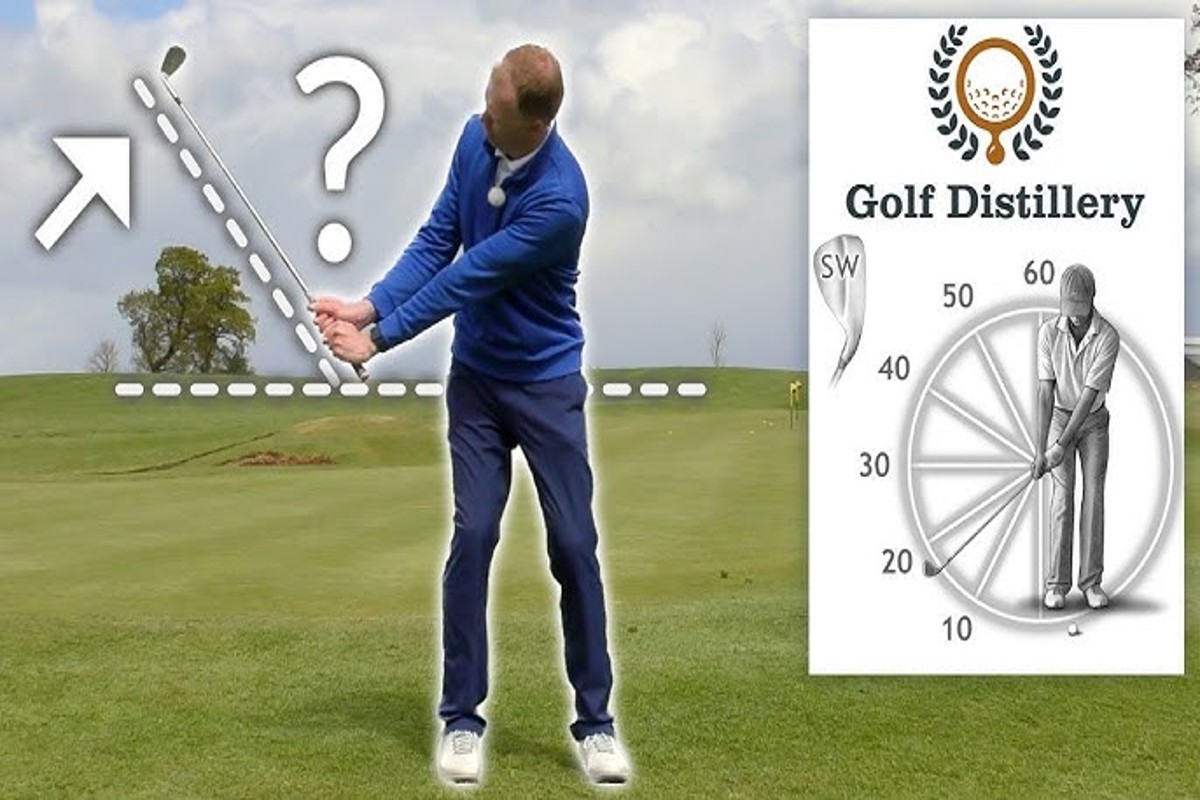
How do you control distance in golf shots? It involves a combination of club selection, swing mechanics, and environmental factors to achieve precise distances. Mastering this skill is crucial for lowering your scores and improving your overall game.
For instance, adjusting your stance and grip can significantly impact the distance a shot travels. Understanding how to tailor these elements to different situations will help you become a more consistent golfer.
Choosing the right club is crucial for controlling the distance of your golf shots. Understanding how different clubs can affect your shot distance can make a world of difference on the course.

Understanding Club Selection for Distance Control
Your club selection directly impacts how far your ball will travel. By matching the type of club to your distance needs, you can improve your accuracy and consistency on the course.
First, consider the type of club you need for the distance you’re aiming for. For example, if you’re facing a long par 5, you might opt for a driver to maximize distance. On the flip side, for a short approach shot, a wedge or an 8-iron might be your best bet.
Loft and shaft length also play significant roles in your shot distance. Clubs with higher lofts, like wedges, will provide more vertical lift but less distance. Conversely, lower lofts found in drivers or 3-woods create longer, flatter shots. Pay attention to these details to fine-tune your distance control.
Knowing your personal distance averages is key to effective club selection. Every golfer has a unique range with each club. For instance, if you know you generally hit your 7-iron about 150 yards, you can confidently choose that club for a shot requiring that distance. Regular practice will help you dial in these averages.
As you gain experience, you’ll also learn how different conditions—like wind and terrain—affect your shots. Maybe you find that you need an extra club on windy days or when hitting uphill. Each round will teach you something new about your distances and club choices.
Next time you’re on the course, take a moment to evaluate the distance you need and the clubs in your bag. By aligning your club selection with your distance goals, you’ll start to see improvements in your game. Remember, knowing how do you control distance in golf shots? starts with the right club in hand.
Mastering distance control in your golf shots starts with understanding how swing mechanics play a crucial role. By refining your technique, you can improve your consistency and accuracy on the course.

The Role of Swing Mechanics in Distance Control
Your swing mechanics directly affect how far your ball travels. Focusing on the right elements can help you control distance better and make your shots more predictable.
First, let’s talk about swing tempo and rhythm. A smooth, steady swing allows for better energy transfer to the ball. If you rush your swing, you’ll likely end up with inconsistent distance. Take a moment to find a rhythm that feels natural to you. Think of it like a metronome—consistent and steady beats will result in more controlled shots.
Next, your follow-through technique is equally important. A complete follow-through can help ensure that you’re utilizing your full swing potential. If you stop your swing short, you might not generate the power needed for longer shots. Try to visualize your follow-through as an extension of your swing; it should feel fluid and complete.
Engaging your core muscles is another key element. Your core acts as the powerhouse of your swing, helping to stabilize your body and generate force. When you engage your core, you’ll find you can maintain your balance better and create a more powerful swing. Imagine yourself swinging through the ball, with your core driving the motion—this can lead to impressive distance control.
For example, picture yourself on the course, facing a long par 3. You take a deep breath, feel your rhythm, focus on a full follow-through, and engage your core. When you strike the ball, you can see it sailing toward the green, landing exactly where you aimed. That’s the kind of distance control you want!
Practice these elements consistently, and you’ll find yourself answering the question, “How do you control distance in golf shots?” with ease. Your swing mechanics are your best allies in mastering distance control.
When you’re out on the golf course, several environmental factors can affect how far your shots travel. Understanding these elements helps you master distance control in golf shots and improve your overall game.

Environmental Factors Impacting Shot Distance
The weather and course conditions can dramatically influence your shot distance. Whether it’s the wind at your back or a steep incline, these factors can change how you approach each swing.
Wind direction and strength are perhaps the most immediate concerns. A strong headwind can significantly reduce your shot distance, while a tailwind can give you that extra yardage. For example, if you’re hitting a drive on a breezy day, you might want to club up to compensate for that wind resistance. Conversely, if the wind’s at your back, you could potentially hit a shorter club and still reach the green.
Altitude and temperature also play key roles in shot distance. At higher altitudes, the air is thinner, which means less resistance against your ball. This can lead to longer shots. For instance, if you’re playing in Denver, where the elevation is high, you might notice that your drives travel farther than they do at sea level. On the flip side, hot weather can also affect your golf ball. As temperatures rise, the ball can expand, leading to more distance as well.
Terrain changes, like elevation and slope, can impact your shots too. Hitting from an elevated tee box down to a lower fairway will generally give you more distance. But be careful with uphill shots; they typically require more power to reach the same distance. If you’re faced with a downhill lie, you might find yourself overshooting, so adjust your stance and club choice accordingly.
Keep in mind that these environmental factors can work together in surprising ways. A strong wind combined with a high altitude can lead to distances you’ve never before experienced. Always be aware of your surroundings and adjust your strategy based on what you see and feel.
Next time you ask yourself, “How do you control distance in golf shots?” consider the weather and course conditions before making your swing. Adapting to these factors can help you gain precision and consistency in your game.
Improving your distance control in golf shots takes practice, but the right drills can make all the difference. With targeted exercises, you’ll quickly learn how to manage your shot distances with confidence.

Using Practice Drills to Enhance Distance Control
Incorporating specific drills into your routine can help you gain better control over the distances of your golf shots. Here are some effective ways to sharpen these skills.
First up is target practice with different clubs. Set up various targets at different distances on the range, and use each club to hit those targets. Start with your pitching wedge and work your way up to your driver. This will help you understand how far you can hit each club and get a feel for the distance you need for specific shots.
Next, try distance estimation exercises. This involves guessing the yardage to your target before measuring it. After you hit your shot, check the actual distance. This practice helps you develop a better intuition for how far you hit each club. You’ll find that after several rounds of this exercise, you’ll start to get a good sense of your distances without needing to measure.
Swing Consistency Drills
Another vital area is swing consistency. You can practice this by hitting 10 shots with the same club, focusing on making your swing as identical as possible each time. Take note of the distances and see how closely they match up. This drill helps you understand how slight changes in your swing can affect your distance.
For a real-world example, imagine you’re on the course facing a 150-yard shot to the green. By practicing the drills mentioned above, you’ll know exactly which club to use and how to adjust your swing for that perfect distance. With consistent practice, you won’t just be guessing anymore; you’ll have the skills to control your shots with precision.
Remember, the key to mastering distance control is repetition. The more you practice these drills, the better you’ll become at answering the question, “How do you control distance in golf shots?” So, grab your clubs and get to work!
Mastering distance control in golf isn’t just about technique; it’s also a mental game. By honing your mindset, you can make more consistent shots that land exactly where you want them.
Mental Strategies for Consistent Distance Control
Your mental approach can significantly impact how well you control your shot distance. When you focus on the right strategies, you’ll find it easier to gauge how far you need to hit the ball.
One effective technique is visualization. Before you take your shot, picture the ball’s trajectory and where it will land. Imagine the exact distance you want to achieve. This mental imagery can create a clearer connection between your mind and body, improving your actual performance.
Next, focus on establishing a solid routine. A consistent pre-shot process helps you settle your nerves and enhances your concentration. Whether it’s a specific number of practice swings or a calming breath, find what works for you and stick to it. This routine sets the stage for executing your shot with confidence.
Managing Pressure in Critical Situations
Another crucial aspect is managing pressure, especially during those high-stakes moments, like a crucial putt or a challenging approach shot. The key is to stay present and not let your mind wander to the potential consequences of the shot. Instead, remind yourself of past successes and trust your preparation.
Let’s say you’re on the 18th hole, and you need to nail a 150-yard shot to secure your win. Instead of fixating on the outcome, focus on your routine. Visualize your swing as you step up to the ball, and remember the consistent practice you’ve put in. This can help you execute the shot just like you’ve done countless times before.
Ultimately, mastering how do you control distance in golf shots involves a blend of mental clarity and emotional stability. By developing visualization techniques, sticking to a solid routine, and managing pressure effectively, you’ll set yourself up for success on the course.
Analyzing your shot data is key to mastering distance control in golf. By leveraging technology and regular reviews, you can refine your strategies and improve your game.
Analyzing Shot Data for Better Distance Management
Using data analysis can significantly enhance how you manage distance on the course. With the right tools, you can track your performance and make informed decisions about your shots.
First, consider utilizing technology to track your shot distances. Devices like GPS rangefinders or launch monitors provide real-time feedback on how far each of your clubs hits the ball. This data is invaluable; it allows you to understand your strengths and weaknesses better.
Next, reviewing your performance stats regularly is crucial. After each round, take some time to go over your shot data. Look for patterns in your distances and identify any discrepancies. For example, if you notice that your 7-iron consistently falls short of your target, it might be time to adjust your club selection or swing technique.
Adjusting your strategies based on these insights can lead to significant improvements. If your data shows that you hit your driver longer on certain holes, plan your approach accordingly. Knowing how do you control distance in golf shots? starts with understanding your unique game.
Imagine you’re on the 12th hole, facing a tricky approach shot. You check your data and see that you usually hit a 9-iron around 140 yards, but today, you’re averaging 150. Armed with this knowledge, you confidently select a pitching wedge instead, leading to a perfect shot onto the green.
Ultimately, the key to effective distance management lies in being proactive with your data. Don’t just collect numbers; analyze and apply them to refine your game. You’ll find yourself hitting more accurate shots and lowering your scores in no time.