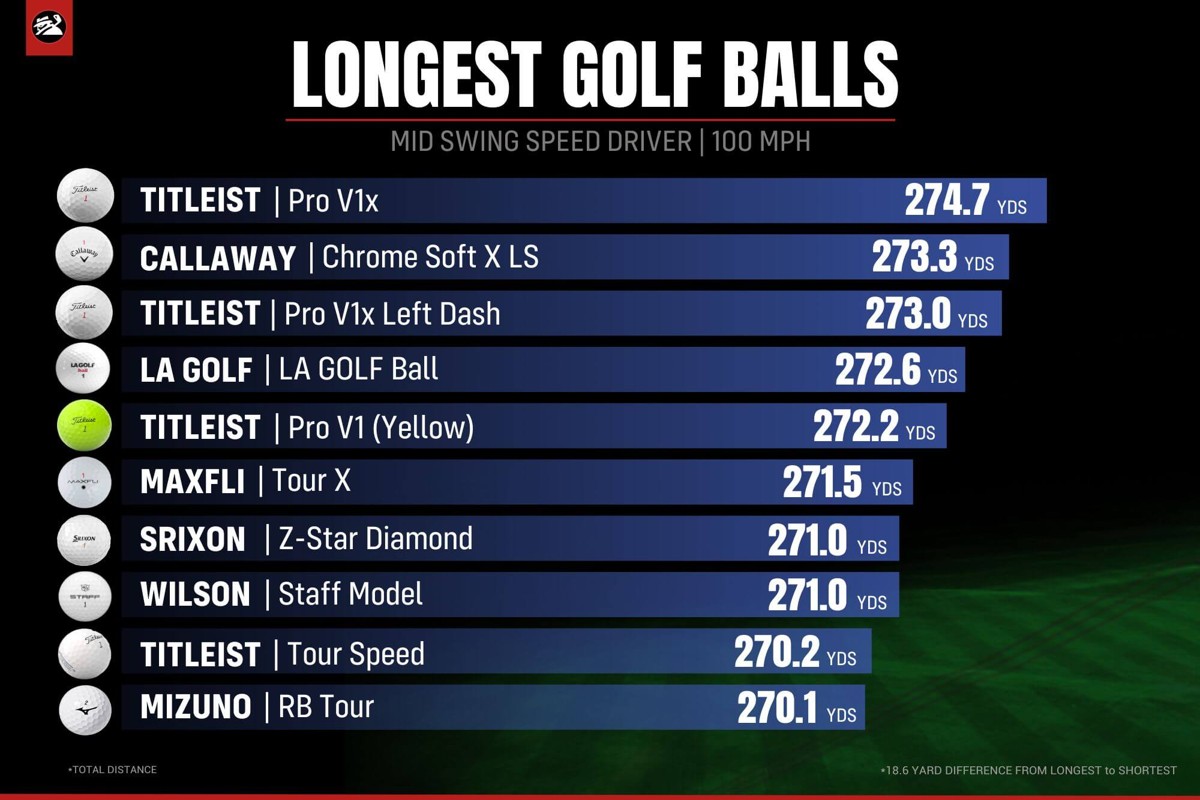
What is the best golf ball for distance? The best golf ball for distance combines low spin rates and high launch to maximize your yardage off the tee. Choosing the right ball can significantly impact your performance, helping you hit longer drives and improve your overall game.
For golfers looking to enhance their distance, understanding how different golf balls perform can make a big difference. Many players find that specific brands and models can provide the extra yardage needed to gain an advantage on the course.
Choosing the right golf ball can significantly impact your distance on the course. Understanding how a golf ball’s construction affects its performance helps you make a better choice.
Understanding Golf Ball Construction
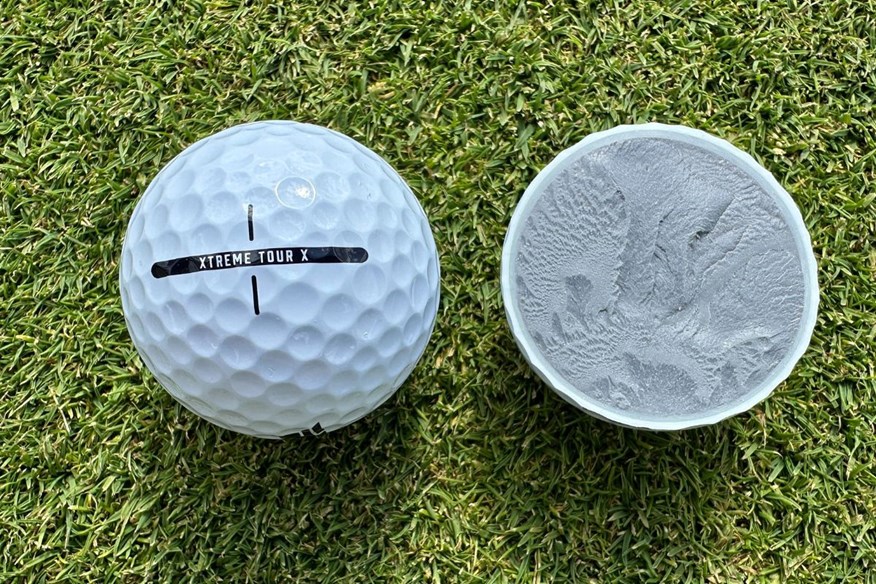
The construction of a golf ball plays a pivotal role in how far you can hit it. Different materials and designs influence key aspects like energy transfer, spin, and aerodynamics, all of which contribute to distance.
The core of a golf ball is where the magic begins. Made from materials like rubber or foam, the core’s composition affects energy transfer when you strike the ball. A softer core can compress more upon impact, allowing for greater energy release, which translates into more distance. For example, if you’re using a ball with a firmer core, you might notice less overall distance compared to one with a softer core.
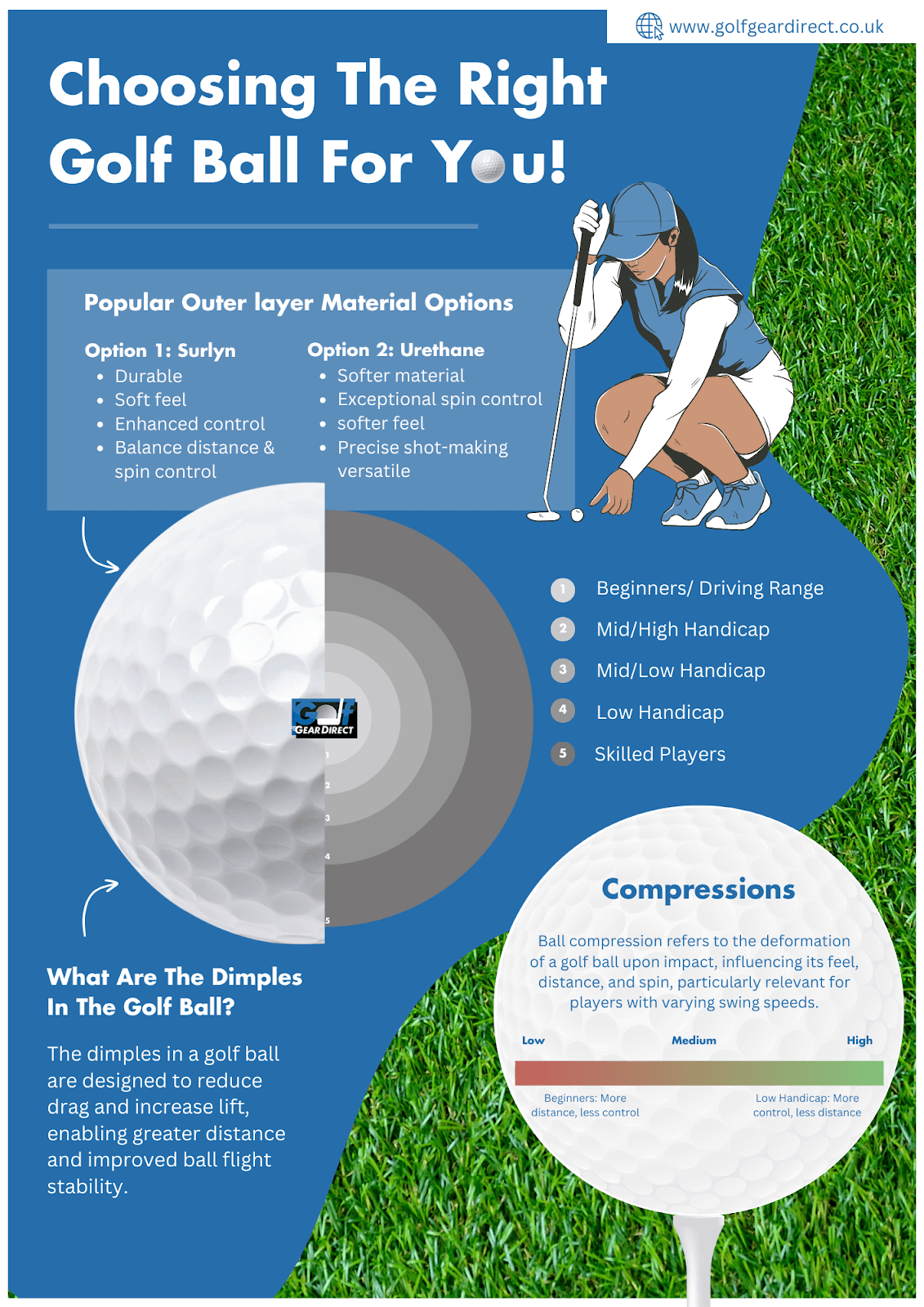
Next up is the cover type. Most golf balls feature either a urethane or Surlyn cover. Urethane covers are softer and provide more spin, which can help you control your shots around the green. On the other hand, Surlyn covers are more durable and promote less spin, making them ideal for distance. If you’re looking for the best golf ball for distance, a ball with a Surlyn cover might be your best bet.
Don’t overlook the dimples! The dimple pattern on a golf ball is crucial for its aerodynamics. Dimples reduce drag and allow the ball to stay in the air longer, which can help maximize distance. A well-designed dimple pattern can enhance lift and stability during flight, giving you those extra yards you’re aiming for on the course.
Here’s a practical tip: When testing out different golf balls, pay attention to how they feel during your swing and how far they fly. Your swing speed and style will also impact how the ball performs. So, experiment with core materials, cover types, and dimple patterns to find the perfect fit for your game.
When it comes to maximizing your distance on the golf course, choosing the right ball is crucial. Let’s compare some of the top golf balls known for their impressive distance capabilities.

Top Golf Balls for Distance: A Comparison
Several golf balls stand out in the distance department, each offering unique features to help you get those extra yards. Here’s a closer look at three popular options that can boost your game.
Titleist Velocity is a favorite among golfers looking for speed and distance. Its advanced core design helps generate high ball speeds, making it ideal for players with slower swing speeds. You’ll appreciate how it maintains a solid feel even on impact, giving you confidence in your long shots.
Callaway SuperSoft is another excellent choice. This ball features an ultra-low compression core that maximizes distance while providing a soft feel. If you’re someone who values both distance and comfort, this ball could be your go-to. Imagine hitting a long drive that feels as smooth as butter—SuperSoft makes that a reality.
TaylorMade Distance+ is designed specifically for golfers aiming to get the most out of their drives. Its aerodynamic design reduces drag, allowing the ball to cut through the air with ease. You’ll likely notice an increase in your overall distance, making it a solid option if you want to add yards to your game.
So, what is the best golf ball for distance? It really depends on your personal preference and playing style. Consider trying a few to see which one performs best for you.
Choosing the right golf ball can make a significant difference in your game, especially when it comes to maximizing distance. There are several factors to consider that can affect your performance on the course.
Factors to Consider When Choosing a Golf Ball
When selecting a golf ball designed for distance, you’ll want to keep a few key aspects in mind. These include your swing speed, skill level, and the weather conditions you typically play in.
First up is swing speed. If you’re a player with a faster swing speed, you’ll generally benefit from a firmer ball that can help you achieve greater distance. Conversely, if your swing speed is on the slower side, a softer ball may suit you better since it can provide more compression and help maximize your distance.
Next, consider your skill level. Beginners might find more success with a three-piece ball that offers forgiveness and distance, while more experienced players may want to try a four- or five-piece ball for enhanced control and spin. The right ball can help you improve your game based on where you are in your skill development.
Don’t forget about weather conditions! Wind, humidity, and temperature can all impact how far your ball travels. For example, playing in windy conditions might require a lower compression ball to cut through the air more efficiently. If you often play in cooler temperatures, a softer ball can help maintain distance as it retains its compression better.
Ultimately, experimenting with different golf balls can help you determine what works best for your game. So next time you’re out on the course, pay attention to how different balls perform under various conditions. You might just discover the answer to the question, “What is the best golf ball for distance?” for your unique playing style.
Testing golf balls for distance can be both fun and revealing. By using a few effective methods, you can determine which ball truly gives you the distance you’re after.
How to Test Golf Balls for Distance
Whether you’re a seasoned pro or just getting started, knowing how to test golf balls can save you strokes on the course. Here are some straightforward methods to help you find out what is the best golf ball for distance.
One of the most reliable ways to test golf balls is through launch monitor analysis. These high-tech devices measure various metrics, like ball speed, launch angle, and spin rate. By hitting a few different balls with a consistent swing, you can see which one delivers the best performance. Many golf stores and courses have launch monitors available for use, making it easy to get accurate data.
On-course testing is another effective method. This involves taking different golf balls out during a round and paying attention to how each performs in real-world conditions. Make note of how far each ball travels, especially with your driver. You might be surprised at how different balls react to various lies and weather conditions.
Comparative distance trials are also useful. Set up a controlled environment, like a driving range, and hit multiple balls from the same spot. Measure how far each ball travels and compare the results. This side-by-side testing can help you spot trends and identify the ball that consistently performs best.
For example, imagine you’re at the range testing three different golf balls. You hit each one five times, noting the distance on a launch monitor. You find that one ball consistently outdistances the others by an average of 10 yards. That’s the kind of clear data that can guide your choice.
In the end, testing golf balls for distance is all about finding what works best for you. Be patient, and don’t hesitate to try a few different options before settling on your ideal ball. After all, the right golf ball can make a significant difference in your game!
Maximizing your golf ball distance isn’t just about choosing the right ball. It involves a combination of proper technique and equipment maintenance. Here are some expert tips to help you get the most out of your game.
Expert Tips for Maximizing Distance
To truly enhance your distance on the course, focus on the fundamentals of your setup and swing. The right tee height, swing mechanics, and maintaining your equipment can make a significant difference.
First, let’s talk about tee height. Many players underestimate how crucial this is. When your tee is set at the right height, it allows your club to make optimal contact with the ball. A good rule of thumb is to tee the ball so that the top of the ball is even with the top edge of your driver’s face. This position helps you strike the ball on the upswing, maximizing your launch angle and distance.
Next up is your swing mechanics. You might have the best golf ball for distance, but if your swing isn’t optimized, you won’t see the results. Focus on a smooth, controlled swing. Try to maintain a consistent tempo and follow through fully. Practicing with a coach or using video analysis can help identify any flaws in your swing that might be holding you back. For instance, a golfer who recently improved their distance by 20 yards found that a more pronounced hip turn in their backswing made all the difference.
Finally, don’t forget to maintain your equipment. Regularly check your golf balls for wear and tear—scuffs or cuts can significantly affect performance. Additionally, make sure your driver is suited to your swing speed. If your equipment is outdated, consider upgrading to newer models that are engineered for maximum distance.
By implementing these expert tips, you’ll not only enhance your distance but also enjoy a more satisfying golf experience. Remember, even the best golf ball for distance won’t help if your technique isn’t on point, so keep practicing and refining your skills.
When it comes to distance golf balls, there’s a lot of misinformation floating around. Let’s clear the air and debunk some common myths that might be holding you back from hitting those long drives.

Common Myths About Distance Golf Balls
Many golfers believe several misconceptions about distance-enhancing golf balls. These myths can lead you to make choices that won’t actually improve your game.
One of the most common myths is that soft balls travel farther. While it’s true that softer balls can provide great feel and control, they often don’t maximize distance. For example, a low-compression ball designed for softer feel may not have the same energy transfer as a firmer ball when struck, meaning it could fall short on distance.
Another widespread belief is that more expensive balls automatically mean better distance. While premium brands often come with advanced technology, it doesn’t guarantee that you’ll see any significant gains in distance. Many mid-range options perform just as well, if not better, depending on your swing speed and playing style.
Brand loyalty can also skew your perception of distance. You might feel inclined to stick with a particular brand because of its reputation, but that doesn’t mean it’s the best choice for your game. Trying out different brands can reveal options that are actually more suited to your needs, which could help you find what is the best golf ball for distance.
Next time you’re shopping for golf balls, consider these myths carefully. Experimenting with different types can lead to surprising results, and you might just find that perfect ball to take your game to the next level.