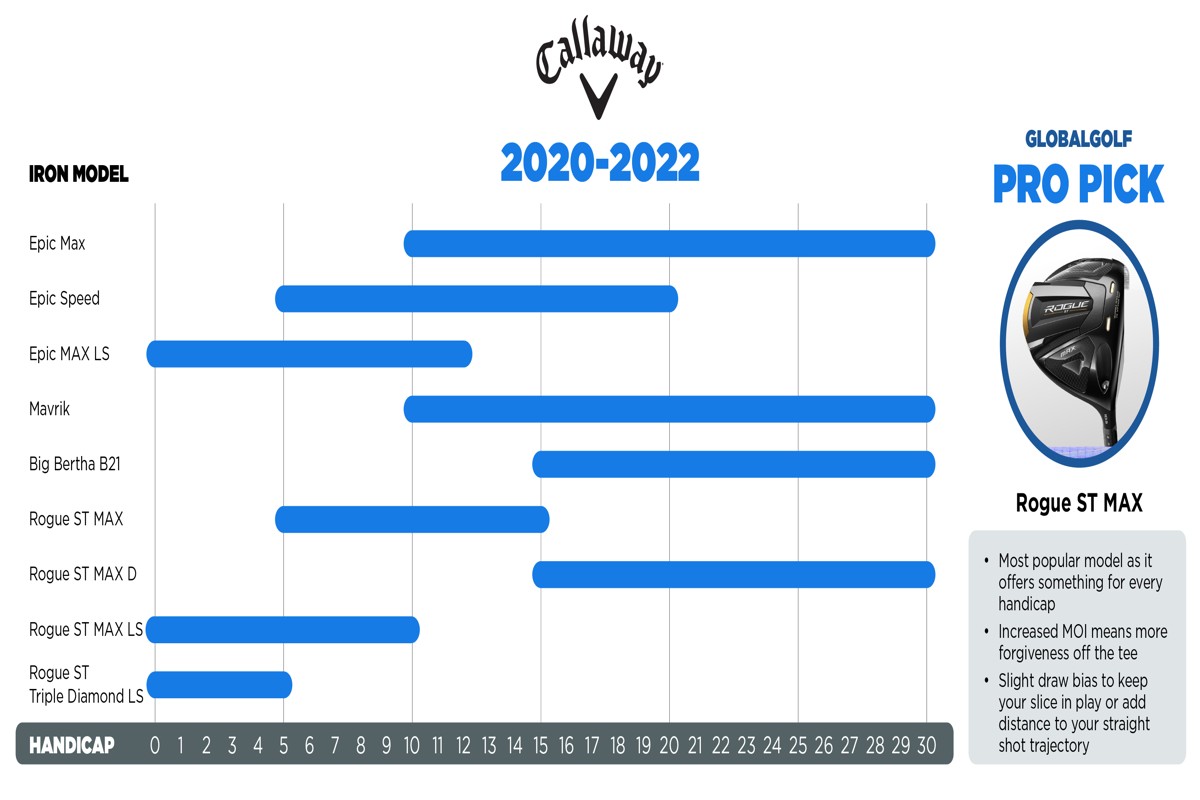
What driver should I use for golf? The right driver depends on your skill level, swing speed, and personal preferences. Selecting the best driver can significantly enhance your performance on the course.
For beginners, a more forgiving driver can help with consistency, while advanced players may prefer a club that offers more control. Understanding these factors can lead to better shots and improved overall gameplay.
Choosing the right golf driver can feel overwhelming, especially when you consider your swing speed. Understanding how swing speed affects your driver selection will help you make a more informed choice, ensuring that you get the most out of your game.
Understanding Your Swing Speed
Your swing speed is a crucial factor in determining the right driver for you. It helps dictate not only the type of driver you should use but also the loft, shaft flex, and length that will work best for your performance on the course.
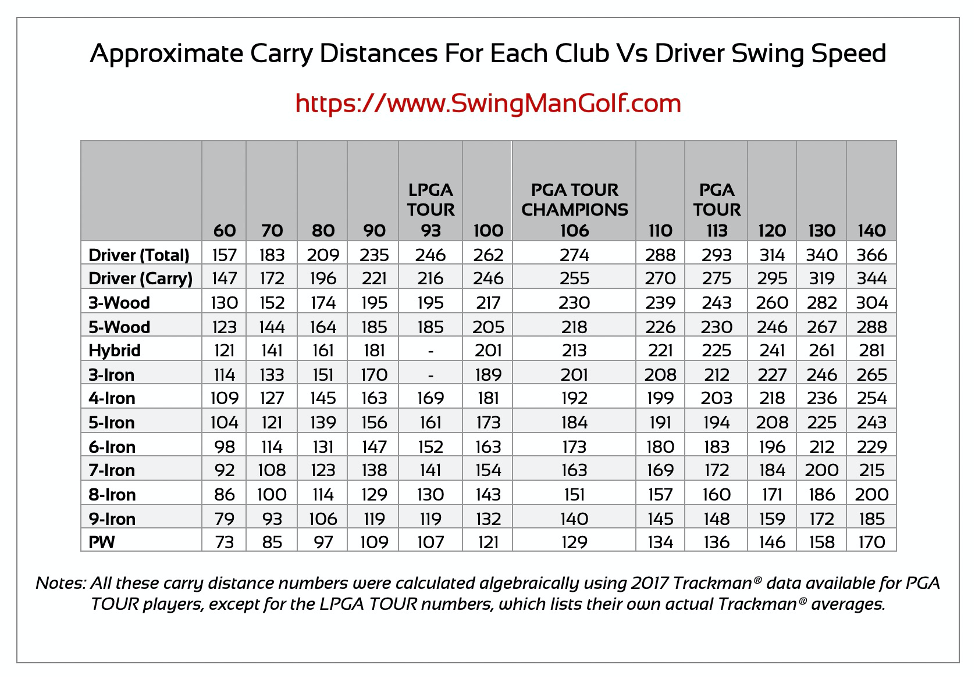
First, let’s define swing speed categories. Generally, golfers can be classified into three main categories: slow (under 85 mph), average (85-105 mph), and fast (over 105 mph). Knowing which category you fall into will help you narrow down your options considerably.
Next, swing speed has a direct impact on driver loft and shaft flex. For those with slower swing speeds, a higher loft (10.5° or more) can help you achieve better launch angles and distance. Conversely, faster swing speeds typically benefit from lower lofts (9° to 10.5°) to optimize distance. Shaft flex is equally important; a stiff shaft suits faster swings, while a more flexible shaft enhances distance and control for slower swings.
Now, let’s talk about driver length. A standard driver length is around 45 inches, but you might need to adjust this based on your swing speed. If you have a slower swing, a shorter driver (44-44.5 inches) can help you generate more control and accuracy. On the flip side, longer drivers can benefit those with faster swings, allowing for maximum distance.
Imagine you’re in a store deciding between two drivers. If you’re a slow swinger, you might want to opt for a driver with a higher loft and a flexible shaft—not the stiff option that a fast swinger would choose. This simple choice can make a significant difference in your game.
When considering what driver you should use for golf, take the time to assess your swing speed, loft preferences, and shaft flex. A little research can go a long way in helping you select a driver that complements your unique swing, ultimately enhancing your performance on the course.
Choosing the right driver loft can significantly impact your game. You might be wondering, what driver should I use for golf? The answer often lies in the loft angle of the club.
Driver Loft: Finding the Right Angle
The loft of a driver refers to the angle of the clubface that affects how high the ball launches into the air. This angle, measured in degrees, can dramatically change your ball’s trajectory and distance.
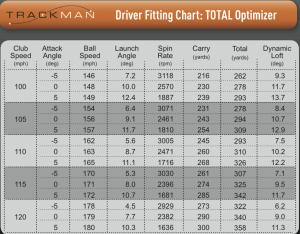
Typically, driver lofts range from 8 to 12 degrees. A lower loft, like 8 degrees, is best for players with faster swing speeds, allowing them to achieve a lower launch angle and more roll. Higher lofts, like 12 degrees, help slower swing speed players get the ball airborne more easily, promoting better distance.
When matching loft to your swing characteristics, consider your swing speed and angle of attack. If you have a sweeping swing, a lower loft might work wonders. Conversely, if you hit down on the ball, a higher loft can help you get the launch you need.
Adjustable loft drivers have become increasingly popular. These clubs allow you to tweak the loft angle to find what feels right for you. For instance, if you’re experimenting with your swing or trying to adapt to different course conditions, adjustable drivers can be a game changer.
Real-World Scenario
Imagine you’re on the range, using a 10.5-degree driver. You notice that the ball tends to soar high and drop short of your target. Switching to an adjustable driver set at 9 degrees could reduce the height and potentially add distance. You might be surprised at how just a degree or two can change your ball flight.
Ultimately, finding the right driver loft is about experimenting and understanding your swing. Don’t hesitate to try different lofts to see what gives you the best performance. Finding the right fit can make all the difference in your game.
Choosing the right shaft flex can make all the difference in your golf game. With the right flex, you’ll see improvements in both accuracy and distance. So, what driver should I use for golf? Let’s break down shaft flex and how it relates to your swing.

Shaft Flex: Choosing the Right Flex
Shaft flex is all about how much the shaft bends during your swing. Different players need different flex levels, depending on their swing speed and style. Selecting the right flex can enhance your performance on the course.
There are five main types of shaft flex: Ladies (L), Amateur (A), Regular (R), Stiff (S), and Extra Stiff (X). Each category caters to different swing speeds. For example, if you have a slower swing speed, you might benefit from a more flexible shaft like L or A. Conversely, faster swing speeds typically require S or X flex to maintain control.
So how do you determine your ideal flex? A good starting point is to measure your swing speed. You can do this using a launch monitor or by visiting a local pro shop. Generally, swing speeds below 85 mph lean towards Regular or Ladies flex, while speeds above 105 mph often need Stiff or Extra Stiff flex.
The effect of shaft flex on your game is significant. A shaft that’s too stiff might cause you to lose accuracy, while one that’s too flexible may lead to inconsistent strikes. For instance, if you’re using a driver with Stiff flex but your swing speed is on the lower end, you might find that you’re slicing the ball more often. On the flip side, a correct flex can help you achieve better launch angles and greater distance.
Remember, the right driver for you isn’t just about the brand or model—it’s also about how well it fits your unique swing. Don’t hesitate to experiment with different flex options to find what works best for you. Testing various drivers can give you a clearer idea of how flex affects your overall performance.
Choosing the right clubhead design can significantly impact your performance on the golf course. With various options available, finding the best fit for your swing style is essential for maximizing distance and accuracy.

Clubhead Design: Finding the Best Fit
The design of your driver’s clubhead plays a crucial role in how you hit the ball. From shape to weight distribution, each aspect affects your game, so it’s vital to understand what works best for you.
When looking at shapes, you’ll generally find traditional and oversized clubheads. Traditional shapes are more compact and offer a classic look, making them a favorite among experienced players. On the other hand, oversized drivers feature larger clubheads that provide a bigger sweet spot, which can help beginner and intermediate golfers achieve better contact with the ball.
Weight distribution is another key factor. A driver with a low center of gravity can help increase launch angle and reduce spin, which can lead to longer shots. Conversely, a driver with a more balanced weight distribution offers greater forgiveness on off-center hits. If you struggle with consistency, consider a design that maximizes forgiveness.
Fixed vs. Adjustable Clubheads
Now, let’s talk about fixed and adjustable clubheads. Fixed clubheads are simpler and often lighter, providing a straightforward option for those who prefer a set configuration. However, adjustable clubheads allow you to change loft and face angle, offering versatility as your game evolves. If you’re someone who enjoys tinkering with your equipment, an adjustable driver might be the way to go.
Imagine you’re at the driving range, trying out different drivers. You notice that with an oversized driver, your shots feel more forgiving even when you miss the center. That’s the kind of feedback you want to pay attention to when deciding what driver should I use for golf.
Ultimately, the best clubhead design for you depends on your skill level, swing style, and personal preference. Don’t hesitate to test out different options and consult with a professional if needed. Your choice could make a world of difference in your game!
When choosing a golf driver, balancing your budget with performance can feel tricky. You want to invest wisely without breaking the bank. Let’s dive into how to set a budget that works for you while still getting a driver that enhances your game.

Budget Considerations: Value vs. Performance
Finding the right golf driver involves a mix of cost and quality. Setting a realistic budget helps you narrow down your options, but understanding which features are essential can save you money in the long run.
First, start by determining how much you’re willing to spend. Drivers can range from under $100 to over $500. Think about how often you play and whether a premium driver will significantly impact your game. If you’re just starting, a lower-priced model may be a smarter choice.
Next, consider the features worth investing in. Look for adjustable loft and lie settings, as well as a lightweight design for better swing speed. These features can help you improve your performance, making the investment worthwhile. For example, a driver with adjustable settings allows you to customize your launch angle, which can lead to increased distance.
Now, let’s talk about new versus used drivers. Buying new might give you the latest technology and performance enhancements, but it often comes with a hefty price tag. Used drivers can offer great value, especially if they’re from reputable brands. Just make sure to check for any damage or wear that might affect performance.
Key Features to Look For
- Adjustable loft and lie settings
- Lightweight materials for improved swing speed
- Forgiveness on off-center hits
When asking yourself, “What driver should I use for golf?” remember that the best choice balances performance with your budget. Take your time researching, and don’t hesitate to test out different drivers to see what feels right for you. Your game will thank you for it!
When it comes to finding the right golf driver, testing different options and getting a professional fitting can make all the difference. You want a driver that feels comfortable and suits your swing style, so don’t skip this crucial step.

Testing and Fitting: Finding Your Perfect Driver
Trying out multiple drivers is essential. Each one has its unique characteristics, and what works for one player might not work for another. Don’t settle for the first driver you pick up.
One of the main benefits of testing various drivers is that you get to feel how each one performs. Some drivers may offer more distance, while others provide better accuracy. By experimenting, you’ll discover what features you prefer, whether it’s the grip, weight, or the overall feel of the club.
Getting a professional fitting can significantly enhance your golf game. During a fitting session, a trained professional will assess your swing characteristics and recommend drivers tailored to your needs. This personalized approach ensures that you leave with a driver that complements your unique style.
Using launch monitors during fittings can give you valuable insights. These devices track your swing speed, launch angle, and spin rate, helping you understand how different drivers will perform for you. For example, if a monitor shows that your launch angle with a specific driver is too low, you might want to consider a driver designed to promote a higher launch.
Finding the Right Place for Fitting
Look for local pro shops or golf facilities that offer professional fitting services. Many of these places have access to a variety of brands and models, making it easier to compare options. You might even find demo days where you can test several drivers back-to-back.
Trust Your Feel
While data is crucial, don’t ignore your instincts. If a driver feels great in your hands, that’s a vital piece of the puzzle. After all, golf is as much about confidence as it is about technique.
Next time you ask yourself, “What driver should I use for golf?” remember that testing and professional fitting are key. Take your time, try different options, and you’ll find the perfect driver that helps improve your game.