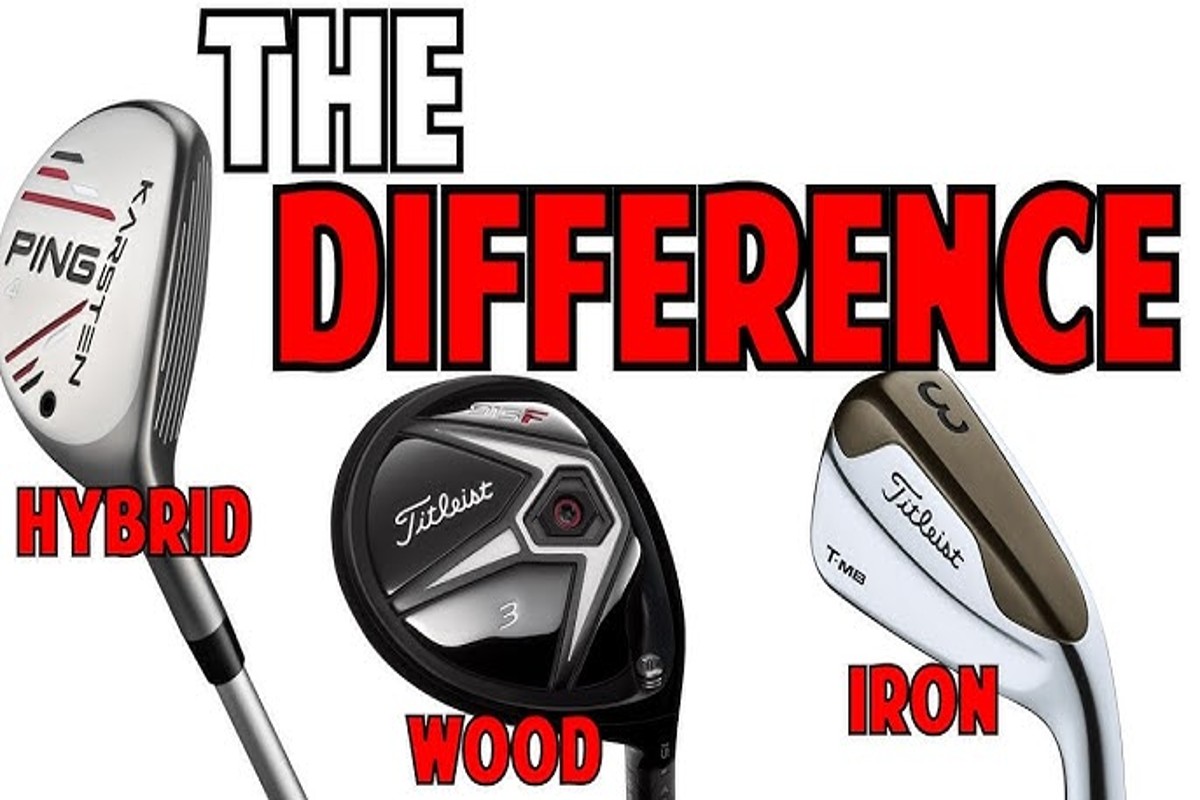
What is the difference between irons and woods? Irons are used for precision shots and control, while woods are designed for longer distances and power. Understanding this difference can help golfers choose the right club for various situations on the course.
For example, when approaching the green, a golfer might opt for an iron for accuracy, whereas a long drive down the fairway calls for a wood to maximize distance. Each club serves a unique purpose in a player’s strategy.
When you’re out on the golf course, understanding your clubs can make all the difference. One question you might have is, “What is the difference between irons and woods?” Let’s dive into the design and structure of these two essential types of clubs.
:max_bytes(150000):strip_icc()/meet-the-golf-clubs-1560507_FINAL1-96bcd811ce0d4863a05afca4096478c9.png)
Club Design and Structure
Irons and woods differ significantly in their design and structure. These differences affect how they perform, making it crucial to know what each club is best for.
One of the main differences lies in the materials used to make each type of club. Woods are typically crafted from lightweight materials like titanium or composite materials, which help maximize distance and speed. On the other hand, irons are usually made from steel or a combination of steel and other metals, providing better control and precision when striking the ball.
Now, let’s talk about the clubhead shape. Woods have a larger, rounded clubhead designed to create a higher launch angle and generate more distance. This design allows for a larger sweet spot, making it easier to hit the ball well. In contrast, irons feature a flatter clubhead with a more compact shape, which helps you take a more controlled shot, especially with approach shots to the green.
Shaft length is another notable difference. Generally, woods come with longer shafts, which helps increase swing speed and distance. You can think of it like a long lever that gives you more power. Irons, however, have shorter shafts, allowing for greater control and accuracy, especially when you’re aiming for specific targets on the green.
Imagine you’re on the fairway, facing a long shot to the green. You’d likely reach for your driver, a type of wood, to maximize your distance. But when you’re just off the green and need precision to get the ball close to the hole, you’d switch to an iron for that touch of accuracy.
Understanding these design differences can help you choose the right club for your shot, ultimately improving your game. Knowing when to use an iron or a wood is key to lowering your scores and enhancing your overall golfing experience.
Understanding the purpose and usage of irons and woods can really elevate your game. Each club has its own strengths, making them suitable for different situations on the course.

Purpose and Usage on the Course
When you’re out on the course, knowing when to use each type of club is crucial. Irons are typically used for shorter, more controlled shots, while woods are designed for longer distances and more power.
Irons are ideal for distances ranging from about 100 to 200 yards, depending on your skill level. They allow for precision and accuracy, making them perfect for approach shots to the green. For instance, if you’re 150 yards from the hole, you’ll likely grab a 7-iron to ensure you can control your shot and land it close to the pin.
Woods, on the other hand, excel at longer distances—often 200 yards or more. They’re great for tee shots on par 4s and par 5s, where you need more distance. Think about a situation where you’re on a par 5 and want to reach the green in two; a driver or fairway wood will give you that extra yardage to get closer to your goal.
Irons are also best suited for specific types of shots, like those that require a lower trajectory and more spin. If you’re facing a tricky lie or need to navigate around obstacles, using an iron allows for more control over your shot shape. For example, if you need to hit over a bunker, a well-struck iron will help you do just that.
Woods tend to be used effectively when you’re looking to maximize distance. They’re less about precision and more about power. When you find yourself on a wide-open fairway with plenty of room to work with, a wood can help you cover ground quickly and set up a great approach for your next shot.
In practice, think of your game like this: If you’re approaching the green from a distance, reach for an iron. But if you’re on the tee or need to cover long yardage, a wood is your best friend. Knowing what is the difference between irons and woods will help you make better choices and lower your scores.
When it comes to mastering your golf game, understanding the differences in swing mechanics between irons and woods is crucial. Each club type demands unique techniques that can significantly influence your performance on the course.

Swing Mechanics and Techniques
The swing path, impact angles, and follow-through for irons and woods vary quite a bit. Grasping these differences will help you make better shots, whether you’re hitting a fairway wood or a pitching wedge.
First off, let’s talk about swing paths. With irons, you typically want a steeper angle of attack. This means your clubhead descends more sharply into the ball, allowing for better contact and control. On the other hand, when you swing with woods, your path is generally shallower. This helps you make contact with the ball on the upswing, sending it soaring into the air.
Next, consider the impact angles. When you’re using irons, the goal is to create a solid strike that compresses the ball against the ground. This helps generate spin and accuracy. In contrast, woods are designed to hit the ball with less downward force, creating a more sweeping motion. This is critical for achieving that long, straight drive down the fairway.
Follow-through Variations
Finally, let’s examine the follow-through. With irons, a controlled finish is key. You want to keep your balance and ensure you’re set up for the next shot. Woods, however, allow for a more extended follow-through. This can help you maintain momentum and power, giving your drive that extra distance.
Imagine you’re on the tee box, ready to take your shot. If you’re using a driver, you’ll want to focus on that sweeping swing and a balanced follow-through to maximize distance. But if you switch to an iron for your next shot, you’ll need to adjust your approach, focusing on a steeper angle and a controlled finish for precision. Understanding what is the difference between irons and woods? can truly elevate your gameplay.
Practice these different techniques at the driving range. The more comfortable you become with each swing style, the better your overall game will be.
Your skill level can greatly influence whether you prefer using irons or woods. Beginners often lean towards certain clubs to boost confidence, while advanced players have their own strategies in mind.

Player Skill Levels and Preferences
The choice between irons and woods often reflects your playing experience. Beginners might find more comfort with specific clubs, while seasoned golfers have distinct reasons for their selections.
For beginners, using woods can feel more forgiving. The larger clubhead helps you make contact with the ball more easily, which can lead to longer, straighter shots. If you’ve just started playing, you might favor a driver or a fairway wood to help you get off the tee with confidence.
Advanced players, on the other hand, might employ a more strategic approach. They understand when to use each type of club based on the course layout and their own playing style. For instance, a skilled golfer may choose to hit an iron for better control on a tricky approach shot, while they reserve their woods for longer distances where they can maximize power.
Experience also plays a key role in club selection. As you become more familiar with your swing and the game’s nuances, you’ll likely develop a preference for specific clubs that align with your strengths. For example, an experienced player might switch to a 5-iron on a par 3 hole, knowing they can achieve precision and accuracy, while a beginner may still feel more comfortable with a hybrid club.
Ultimately, understanding what works for you is crucial. Don’t be afraid to experiment with different clubs as you progress. Whether you’re just starting out or have been playing for years, finding the right balance between irons and woods can enhance your overall game. So, what is the difference between irons and woods? It’s not just about the club type; it’s about how they fit your playing style and skill level.
When it comes to golf clubs, many players have preconceived notions about the differences between irons and woods. These assumptions can lead to confusion and even impact your game. Let’s clear up some common misconceptions so you can make better choices on the course.
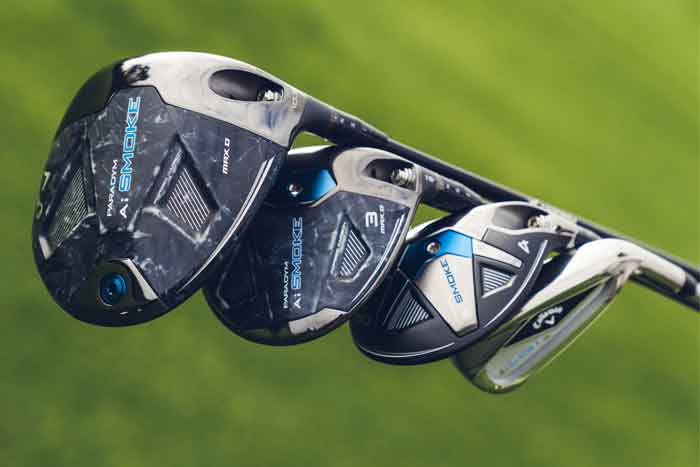
Common Misconceptions
Understanding what sets irons apart from woods is essential for every golfer. However, there are several myths that often cloud this understanding. Let’s break down some of the most prevalent misconceptions.
One common assumption is that woods always hit the ball farther than irons. While it’s true that woods are generally designed for distance, factors like swing speed and technique play a huge role. For example, a well-struck 7-iron can sometimes carry further than a poorly hit driver. So, distance isn’t solely determined by the club type.
Another belief is that irons are more difficult to hit than woods. Many beginners shy away from using irons, thinking they require more skill. In reality, while woods can feel more forgiving due to their larger clubface, they also demand precise timing. Irons can be just as approachable, especially considering they provide better control for a lot of shots.
Lastly, there’s a misunderstanding about the versatility between the two types of clubs. Some players think that woods can only be used off the tee or from the fairway, while irons are limited to approach shots. In fact, you can use irons for various situations, including chipping and pitching around the greens. Don’t underestimate the versatility of your irons; they can be your best friends in tricky scenarios.
Next time you’re out on the course, remember that understanding the differences in your clubs can enhance your performance. Instead of relying on common misconceptions, take the time to experiment with both irons and woods to see what works best for your game. You might just surprise yourself!
Choosing the right club can feel overwhelming, especially when you’re trying to figure out what works best for your game. Understanding the differences between irons and woods is just the start; you need to assess your own playing style and course conditions too.

Choosing the Right Club for Your Game
Finding the right club isn’t just about the numbers on the clubface. It’s about how you play and the specific challenges each course presents. Let’s break it down.
First, assess your personal strengths. Are you more comfortable with longer shots, or do you excel at precise, shorter ones? If you’re a power hitter, you might lean towards woods, which are designed for distance. On the other hand, if your game relies on accuracy, you might find that irons suit you better.
Next, consider the course conditions. Is the course mostly flat or hilly? Are the fairways wide or narrow? If you’re playing on a course with tight fairways, it might be wise to stick with your irons for better control. Conversely, if you’re facing long par-fours with plenty of open space, a wood could help you maximize your distance.
Now, let’s talk strategy. Balancing club selection with the game plan is crucial. For example, if you know you tend to struggle with long approaches, using a higher-lofted iron might give you the confidence to hit the green. Think about your strategy on each hole: Do you need to lay up or go for the green in two? Your choice of club can make all the difference.
Picture this: You’re on the 12th hole of a challenging course. It’s a long par-5 with a narrow fairway. If you know you can drive well with your 3-wood but struggle with accuracy using a driver, it might be smarter to use that 3-wood off the tee. You’ll set yourself up for a better second shot, keeping your game strategy in mind.
Ultimately, the best way to determine what works for you is to practice. Spend some time on the range with both clubs. Experiment with different situations and see what feels right. Your comfort and confidence will guide you in selecting the right club for every round.