What is the best golf training routine? It is a structured plan that includes physical conditioning, skill practice, and mental preparation to optimize performance on the golf course. This routine is essential for golfers of all skill levels to improve their game and achieve consistent results.
For instance, a beginner might focus on basic swing mechanics, while an advanced player could incorporate specialized drills and fitness regimens. Tailoring your training to your specific needs can significantly enhance your golfing abilities.
Improving your golf game isn’t just about mastering your swing; it’s also about how fit you are. Physical conditioning can significantly enhance your performance on the course, helping you hit longer drives and maintain focus throughout your rounds.

Physical Conditioning for Golf
When you think about golf, you might not immediately think of fitness, but conditioning plays a crucial role. A well-rounded fitness routine can boost your strength, flexibility, and endurance, making you a better golfer.
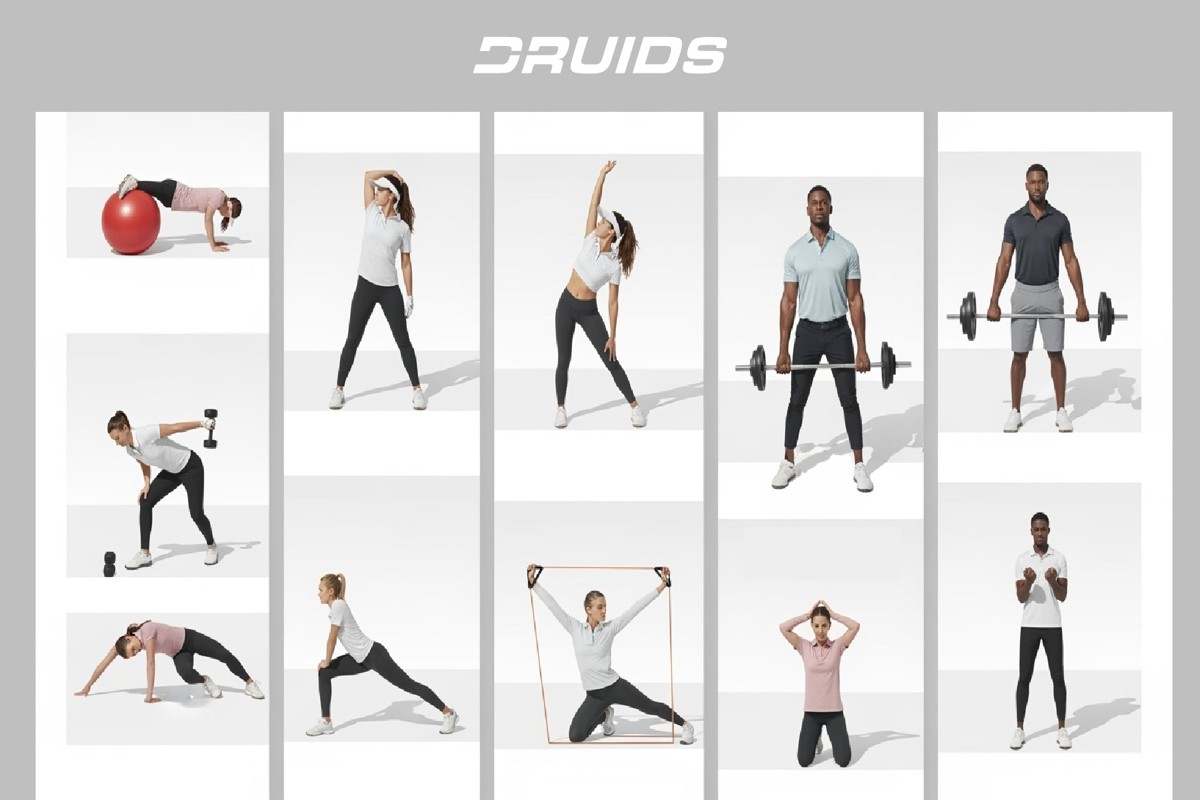
Strength training exercises are essential for building the muscles you need for a powerful swing. Exercises like squats, lunges, and deadlifts target key muscle groups used in golf. You’ll generate more power and control when you have a solid foundation of strength. For example, a stronger core can help stabilize your body during your swing, leading to better accuracy and distance.
Flexibility and mobility routines are equally important. Golf requires a wide range of motion, and tight muscles can limit your swing. Incorporating yoga or dynamic stretching into your routine can help improve your flexibility, allowing for a smoother and more effective swing. Try dedicating a few minutes before and after your practice sessions to stretch your shoulders, back, and hips.
Endurance training is another key component of a solid golf training routine. It’s not just about hitting the ball; you need stamina to walk the course and stay focused for several hours. Activities like running, cycling, or swimming can improve your cardiovascular fitness. You’ll feel less fatigue and more alert during those last few holes.
Combining strength, flexibility, and endurance training creates a balanced fitness routine that can elevate your game. Don’t underestimate the impact that being in shape can have on your performance. You might find that you can play longer and with more energy, which can make all the difference when you’re out on the course.
As you develop your golf training routine, remember to include these fitness elements. They’ll not only help improve your game but also contribute to your overall health and well-being. So, what is the best golf training routine? It’s one that prioritizes physical conditioning alongside practice and skill development.
Improving your short game can drastically lower your scores. Let’s dive into some essential drills that will make you a more confident player around the greens.
Short Game Practice Techniques
Mastering the short game is key to becoming a better golfer, regardless of your skill level. With focused practice, you can sharpen your chipping, putting, and bunker shots to handle any situation on the course.
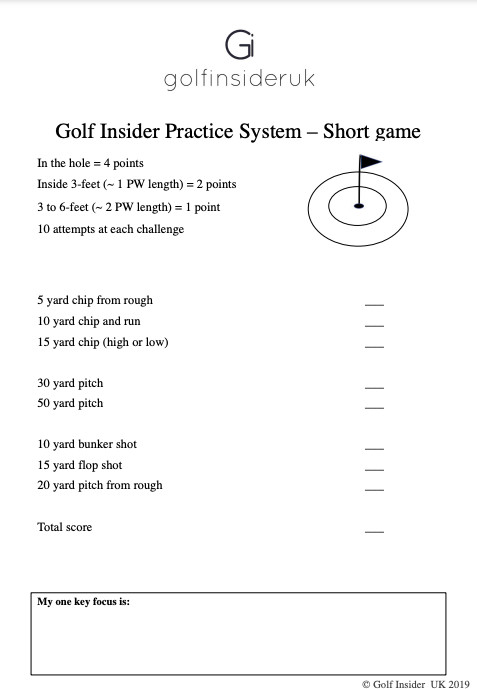
First up, let’s talk about chipping drills. A great way to improve your accuracy is by using a target-based approach. Set up a few different targets at varying distances and heights. Try to land your chips within a set radius of each target. This not only hones your precision but also builds your confidence when you face tricky chip shots on the course.
Putting Drills for Consistency
Next, putting is where you can really save strokes. One effective drill is the “gate drill.” Place two tees slightly wider than your putter head and practice putting through the gate. This helps ensure your stroke is straight, which is crucial for sinking those crucial putts. Aim to make 10 consecutive putts from a short distance before moving back.
Finally, don’t neglect bunker shots. A simple but effective drill is the “explosion drill.” Place a ball in a bunker and practice hitting it out by focusing on creating a splash of sand. Aim for a specific spot in the sand, about an inch behind the ball. This will give you versatility when you’re faced with different bunker lies during a round.
Remember, consistency comes from practice. Set aside time each week to focus on your short game using these drills. You’ll be surprised at how much they can improve your overall performance. What is the best golf training routine? One that includes regular short game practice! So, grab your clubs and head to the practice green—you’ll see the benefits in no time.
Maximizing your time at the driving range is key to improving your golf game. By focusing on specific strategies, you can make each practice session more effective and enjoyable.

Driving Range Strategies
Effective driving range practice isn’t just about hitting balls; it’s about being intentional with each swing. By targeting specific goals, using various clubs, and tracking your progress, you’ll see real improvement.
First, focusing on specific targets can make a big difference. Instead of just blasting balls into the distance, pick a target on the range for each shot. This could be a flag or a marker. Try to hit that target consistently, which helps you develop accuracy and distance control.
Next, incorporate various clubs into your routine. Don’t just stick to your driver. Spend time with your irons, wedges, and even putters if there’s a practice green. For instance, you might start with your driver, then switch to a 7-iron, and finish with a pitching wedge. This variety helps you become a more well-rounded player.
Tracking your progress is also essential. Keep a simple log of your performance, noting the number of successful shots with each club and the distance to your target. This might sound tedious, but it helps you identify areas for improvement. For example, if you notice your 5-iron consistently falls short, you can adjust your technique or strength.
Try setting a goal for each session too. Maybe you want to hit ten targets in a row or improve your distance with a specific club. Setting clear objectives keeps you focused and gives you something to strive for.
A practical tip: consider recording your practice sessions. You can film your swing and analyze it later. This way, you can spot mistakes and track improvements over time. You might be surprised at how much more you can learn from watching yourself.
The mental side of golf can make or break your game. A solid mental game helps you stay focused, calm, and ready to tackle any challenge on the course.

Mental Game Training
Golf is as much a mental sport as it is physical. Being able to visualize your shots, control your breath, and establish a consistent routine can take your performance to the next level.
One effective technique is visualization. Picture yourself in a perfect swing, feeling the club connect with the ball just right. This mental imagery can help reinforce positive outcomes, especially when you’re standing on the tee box, ready to take your shot. Imagine how confident you’d feel if you could see every shot before you even take it!
Breathing exercises can also play a crucial role in maintaining your focus. When you’re feeling pressure, take a moment to breathe deeply. Inhale through your nose for four counts, hold for four, and exhale through your mouth for six. This simple technique can help calm your nerves, allowing you to concentrate better on your game.
Building a routine is key for consistency. Think about how professionals approach their game. They have rituals before every shot, whether it’s aligning their feet, visualizing the hole, or taking a specific number of practice swings. You can adopt a similar strategy to create a personal pre-shot routine that brings you confidence and focus each time you step up to the ball.
For example, imagine you’re on the 18th hole, and the pressure is on. You’ve practiced your breathing and developed a routine that you trust. As you stand over the ball, you visualize sinking the putt, feel your breath calming you, and follow through with your established routine. That’s the kind of mental game that can turn a challenging round into a satisfying finish.
Make mental training a regular part of your practice. By incorporating visualization techniques, breathing exercises, and a consistent routine, you’ll be well on your way to answering the question, “What is the best golf training routine?” with a focus on both your physical skills and your mental strength.
When you’re out on the course, having a solid strategy can make all the difference. This isn’t just about swinging your club; it’s about how you navigate each hole and make smart decisions under pressure.
On-Course Strategies
On-course strategies are crucial for golfers of all skill levels. By focusing on course management, establishing a pre-shot routine, and effectively reading greens, you can elevate your game and lower your scores.
Course management is all about playing smart. Instead of aiming for the pin every time, consider the layout of the hole. For example, if you’re faced with a tricky water hazard, it might be wiser to aim for a safer area of the green. This minimizes risk and keeps your scorecard clean.
Your pre-shot routine is another vital component. This routine helps you focus and gives you a consistent approach to every shot. Whether it’s taking a deep breath, visualizing your shot, or practicing your swing, find a sequence that works for you. Trusting this routine can ease your nerves, especially on tight shots.
Reading Greens Effectively
Reading greens is where many golfers stumble. Take your time to analyze the slope, grain, and speed of the green. Walk around the hole to get different perspectives, and always keep an eye on how other players’ putts react. This can give you valuable insights into the greens’ characteristics.
One helpful tip is to look for the high point of the green and aim your putt accordingly. If you’re trying to hole a tricky putt, remember that the ball will break towards the lower side. Mastering this skill can really improve your chances of sinking more putts.
Incorporating these strategies into your game can enhance your overall performance. You’ll not only play smarter but also enjoy the game more. So, next time you step on the course, think about course management, stick to your pre-shot routine, and become a master at reading greens. What is the best golf training routine? Start with these strategies, and you’ll be well on your way to improving your game!
Tracking your progress is crucial to improving your golf game. Without monitoring your performance, you won’t know what’s working and what needs adjustment in your training routine.
Tracking Progress and Adjustments
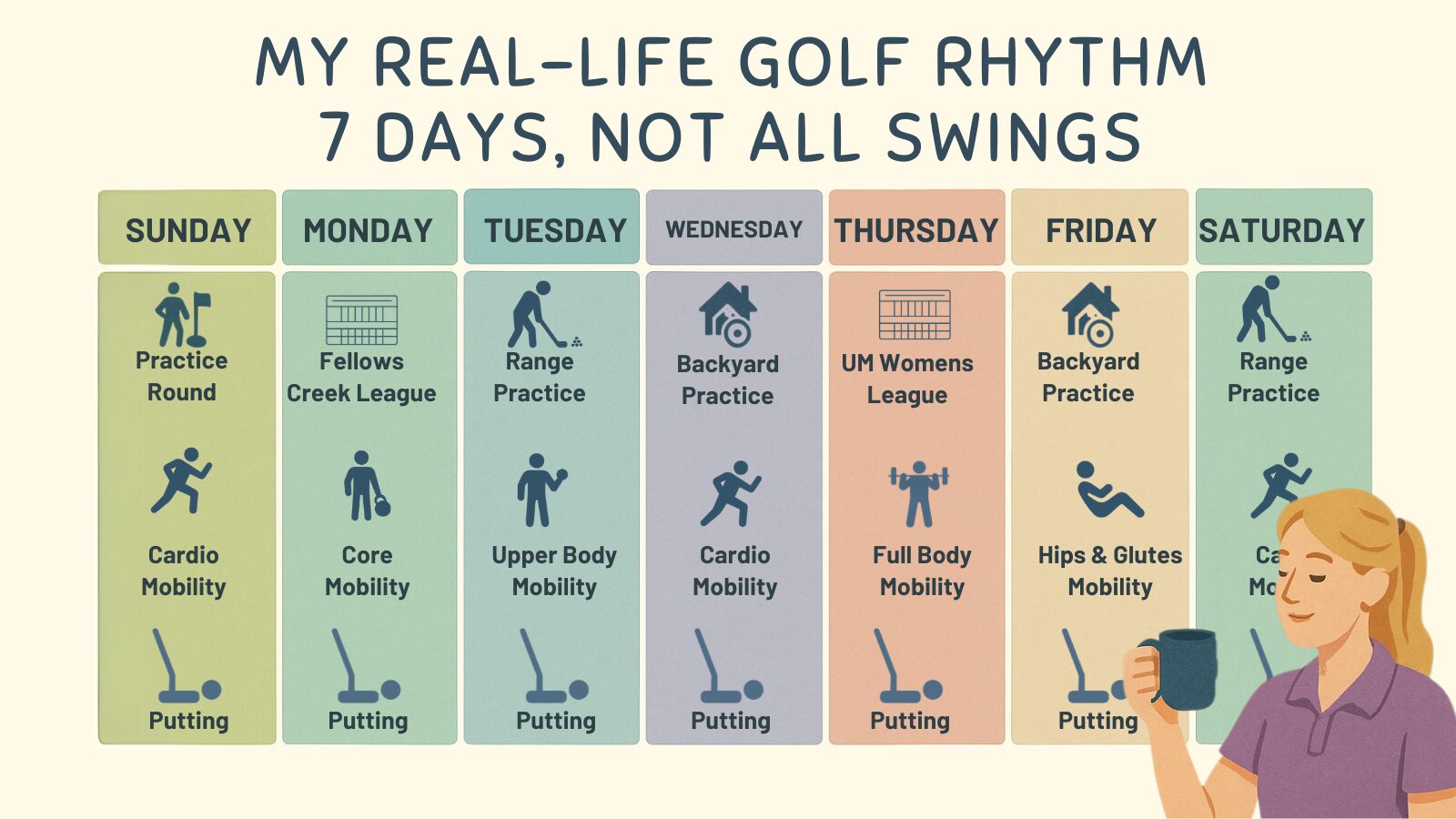
Regularly assessing your performance allows you to make informed decisions about your training. By setting realistic goals and seeking feedback, you can refine your approach and enhance your skills.
Using performance metrics is one of the best ways to track your improvement. Whether it’s measuring your driving distance, accuracy, or putting stats, having concrete numbers gives you a clear picture of your progress. For example, if you notice your driving accuracy has improved from 60% to 75%, that’s a clear sign your training is paying off.
Setting realistic goals is equally important. Instead of aiming to become a scratch golfer overnight, focus on incremental improvements. Perhaps your goal could be to reduce your score by just a few strokes over the next month. Achievable targets keep you motivated and give you a sense of accomplishment along the way.
Seeking professional feedback can also elevate your training routine. A golf coach can provide insights you might not see yourself. They can identify technical flaws in your swing or suggest drills tailored to your needs. This personalized feedback can make a significant difference in your game.
Keep in mind that your training routine isn’t set in stone. As you progress, you might find certain drills aren’t as effective anymore. Be flexible and willing to adjust your training based on your performance metrics and feedback. What is the best golf training routine? It’s one that evolves with you.
Regularly review your goals and track your progress. This way, you can celebrate your victories and tackle areas that need work head-on.