Have you ever crushed a drive, only to see it veer hard right like it’s got a mind of its own?
That was my weekend routine until Lena stepped in with her keen eye for detail.
Later in this post, I’ll share the game-changing tips she gave me to tackle my slice and finally find some consistency.
Trust me, you won’t want to miss the moment everything clicked for me!
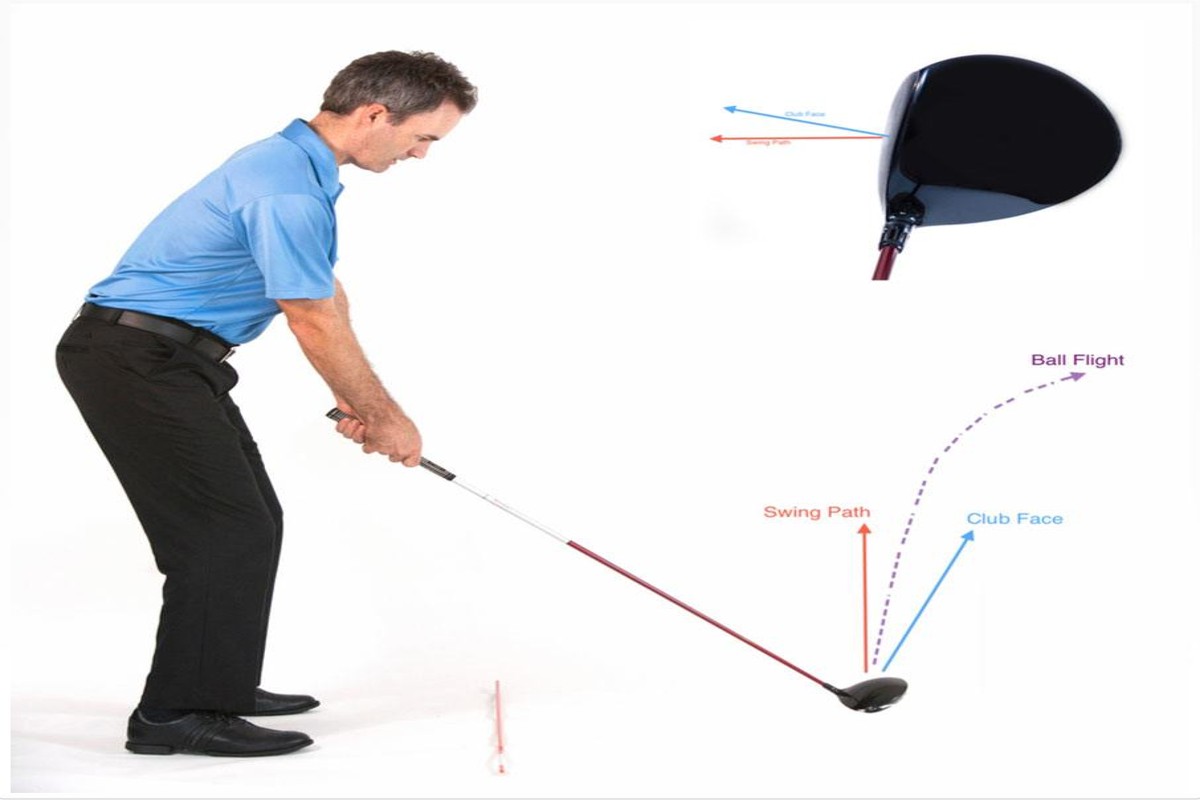
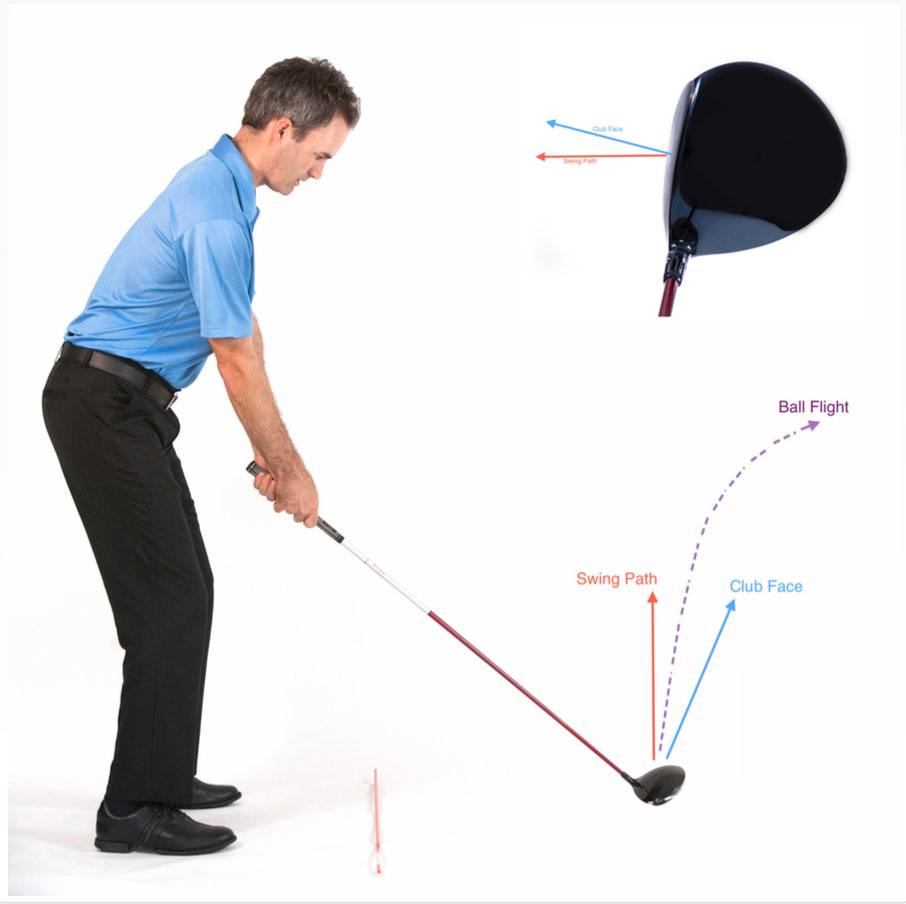
Why do I slice the golf ball? Slicing occurs when the clubface is open at impact, often due to improper grip, stance, or swing path, leading to a left-to-right ball flight.
But the answer alone doesn’t tell the whole story — let me walk you through what I actually experienced on my quest to straighten out my shots.
So, Lena and I were chatting the other day about our first big tournaments.
She was super nervous, and I could totally relate.
It’s wild how competitive golf can get — you think you’re ready until that first tee shot rolls around.
The Day My Drive Went Awry
The day of my first major tournament was a whirlwind.
I remember standing on that first tee, heart racing.
The sun was bright, my hands were clammy, and my mind was racing with thoughts of all the “what ifs.”
Then came my swing — and it went completely awry.
My ball sliced off the tee, veering hard to the right.
I stood there, disheartened, watching it disappear into the rough.
What I learned from that moment was that nerves can really mess with your game.
Honestly, I thought I had it all figured out.
But the pressure turned my usual swing into something unrecognizable.
Seeing that ball slice away from the fairway was a wake-up call.
The part that caught me off guard was the feeling of defeat.
I was so excited for this tournament, and then bam — a slice would lead to a double bogey.
It was like a lead balloon in my stomach.
I had my game plan, but competition turned everything upside down.
It felt like I had let myself down, and I wasn’t sure how to come back from it.
- It’s tough to stay positive.
- Nerves are real — and they can mess you up.
- Adapting mid-game is a skill I had to learn the hard way.
If I had to do it again, I’d focus more on relaxing before that first swing.
The thing nobody tells you is how much your mind plays a role in your game.
Being in Baltimore, surrounded by my friends cheering me on didn’t change the anxiety I felt.
I realized that those mental hurdles could be as tricky as any physical slice.
Here’s something I didn’t expect.
Scrolling through my Facebook group, I saw a post from a beginner golfer.
She was asking why she kept slicing the golf ball, and it took me back.

Lena’s Unforgettable Advice
That day over coffee, Lena and I dove deep into my golf struggles.
She had her own slice issues when she first started, so we bonded over our frustrations.
It felt great to have someone who really understood.
We talked about the grip and stance — the little details that matter a lot.
Lena was super encouraging. She looked me in the eye and said, “You can fix this.”
The part that knocked me over was when Lena showed me her grip.
She explained how a slight adjustment could change everything.
I had been gripping the club like I was trying to wrestle an alligator — way too tight.
Just hearing her talk about it made me realize I wasn’t alone in my slice struggles.
What I learned from that was having a supportive friend can change your game.
Lena’s confidence in me sparked something; I was determined.
I couldn’t wait to get back on the course and put her advice into action.
Her encouragement felt like a little push, and honestly, I needed that.
- Support is key — you don’t have to struggle alone.
- Small adjustments can make a big difference.
- Encouragement fuels determination.
If I had to do it again, I’d reach out sooner.
Sometimes, we just need that one friend to lift us up and share their journey.
Lena showed me it’s not just about fixing the slice — it’s about enjoying the ride together.
Here’s something I didn’t expect.
Seeing my swing on video was a total wake-up call.
I thought I was doing okay, but wow, was I wrong.
The Swing Analysis That Changed Everything
When I finally decided to take a lesson, I had no clue what I was in for.
I walked into that Baltimore golf school feeling pumped.
But after watching my swing on video, my excitement plummeted.
I mean, who knew it could look so… awkward?
What struck me most was how off my body alignment was.
I’d been convinced that my grip was the issue, but nope.
The instructor pointed out my clubface was completely open at impact.
I was all over the place, but it all started to click.
What I learned from that was body alignment matters way more than I thought.
Before I saw the video, I really had no idea I was standing so crooked.
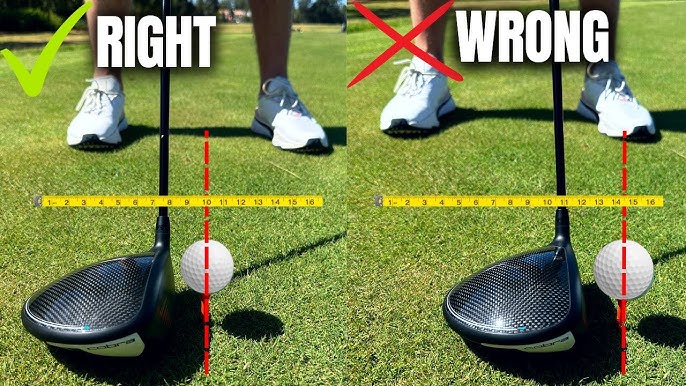
The instructor suggested some simple tweaks: adjusting my stance and practicing with a mirror.
Seemed too easy, right? But it made a world of difference.
The part that caught me off guard was that he didn’t focus on complicated techniques.
I expected to learn a ton of new swings or grips, but instead, it was all about basic adjustments.
Just shifting my weight slightly and closing my stance changed everything.
I realized that a simple change could lead to a big impact — pun intended!
I started practicing these new techniques, and my slices began to fade.
Lena was shocked when I told her about it in our Facebook group.
She couldn’t help but tease me about finally figuring it out.
If I had to do it again, I would’ve taken that lesson way earlier.
The best part? I finally stopped asking myself, “Why do I slice the golf ball?”
Now, I’m just focused on getting better one swing at a time.
Let me tell you about a moment with Lena that caught me off guard.
She decided to try this totally unconventional grip I never thought would work.
Turns out, her shot was straighter than my entire season!

Practicing Persistence: The Struggle is Real
Practicing golf has been a rollercoaster.
I’d have days where I felt like a pro, then days where I couldn’t find the fairway to save my life.
I documented every session, and it was a mixed bag.
There was laughter, frustration, and a lot of confusion around why I slice the golf ball.
Each time I went to the range, I tried to adjust my grip and stance.
I experimented with my hands, my elbows, even my feet.
It felt like trying to solve a puzzle with missing pieces.
Then came the breakthrough: the moment when I squared up and hit a straight shot.
I can still hear that crisp sound of the club striking the ball! It felt like winning the lottery.
What surprised me was how much a simple change could make a difference.
Just tweaking my grip helped me gain control of the ball.
I had always thought it was all about strength, but it’s really about finesse.
I also learned that persistence pays off — even in golf.
There were times when I wanted to give up altogether.
But looking back, those frustrating sessions were the ones that built my character.
Each slice taught me something new.
Key Takeaways
- Experiment with your grip.
- Keep track of what works (and what doesn’t).
- Don’t be afraid to fail — it’s part of the game.
If I had to do it again, I’d remind myself that progress isn’t linear.
You’re going to have your ups and downs, and that’s okay.
The journey is what makes it interesting — even if it sometimes feels like a never-ending slice!
Here’s something I didn’t expect.
I was nervous about my next tournament.
Lena and I had just had one of those deep chats about overcoming fears.
The Comeback Round: Slicing No More?
I stepped onto that course feeling a mix of excitement and dread.
It was like my nerves were a wild rollercoaster ride.
But I had a game plan this time.
I remembered all the tips I had tried to master, thanks to Lena’s advice.
Every swing was a test of whether I could finally stop slicing.
What surprised me was how different the tournament atmosphere felt.
The pressure can overwhelm you.
But instead of freezing up, I focused on each shot.
I took a deep breath before every swing — a little mantra in my head.
Hitting straight shots felt like a victory.
The part that caught me off guard was the exhilaration of connecting with the ball.
That satisfying whoosh as the club made contact… bliss!
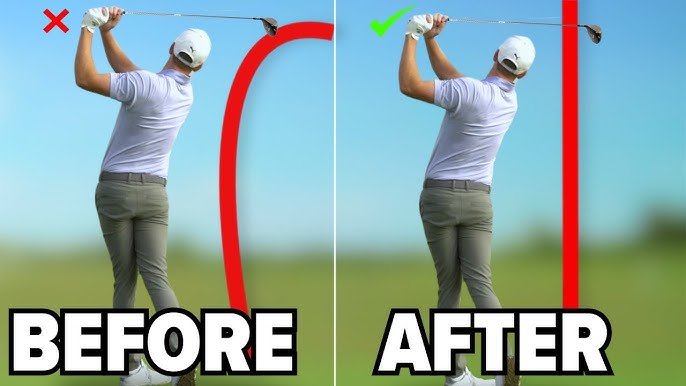
No more slicing left and right.
Instead, I was sending the ball straight down the fairway.
It felt empowering, like I was finally in control.
From that round, I learned that confidence is everything.
When I believed in my swing, things just clicked.
It wasn’t a magic fix, but applying the techniques felt natural, not forced.
This time, I was free from the fear of slicing — for the moment, at least.
If I had to do it again, I’d definitely remind myself about that chat with Lena.
Sometimes, tackling your fears head-on is all it takes.
Sure, I might slice again someday — we all do.
But knowing I could hit those straight shots? Priceless.
Before I dive into this, I just want to be clear: what I’m sharing is all from my own experience and a bit of trial and error.
If you’re looking for solid advice on why you might slice the golf ball, I definitely recommend chatting with a pro or someone who really knows their stuff.
We’re all on our own golf journeys here, and sometimes a little expert guidance can go a long way!
Here’s a funny story for you.
When I first started golfing, I thought hitting the ball straight was all about muscle.
I went to the driving range, swung as hard as I could, and… well, let’s just say the ball had other plans.

Reflections on My Golfing Journey
I remember my first round of golf like it was yesterday.
I was excited, ready to impress my friends, and armed with all the enthusiasm in the world.
But I quickly learned that enthusiasm doesn’t guarantee success.
As I teed off, I sliced the ball so badly that it ended up in a completely different fairway.
I could hear Lena’s laughter from across the course — that was my welcome to golf.
What I learned from that was more than just how to grip the club.
Golf taught me about humility.
Sometimes, you think you’ve got it all figured out, and then life — or a pesky slice — reminds you to slow down.
Building resilience came from those early failures.
Each swing that went wrong made me rethink my approach.
Golf isn’t just about the perfect shot; it’s about adapting, recalibrating, and trying again.
That’s something I’ve carried into other aspects of my life, too.
Patience became my close friend on the course.
There were days when I’d leave the driving range feeling defeated.
But instead of giving up, I tried to focus on small wins.
I started celebrating my straight shots, no matter how few they were.
Each improvement felt like a little victory, making me hungrier to keep going.
As I look forward to my next golfing adventure, the excitement is palpable.
I know there’ll be days filled with frustration — and probably more slices.
But there’s also the promise of growth and learning each time I step onto the green.
The thing nobody tells you is that it’s not just about the scorecard.
It’s about the drive to improve and the friendships forged along the way.
So, here’s to embracing the slices — and everything else that comes with this beautiful game.