
How do I improve my golf swing? Start by focusing on your grip, stance, and follow-through to enhance your overall technique and consistency. Mastering these elements can lead to better performance on the course.
Many golfers struggle with hitting the ball straight and far. By refining your grip and ensuring a solid stance, you can make significant improvements to your swing and enjoy a more satisfying game.
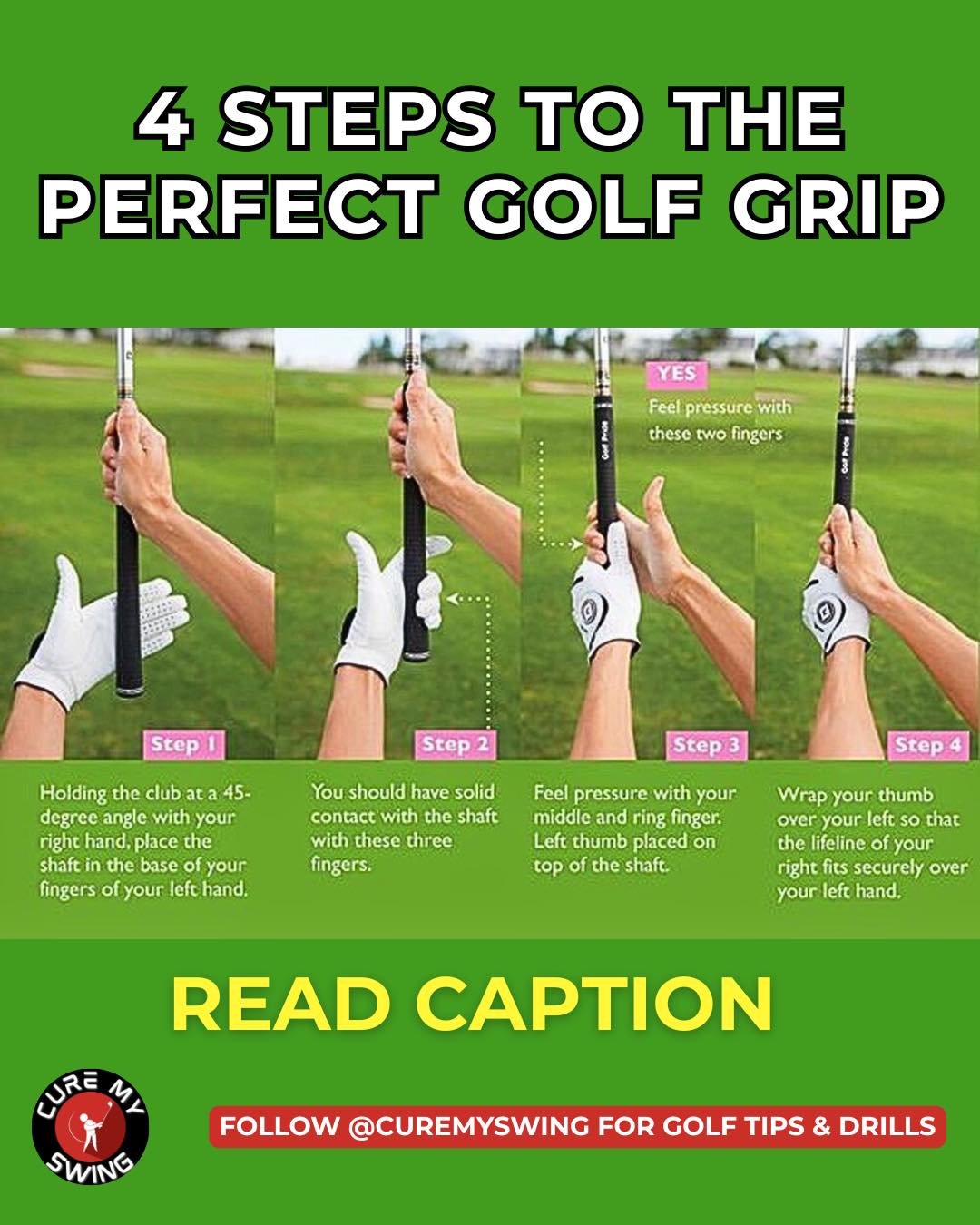
Getting your grip right can make all the difference in your golf swing. A solid grip helps you maintain control and accuracy, which is key to hitting those perfect shots.
Perfecting Your Grip for Better Control
Your grip is your connection to the club, and it plays a crucial role in your overall swing. A proper grip ensures that you have the control you need to execute your shots effectively.
First, let’s talk about the different types of grips you can use. The most common ones are the interlocking grip, the overlapping grip, and the baseball grip. The interlocking grip is great for players with smaller hands, while the overlapping grip is often preferred by those with larger hands. The baseball grip is more casual and can feel comfortable for beginners. Choose what feels best for you, but give each a try to see which one gives you the most control.
Next up are common grip mistakes. One major pitfall is gripping the club too tightly. When you squeeze the club, it can lead to tension in your arms and shoulders, which disrupts your swing. Another mistake is not aligning your grip properly on the club. If your hands are misaligned, it can affect the clubface angle at impact, causing erratic shots.
How Grip Pressure Affects Swing
Grip pressure plays a significant role in your swing’s success. You want to hold the club firmly enough to maintain control but relaxed enough to allow for a smooth swing. A good rule of thumb is to think of your grip as holding a tube of toothpaste—you want to keep it secure without squeezing out the paste. If you hold it too tightly, your swing could suffer.
Imagine you’re on the course, and you’re about to take a crucial shot. You’ve practiced your grip, and now it feels just right. As you swing, everything clicks—your hands are relaxed, and the club moves fluidly through the air, resulting in a perfect strike. That’s the power of a good grip!
To improve your grip and, consequently, your swing, practice holding the club with varying pressures. Experiment with different grips during your practice sessions. You might just find the key to answering the question, “How do I improve my golf swing?” is simpler than you thought.
Improving your golf swing starts with the right stance and posture. Getting these fundamentals right can significantly enhance your performance on the course.

Optimizing Your Stance and Posture
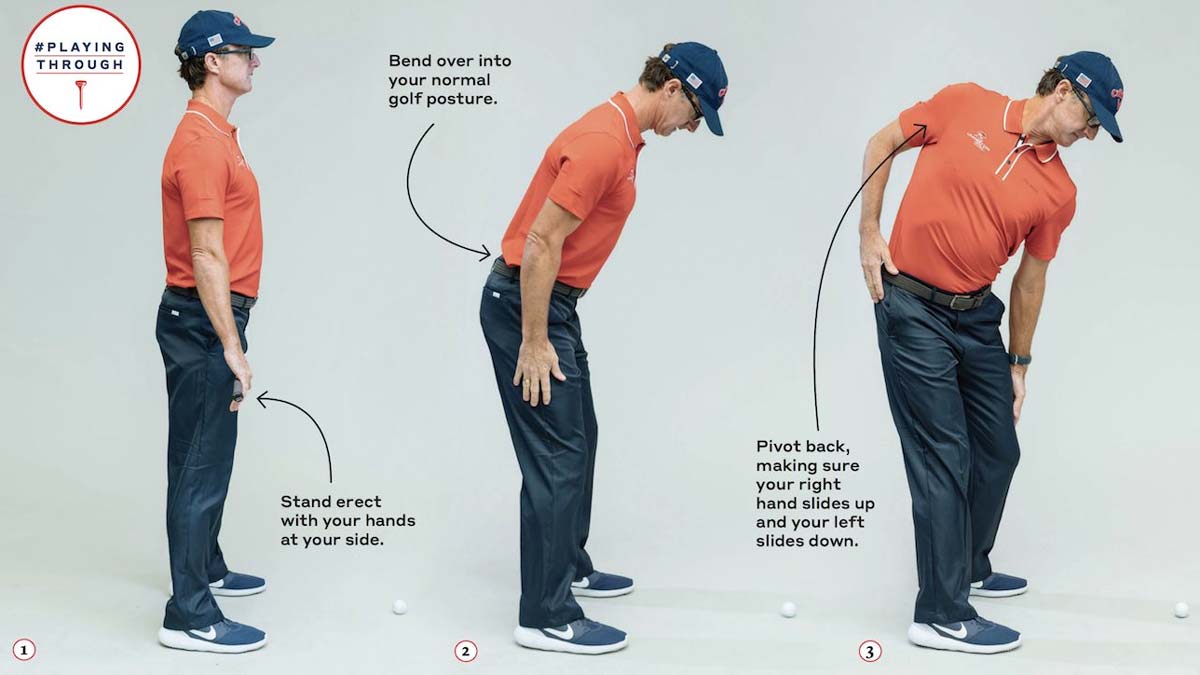
Your stance and posture set the stage for a powerful and accurate swing. When you’re properly aligned, it not only feels more comfortable but also helps you generate better power and control.
First, let’s talk about feet positioning. Your feet should be shoulder-width apart, giving you a stable base. If you’re hitting a driver, you might want to adjust your stance slightly wider for added balance. Imagine standing on a seesaw; you want to feel grounded, not like you might tip over at any moment.
Body Alignment Tips
Once your feet are set, focus on your body alignment. Your shoulders, hips, and knees should all be parallel to your target line. A common mistake is to let your body open up or close off, which can lead to inconsistent shots. Stand behind the ball and visualize a straight line from your target to your feet—this will help you stay aligned.
Next up is flexibility, particularly in your knees and hips. If you’re stiff, you won’t be able to rotate properly during your swing. Spend a few minutes before your round doing dynamic stretches to loosen up. Consider a simple knee-to-chest stretch or hip rotations to help enhance your flexibility and range of motion.
Picture this: you’re on the 18th hole, your friends are watching, and you need to sink that putt. Your feet are well-placed, your body is aligned, and you feel relaxed. That confidence, stemming from a solid stance and posture, can make all the difference.
So, the next time you ask yourself, “How do I improve my golf swing?” remember that optimizing your stance and posture is key. Take the time to adjust and practice these elements, and you’ll see improvements in no time.
The backswing is a critical component of your golf swing. It sets the stage for everything that follows, influencing your power and accuracy.
The Role of the Backswing in a Successful Swing
During the backswing, you’re not just lifting the club; you’re building momentum and positioning yourself for a powerful strike. A well-executed backswing creates a solid foundation for your downswing, allowing you to transfer energy efficiently.
To get the most out of your backswing, focus on a few key checkpoints. First, ensure your left arm is straight but not rigid, creating a wide arc. Your wrists should hinge naturally, allowing the club to float up smoothly. Lastly, don’t forget about your lower body; a stable base will prevent swaying as you turn your torso away from the ball.
Common Backswing Errors
Many golfers struggle with common mistakes that can derail their swings. One frequent issue is an overly flat backswing, which can lead to inconsistent contact. Another error is rushing the backswing, causing you to lose your balance and rhythm. Instead, focus on a relaxed and controlled motion to maintain your form.
Practicing your backswing can be both fun and effective. Try using a mirror to check your form or record yourself to see how you move. You can also practice with a slow-motion swing, emphasizing the positions of your arms and body as you go. This method can help you internalize the correct mechanics.
Imagine you’re on the course, preparing for a crucial shot. You take a deep breath, visualize your swing, and focus on your backswing checkpoints. This mental preparation not only calms your nerves but reinforces the good habits you’ve practiced. So, how do I improve my golf swing? Start with a strong backswing, and you’ll notice the difference in your game.
Generating power and speed during your downswing is crucial for a strong golf swing. Mastering this phase can make a significant difference in your overall performance on the course.

Achieving a Powerful Downswing
The downswing is where the magic happens. It’s your chance to unleash the energy you’ve built up during your backswing and send the ball flying down the fairway.
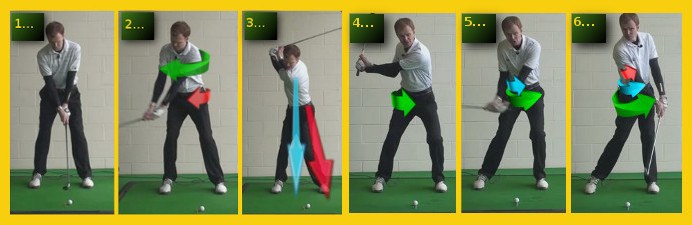
One of the key elements to a powerful downswing is effective weight transfer. As you start your downswing, focus on shifting your weight from your back foot to your front foot. This transfer not only creates momentum but also helps you maintain balance and control. Imagine you’re pushing off the ground, almost like a sprinter launching from the starting blocks.
Timing and rhythm play a significant role, too. You want to create a smooth transition from your backswing to your downswing. A common drill is to practice swinging with a metronome or counting in your head. This helps you find a consistent pace, so your movements are fluid and coordinated, rather than rushed or choppy.
Avoiding Common Downswing Mistakes
One mistake many golfers make is starting the downswing with their arms instead of their lower body. This can lead to a loss of power and accuracy. Instead, think of your lower body leading the movement. Your hips should initiate the downswing, followed by your upper body and finally your arms. This sequence creates a whip-like effect, maximizing your swing speed.
Another pitfall is over-rotating your shoulders too early. This can cause you to lose control and accuracy. Keep your shoulders in line for as long as possible, allowing your hips to turn first. This adjustment will lead to a more powerful and controlled swing.
One practical tip is to visualize your downswing as a chain reaction. Think of your hips, torso, and arms working together, like a well-oiled machine. When you synchronize these parts, you’ll notice a marked improvement in your swing power.
So, how do I improve my golf swing? Focus on your weight transfer, timing, and avoiding common mistakes. With practice, you’ll see your downswing transform into a powerful weapon on the course.
Improving your golf swing hinges on many factors, but one crucial aspect often gets overlooked: the follow-through. A well-executed follow-through not only completes your swing but also sets the stage for greater consistency and accuracy.
Importance of Follow-Through for Consistency
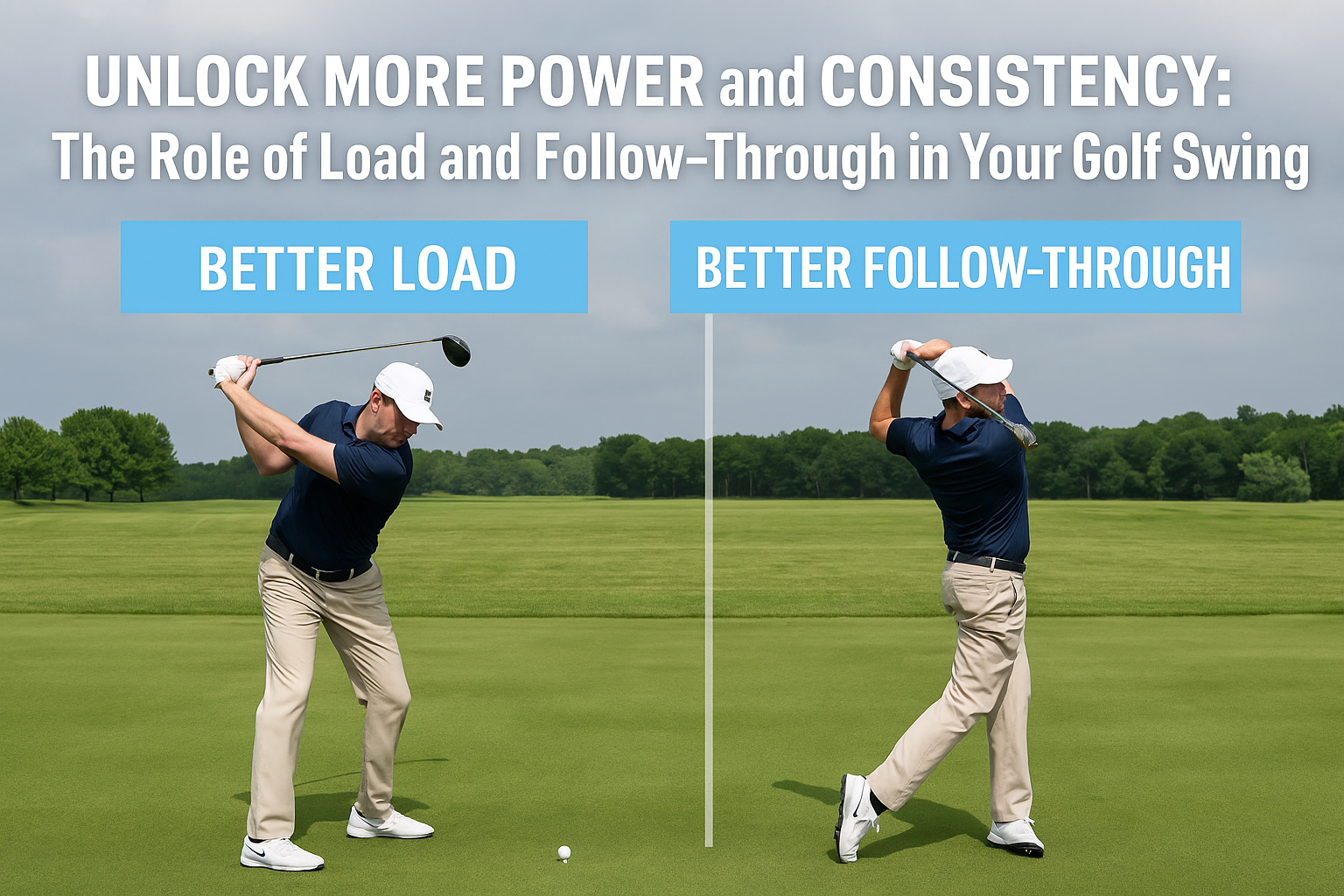
A good follow-through is more than just a finishing touch; it’s a fundamental part of your overall swing mechanics. It reflects your body’s movement and balance throughout the swing, influencing the ball’s trajectory and distance.
So, what does a good follow-through look like? Ideally, your body should be facing the target, with your weight shifted onto your front foot. Your arms should extend fully, and the club should finish high and around your body. This posture not only looks professional but also indicates that you’ve maintained the right form throughout your swing.
When your follow-through is on point, it can significantly impact your shot accuracy. Think of it as a guide; if your follow-through is consistent, your shots will be too. For instance, when you finish your swing with control and balance, the likelihood of hitting your target increases. If you’ve ever seen a golfer hit a perfect drive and then pose in their follow-through, that’s not just for show—it’s a sign of a well-executed swing.
Drills to Enhance Follow-Through
To really nail down your follow-through, you can practice some specific drills. Here are a few to consider:
- Slow Motion Swings: Take slow, deliberate swings focusing on your follow-through position. This helps you become more aware of your form.
- Finish Position Drill: After you hit the ball, hold your finish for a few seconds. This reinforces balance and the correct posture.
- Targeted Follow-Through: Set up targets at various distances. Practice aiming for those targets while maintaining your follow-through, paying attention to how different finishes affect your shots.
As you work on these drills, remember this: the follow-through is an extension of your swing, not just a mere formality. By focusing on it, you’ll not only improve your swing but also elevate your overall game. You’ll be surprised how much better your shots become when you ask yourself, “How do I improve my golf swing?” and take follow-through seriously.
Improving your golf swing isn’t just about hitting the range; it’s about how you practice. By incorporating effective drills and techniques, you’ll quickly see a difference in your game.
Utilizing Drills and Practice Techniques
Practicing the right way can lead to significant improvements in your swing. Focus on structured routines that reinforce good habits and utilize modern tools for immediate feedback.
Start by establishing an effective practice routine. Dedicate specific days to different aspects of your swing, like grip, stance, and follow-through. For example, spend one session solely focused on your backswing. You’ll find that concentrating on one element at a time helps solidify your overall technique.
Using technology can give you insights you might not notice on your own. Many golf apps and devices can analyze your swing in real time. They provide data on swing speed, angle, and even path, allowing you to make adjustments instantly. Imagine getting immediate feedback after each swing rather than waiting for a lesson with your coach!
Another powerful tool is visualization. Before you take a swing, picture the perfect shot in your mind. Visualizing not only boosts your confidence but also helps your body understand the mechanics of the swing. Try standing behind the ball and imagining the trajectory of your shot before you hit it. This mental preparation can make a huge difference on the course.
Practice Drills to Try
- Slow Motion Swings: Take a few swings at half-speed. This helps you focus on form and technique.
- Mirror Drills: Use a mirror to watch your stance and swing. This visual feedback reinforces proper positioning.
- One-Handed Swings: Practice swings using just your lead or trailing hand. This builds strength and control in your grip.
Remember, consistency is key. Set aside time each week to practice these drills, and you’ll be asking yourself, “How do I improve my golf swing?” You’ll be surprised at how quickly your skills can enhance with dedication and smart practice techniques.