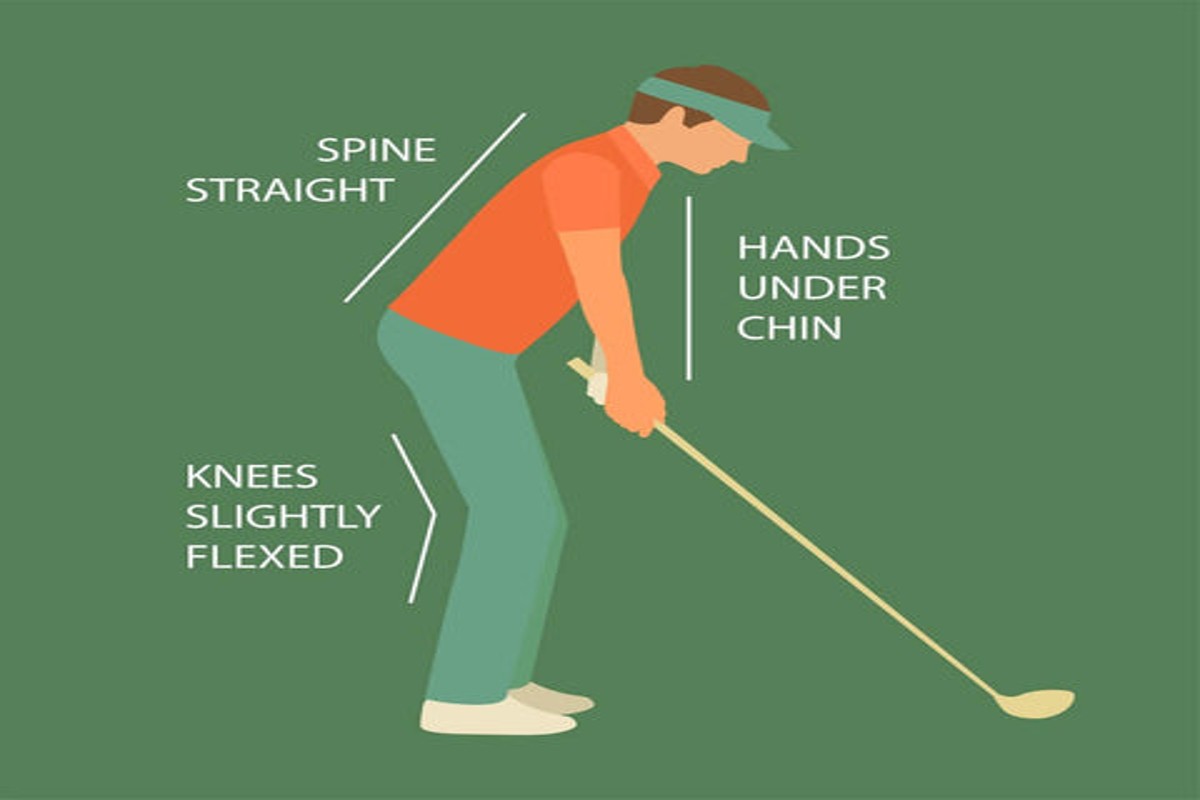
What is the correct golf stance? The correct golf stance refers to the proper positioning of your feet, body, and grip to ensure a balanced and effective swing. A good stance is crucial for maximizing power and accuracy in your shots.
For example, a stable stance can help you maintain balance throughout your swing, reducing the risk of mishits. Whether you’re a beginner or an experienced player, mastering your stance can lead to significant improvements in your game.
Getting your golf stance right is crucial for a powerful swing. You might be wondering, what is the correct golf stance? Let’s break down the basics to help you improve your game.

Understanding the Basics of Golf Stance
A proper golf stance sets the foundation for your swing. It involves your feet positioning, weight distribution, and body alignment, all working together to create balance and power.
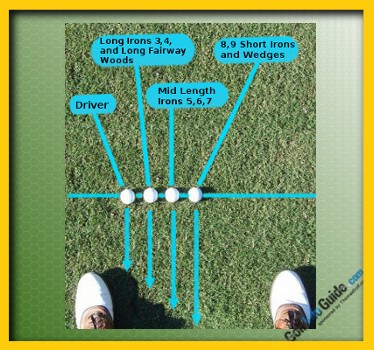
First up is feet positioning. Your feet should be shoulder-width apart. This creates a stable base, allowing for better weight transfer during your swing. If you’re hitting a driver, you might want to position the ball slightly forward in your stance to promote an upward angle of attack. A common mistake is standing too narrow, which can throw off your balance.
Next, let’s talk about weight distribution. Ideally, you want about 50% of your weight on each foot at address. However, as you swing, this will shift—most of your weight should shift to your back foot during your backswing and then to your front foot when you follow through. Think of it like a seesaw: balanced at the top but shifting weight as you move.
Body alignment is just as important. Your shoulders, hips, and feet should all be aligned parallel to the target line. If you’re aimed too far left or right, it can lead to slices or hooks. Stand behind the ball for a moment before you address it. Visualize your target and adjust your stance accordingly. This little trick can make a world of difference.
Here’s a tip: practice your stance in front of a mirror or record yourself. This way, you can see if your alignment and posture are correct. You might be surprised at what you discover!
Getting your stance right is crucial for a solid golf swing. One of the most important aspects is stance width, which can significantly affect your balance and swing mechanics.
Importance of Stance Width
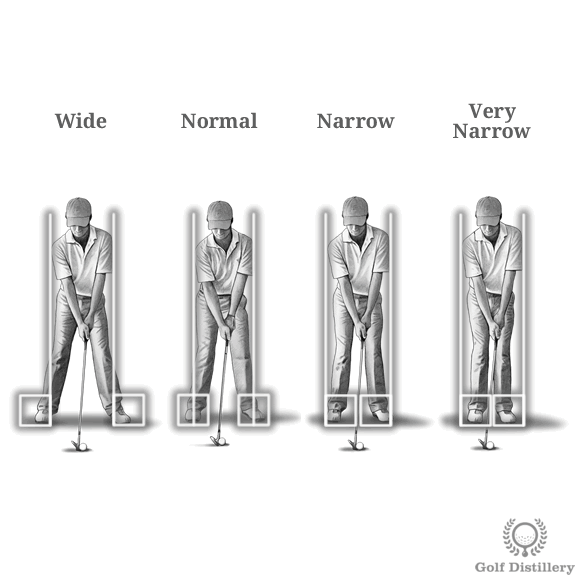
The width of your stance plays a vital role in your stability and overall swing effectiveness. A stance that’s too narrow can lead to instability, while a stance that’s too wide might hinder your swing’s fluidity.
When you stand with a narrow stance, you might feel light on your feet, but this can compromise your balance during the swing. You may find yourself swaying or shifting weight awkwardly, making it tough to make solid contact with the ball.
On the other hand, a wide stance can offer a more stable foundation. This can enhance your balance, especially during a powerful swing. However, if your stance is excessively wide, it might restrict your hip rotation, leading to a less effective swing path.
Balance Considerations
Balance is key in golf. Whether you’re hitting a driver or an iron, you need to maintain your center of gravity. A balanced stance helps you transfer your weight effectively during the swing, allowing for a more powerful impact.
Imagine you’re preparing for a drive. If your stance is too narrow, you might feel wobbly, and your swing could end up being more of a guess than a calculated move. Conversely, if your stance is too wide, you might struggle to shift your weight properly, which can reduce your swing speed.
Impact on Swing Mechanics
The mechanics of your swing can be dramatically altered by your stance width. A well-balanced stance allows you to execute a smooth, controlled swing. When your feet are positioned correctly, the energy generated from your legs can flow through your torso and into your arms, resulting in a powerful shot.
Consider a golfer who adopts a stance that’s just right—not too wide, not too narrow. They’ll likely find it easier to maintain their form through impact, leading to better accuracy and distance on their shots.
To find your ideal stance width, try adjusting your feet gradually. Start narrow, then move wider until you feel balanced and comfortable. Remember, the correct stance width can make a world of difference in your performance on the course.
Getting your foot positioning right is crucial for a solid golf stance. The angles and alignment of your feet can significantly impact your swing. Let’s break down how to set your feet for better performance.
Foot Positioning and Angles
Your foot positioning and angles are the foundation of a good golf stance. Proper alignment can help you achieve better balance and control during your swing.
First, let’s talk about the front foot angle. Your front foot should be angled slightly outward, generally about 15 to 30 degrees. This positioning helps open your hips, which allows for a smoother swing. Imagine you’re standing on a slight incline; that’s the kind of angle you want to maintain.
Next, focus on your back foot position. Your back foot should be perpendicular to your target line — think of it as a stable base. This alignment provides the necessary support as you shift your weight during your swing. If your back foot is too angled or off-balance, your swing may suffer.
Alignment with Target Line
Now, let’s get into alignment with the target line. Your feet should be parallel to the line you want the ball to travel on. This means standing with your toes pointing in the same direction as your target. When you align your feet correctly, it helps direct your swing and improves your aim.
Picture this: you’re on the course, preparing for a crucial shot. You take a moment to check that your front foot is angled just right, your back foot is steady, and your feet are aligned with your target. With that solid foundation, you feel more confident as you swing, knowing your stance supports your aim.
For an easy takeaway, practice your foot positioning at the driving range. Spend a few minutes focusing on the angles and alignment before hitting balls. You’ll find that a well-structured stance makes a world of difference in your game.
Your grip plays a crucial role in your golf stance, impacting not just your setup but also your overall performance. A proper grip can enhance your stability, control, and confidence on the course.

The Role of Grip in Stance
The relationship between your grip and stance is often underestimated. But how you hold the club can significantly influence your balance and posture, which are essential for a successful swing.
First off, grip pressure is key. If you’re squeezing the club too tightly, you might tense up and lose your natural rhythm. On the flip side, if your grip is too loose, you risk losing control. Finding that sweet spot is essential for a consistent swing.
Next, consider hand placement. Where you position your hands on the grip can change your body’s alignment and stance. For example, if your hands are too far forward, you may lean too much, affecting your balance. Conversely, if they’re too far back, you might stand too upright, which can also hinder your swing.
Lastly, your grip influences stance stability. A solid grip creates a strong connection between your hands and the club, allowing your body to stay aligned throughout your swing. Think of it like the foundation of a house; if the foundation is shaky, everything else will be too.
Imagine you’re on the tee, ready to take your shot. You notice that when you grip the club lightly, your stance feels wobbly. But as soon as you adjust to a firmer grip, your body feels more grounded and ready to execute that perfect swing. That’s how grip can transform your stance and enhance your game.
Pay attention to your grip the next time you’re on the course. Experiment with different pressures and hand placements to find what works best for you. Remember, mastering the correct golf stance starts with understanding how your grip sets the stage.
Adjusting your golf stance is essential for mastering various shots on the course. Each type of shot requires a unique approach, so understanding how to modify your stance will lead to better swings and improved performance.

Adjusting Stance for Different Shots
Different shots demand different stances to maximize your effectiveness. Whether you’re driving off the tee, hitting with your irons, or crafting a delicate short game shot, your stance plays a vital role in your success.
When you’re preparing for a drive, your stance should be wider than shoulder-width apart. This gives you the stability needed for that powerful swing. Bend your knees slightly and tilt from your hips to maintain balance. A good drive sets the tone for your game, so make sure you’re comfortable and confident in this position.
For your iron shots, you’ll want a slightly narrower stance. This helps with accuracy and control. Position the ball in the center of your stance and keep your weight balanced. This setup allows you to make solid contact with the ball, ensuring it flies straight and true. Picture this: you’re on the fairway, aiming for the green. A well-adjusted stance can be the difference between a par and a bogey.
Lastly, for the short game—like chipping or putting—you’ll want an even more compact stance. Stand closer to the ball and keep your feet together, which helps with precision. For putting, the key is to maintain a steady head and smooth stroke. The right stance can turn a tricky chip into an easy tap-in.
Remember, what is the correct golf stance for each shot? It varies, but the principle remains: alignment and balance are crucial. Take some time to practice these adjustments on the range, and you’ll notice a significant improvement in your overall game.
Golfers often overlook the importance of their stance, which can significantly impact their swing. Avoiding common mistakes can elevate your game and help you achieve a more powerful shot.
Common Stance Mistakes to Avoid
Getting your stance right is crucial for a successful golf swing. However, many golfers make simple errors that can throw off their performance. Let’s break down the most frequent stance mistakes you’ll want to steer clear of.
One major error is the over-rotation of the hips. When your hips rotate too much during your stance, it can lead to a poor swing path. This might leave you slicing or hooking the ball more than you’d like. Instead, focus on a controlled rotation that keeps your hips aligned with your target line.
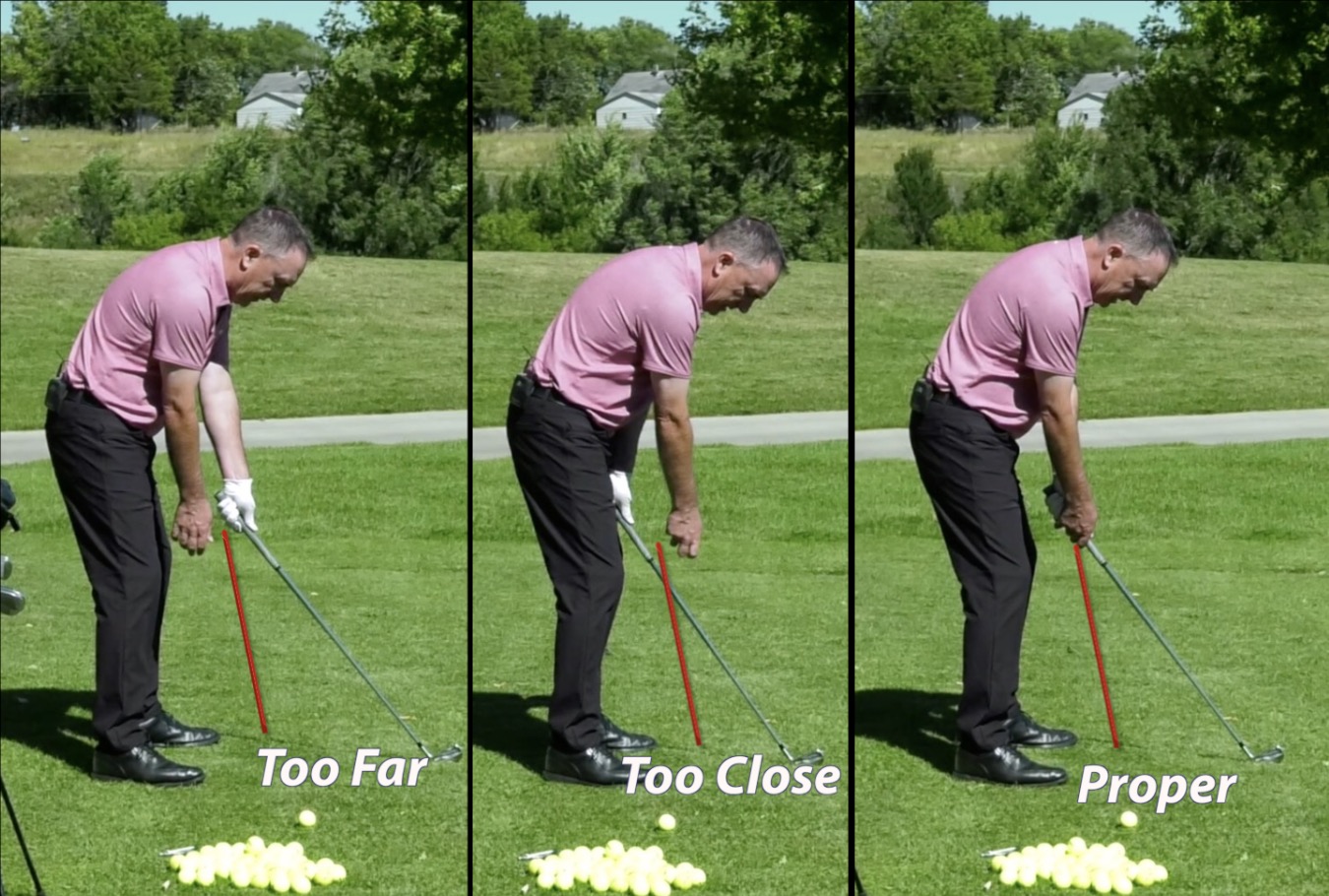
Next, incorrect weight distribution can really mess with your balance. If you lean too far forward or backward, you’ll struggle with consistency in your swing. A solid stance means having your weight evenly distributed, with a slight bias toward the balls of your feet. This balance will help you maintain stability throughout your swing.
Poor alignment is another common pitfall. If your feet, hips, and shoulders aren’t aligned with your target, you’re setting yourself up for failure. You might think you’re aimed at the hole, but in reality, you could be pointing in an entirely different direction. Take a moment before each swing to check your alignment—this small adjustment can make a big difference.
Imagine you’re on the course, ready to take a swing. You feel confident, but then you realize your hips are twisting too much, your weight’s all wrong, and you’re not even facing your target. Frustrating, right? Avoiding these mistakes can lead to better swings and lower scores.
Always remember to check your stance before a shot. A few seconds spent aligning your body properly can save you countless strokes on the green. So, the next time you ask yourself, “What is the correct golf stance?” think about these common mistakes and how to avoid them for a better game.