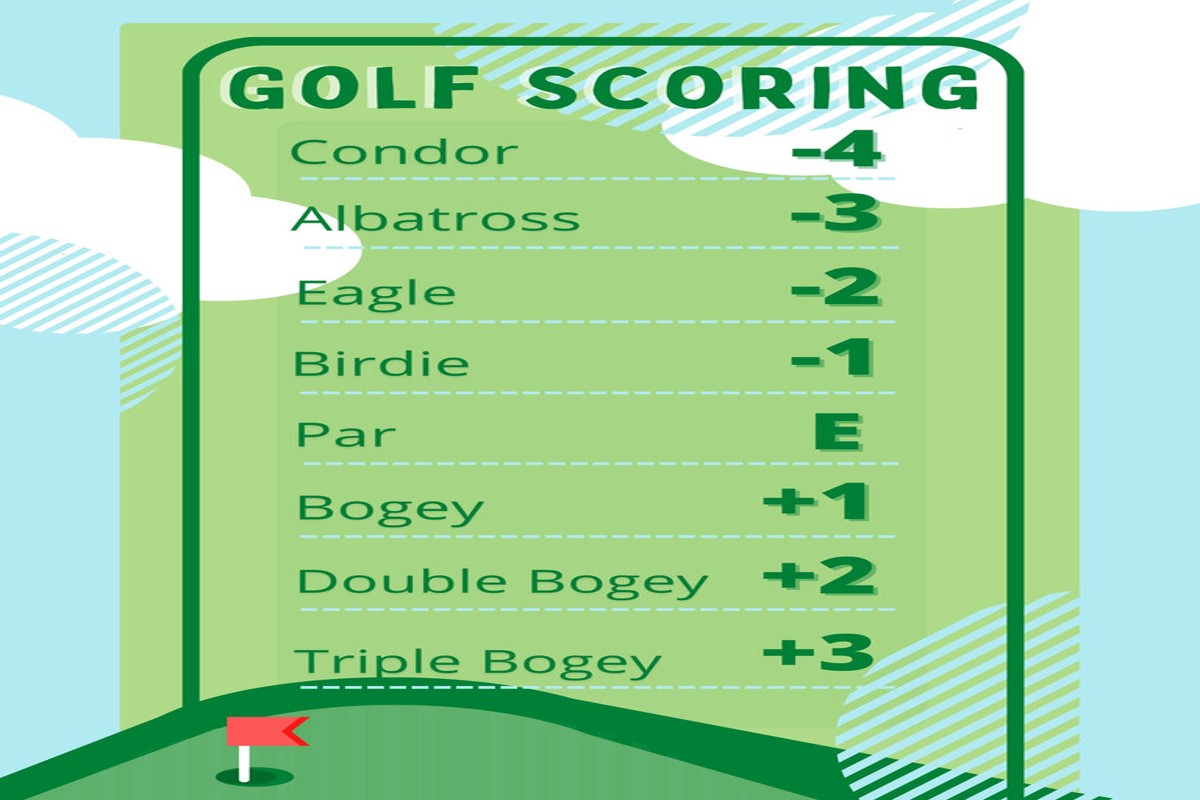
What is a birdie in golf? A birdie is when a golfer completes a hole one stroke under par, showcasing their skill and improving their score. It’s an important achievement that reflects a player’s ability to navigate the course effectively.
For example, if a hole is a par 4, scoring a 3 is a birdie. Birdies can help players lower their overall score and gain momentum during a round, making them a key goal for golfers at all levels.
When you hear someone mention a “birdie” in golf, they’re referring to a specific scoring achievement. It’s a term that adds a bit of excitement to the game, and understanding it can enhance your appreciation for golf.
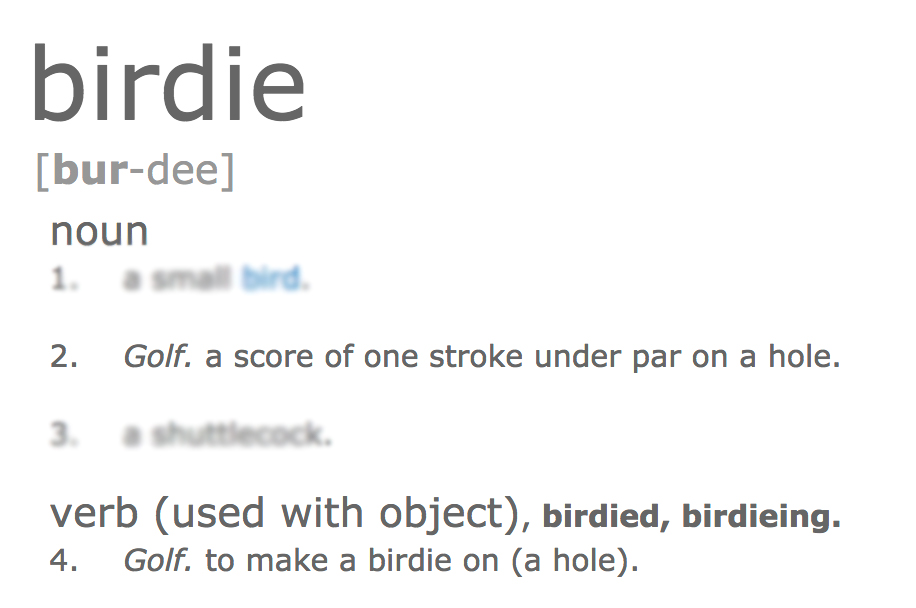
The Definition of a Birdie
A birdie happens when a golfer completes a hole one stroke under par. To truly grasp what this means, you first need to understand the concept of par.
Par is the number of strokes an expert golfer is expected to take to complete a hole. For example, if a hole has a par of 4, that means a skilled player is expected to take four strokes to finish it. If you manage to get the ball in the hole in just three strokes, you’ve scored a birdie!
Birdies fit into the overall scoring system of golf, which helps you gauge performance on the course. Scoring below par is always a good thing. The more birdies you rack up, the better your overall score will be. It’s a clear indicator of your skill and strategy on the course.
Examples of Birdie Situations
Let’s say you’re on a par 5 hole. If you take four strokes to reach the hole, you’ve scored a birdie. This situation often occurs when a golfer hits a long drive, makes a solid second shot, and then sinks a putt on the green. Conversely, if you make it in five strokes, you’ve just made par.
Another common birdie scenario is on a par 3 hole. If you manage to hit the green in one stroke and then putt it in with just one more stroke, you’ve achieved a birdie. These moments are what make golf exciting — they showcase skill, precision, and a bit of luck!
As you play or watch golf, keep an eye out for birdies. They not only elevate a player’s score but also add to the thrill of the game. Next time someone asks, “What is a birdie in golf?” you’ll be ready with a solid answer!
Birdies are more than just a nice statistic—they play a crucial role in your golf game. Understanding their significance can help you appreciate the strategy behind each swing.

Importance of Birdies in Golf
Birdies can drastically affect your overall score and can boost your confidence on the course. Let’s dive into why these small victories matter so much for golfers like you.
First and foremost, scoring a birdie means you’re playing better than par on a hole. This directly impacts your overall score, reducing your total and bringing you closer to your personal best. For instance, if you’re aiming for a score of 80, hitting a few birdies can push you toward that goal more quickly.
But it’s not just about the numbers. Birdies can also provide significant psychological benefits. When you score one, it can give you a boost of confidence, making you feel more capable and focused. This positive mindset can carry over to the next holes, encouraging you to play even better.
On the competitive side, scoring birdies can provide you with a strategic advantage over your opponents. If you’re in a tournament setting, every birdie can shift the momentum in your favor. Your competitors may feel the pressure when they see you racking up these lower scores, which might affect their performance.
Consider a scenario where you’re playing a friendly match with friends. If you manage to snag a birdie on a challenging par-4 hole, not only do you lower your score, but you also impress your friends and shift the energy of the game. That feeling of accomplishment is contagious, and it can create an exciting atmosphere.
So, every time you step up to the tee, remember the potential impact of birdies. They don’t just help your score; they boost your confidence and give you an edge in competition. Embrace those moments when you can score a birdie and watch how they transform your game.
Scoring a birdie in golf can feel like hitting the jackpot. With the right strategies and preparation, you can increase your chances of achieving this impressive feat.
How to Achieve a Birdie
Getting a birdie isn’t just about luck; it requires skill and smart choices on the course. Here are some essential tips to help you lower your score and snag that elusive birdie.
First up is choosing the right club. The club you select can make a significant difference in your approach to the green. For instance, if you’re within 150 yards of the hole, a well-struck 7-iron might be your best bet to ensure accuracy. Know your distance and how far you can hit each club, and don’t be afraid to experiment during practice rounds.
Course Management Strategies
Understanding the layout of the course can help you make informed decisions. Study the course map before you play. Look for areas to avoid, like bunkers or water hazards, and plan your shots accordingly. Positioning yourself well can set you up for an easier approach to the hole.
Another strategy is to play to your strengths. If you’re better at long drives, focus on setting yourself up for a good second shot rather than trying to reach the green in one. For example, if you can easily clear a dogleg, use that to your advantage. Remember, it’s not always about taking the shortest route!
Practice Drills
Drills can sharpen your skills and boost your confidence. Practice your putting from various distances, especially within 10 feet, since this is where most birdie putts occur. Try the “Around the World” drill, where you place balls at different spots around the hole and make each putt in succession.
Additionally, work on your chipping and pitching. The closer you can get to the hole with your short game, the easier your birdie chances become. A solid chip can set you up for a straightforward putt, making it easier to ensure you’re asking, “What is a birdie in golf?” with excitement rather than confusion.
Remember, achieving a birdie is about smart play and practice. Keep refining your skills, stay patient, and the birdies will start rolling in!
When you’re out on the golf course and hear someone mention a birdie, it’s important to understand how it stacks up against other scores. Knowing the difference between birdies, pars, bogeys, and eagles can make your game more enjoyable and help you track your progress.
Birdies vs. Other Scores
In golf, scores are all about how many strokes it takes to complete a hole compared to a standard called par. A birdie is when you finish a hole one stroke under par, while other scores like bogeys and eagles represent different performance levels.
Now, let’s break these down a bit more. A par is the expected number of strokes for a hole. For example, if a hole is a par 4, you should ideally take four strokes to finish. If you finish in three strokes, that’s a birdie. You’re playing better than expected!
Understanding Bogeys
On the flip side, a bogey is when you take one more stroke than par to complete a hole. So, sticking with our par 4 example, if you finish in five strokes, you’ve scored a bogey. It’s not ideal, but it’s part of the game. Everyone has those days!
What is an Eagle?
An eagle takes things up a notch. You score an eagle when you finish a hole two strokes under par. So, if that same par 4 hole is finished in just two strokes, congrats! You’ve just hit an eagle. Those are the moments that make golf so thrilling.
When you’re keeping track of your scores, think of them as a fun way to measure your improvement. Try aiming for birdies and eagles, but don’t let bogeys get you down. Every golfer has ups and downs, and that’s part of what makes the game challenging and rewarding.
Birdies have become synonymous with great moments in golf, often marking turning points in tournaments. Understanding these memorable shots can give you a deeper appreciation for the game’s history.

Famous Birdies in Golf History
Throughout golf’s rich history, legendary players have made unforgettable birdies that not only showcased their skill but also impacted the outcome of significant tournaments.
Take Tiger Woods, for instance. In the 2005 Masters, he made a stunning birdie on the par-3 16th hole, famously known as “the shot.” This moment is etched in golf lore, showcasing Woods’ ability to perform under pressure. That birdie helped him secure his fourth green jacket, proving just how pivotal such moments can be.
Another memorable instance occurred during the 1997 Masters when Woods, just 21 years old, made an incredible birdie on the 15th hole. His performance not only shocked the golf world but also set the stage for his historic victory. It was a moment that defined a generation of golfers.
Phil Mickelson has also had his share of magical birdies. During the 2004 Masters, he finally broke through with a birdie on the 18th hole to win his first major. This birdie didn’t just clinch the victory; it marked the start of a new era in his career, demonstrating how a single shot can change everything.
Even lesser-known players have made their mark with unforgettable birdies. In the 2010 PGA Championship, Martin Kaymer made a crucial birdie on the 18th hole, leading him to his first major win. That moment emphasized the unpredictability of golf and how anyone can shine when it counts the most.
These birdies not only reflect the skill of the players but also create lasting memories for fans. Each shot carries with it the weight of the tournament, the history of the game, and the emotions of the crowd. You never know when a birdie will turn the tide in a match!
Next time you’re watching a tournament, pay attention to those birdies—they could be the moments that define a player’s legacy. Understanding “what is a birdie in golf?” helps you appreciate the thrill of the game and the excitement it brings to both players and fans alike.
Tracking your birdies is a great way to see your progress in golf and keep your motivation high. By paying attention to your birdies, you can pinpoint areas to improve and set achievable goals.
Tracking Birdies in Your Game
Whether you’re a seasoned pro or just starting out, keeping track of your birdies can enhance your game. There are several effective methods to monitor your performance and make adjustments as needed.
First up, scorecards are your best friend. When you play a round, make sure to write down your scores on each hole, especially if you score a birdie. This not only helps you keep a running tally but also allows you to reflect on how you got there. For example, if you secured a birdie on a par 4, jot down what worked—was it a great drive, a precise approach, or a stellar putt?
Next, consider using apps and digital tools designed for golfers. Many apps offer features to track your scores, including birdies, and analyze your performance over time. Some popular options include Golfshot, 18Birdies, and TheGrint. These tools can provide insights into your overall game, helping you identify trends and areas for improvement.
Setting Personal Birdie Goals
Setting birdie goals can keep you focused and motivated. Think about how many birdies you want to achieve in a season or even during a single round. Start small, especially if you’re new to the game. If you usually get one birdie per round, aim for two in your next few rounds. This incremental approach can boost your confidence and help you stay engaged.
- Use a scorecard to track birdies and reflect on your performance.
- Leverage golf apps for detailed insights and statistics.
- Set realistic birdie goals to maintain motivation.
So, get started with tracking your birdies today! You’ll not only improve your game but also enjoy the thrill of watching your skills develop over time. Remember, every birdie counts!