How do you hit a draw in golf? A draw is a shot that curves slightly from right to left for right-handed golfers. Mastering this shot can enhance your control and distance on the course.
Many golfers struggle with consistency in their shots, and learning to hit a draw can improve accuracy. Picture yourself on the tee box, confidently shaping your shot to navigate around obstacles and land on the fairway.
A draw shot is a powerful tool in your golfing arsenal. It can help you navigate tricky courses and set up better angles for your next shot.
Understanding the Draw Shot
A draw shot is a type of golf shot where the ball curves gently from right to left (for right-handed players). Mastering this shot can give you an edge on the course, allowing for increased distance and accuracy.
One of the main advantages of hitting a draw is the added distance it can provide. The ball typically rolls out more after landing, helping you gain those extra yards. Additionally, a draw can be more forgiving on mis-hits, allowing you to still find the fairway even when you’re not at your best.
However, there are some misconceptions about draw shots that might hold you back. Many golfers believe that a draw is only for advanced players, but that’s not true. Anyone can learn to hit a draw with the right technique. Others think that a draw is the only way to play, but it’s just one of many useful shot shapes.
Common Misconceptions
- A draw is only for experienced players.
- You need to have a perfect swing to hit a draw.
- A draw is the best shot for every situation.
To start hitting a draw, focus on your grip and stance. Try adjusting your grip slightly to the right and align your body to the left of your target. You might be surprised at how quickly you can start curving that ball.
Hitting a draw can transform your golf game, giving you more distance and control. Adjusting your grip and setup is crucial to mastering this shot. Let’s dive into the specifics.
Grip and Setup for a Draw
To hit a draw, you need to tweak your grip and stance. These adjustments help promote the right swing path and clubface angle at impact.
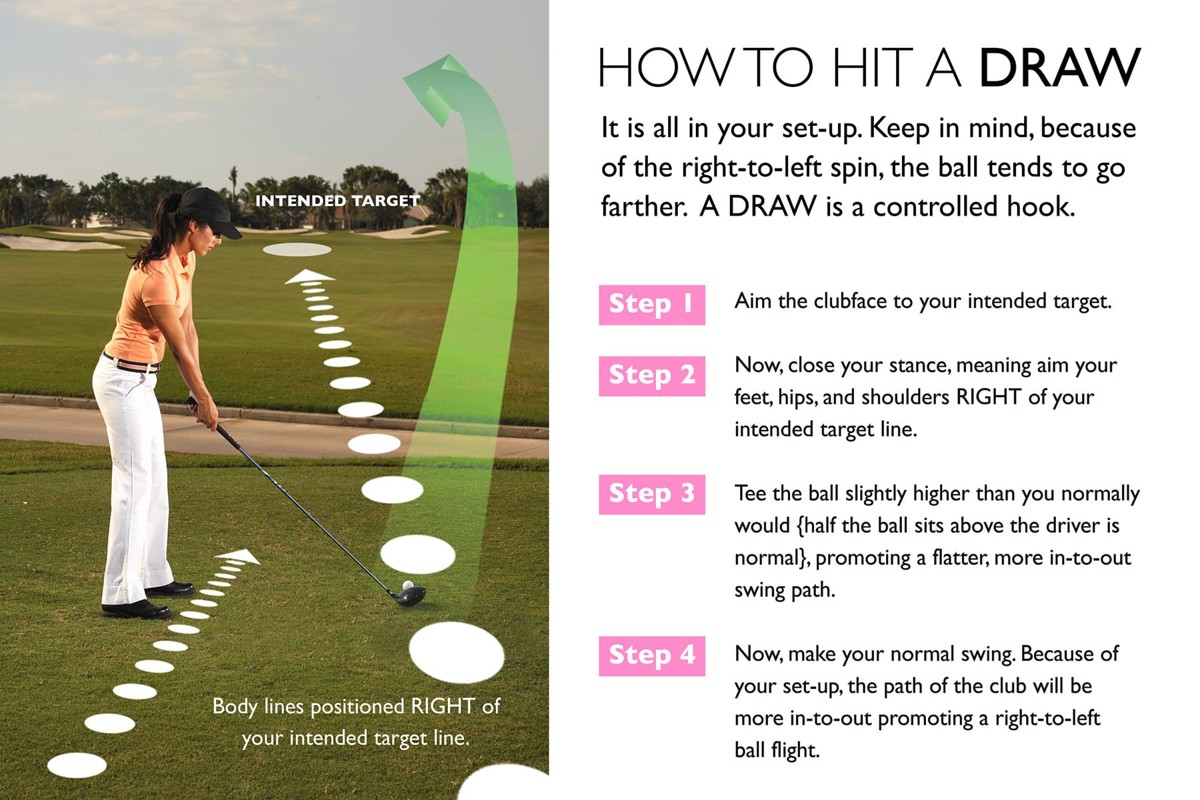
First, let’s talk about grip technique. To encourage a draw, strengthen your grip by rotating your hands slightly to the right (for a right-handed golfer). This means you should see more knuckles on your left hand when you look down at your grip. A stronger grip helps close the clubface at impact, promoting that desirable right-to-left ball flight.
Next, stance alignment plays a key role. Aim your body slightly to the right of your target. This will help you swing on an inside-out path, which is vital for creating a draw. You might feel a bit awkward at first, but it’s a great way to get the clubface to meet the ball with the right angle.
Another important factor is ball position. For a draw, you should position the ball slightly back in your stance, closer to your right foot. This adjustment helps ensure that the clubface is slightly closed at impact, reinforcing the draw spin.
Imagine you’re on the course, facing a tricky dogleg left. With your adjusted grip, aligned stance, and proper ball position, you confidently execute a draw. The ball curves beautifully around the corner, landing perfectly in the fairway. That’s the power of these adjustments!
Remember, practice makes perfect. Spend time on the range experimenting with these grip and setup changes. Before long, you’ll be answering the question, “How do you hit a draw in golf?” with ease and confidence.
When it comes to hitting a draw in golf, your swing path is everything. Making adjustments to your swing path can set you on the right track to mastering this shot.
Swing Path Adjustments
To successfully hit a draw, you need an inside-out swing path. This means your club should travel from inside the target line at the start of your swing to outside the target line at impact. It sounds simple, but getting the angles right can take practice.
To practice this swing path, find a range with alignment sticks or use clubs as guides. Set one stick down your target line and another parallel to it, pointing slightly to the right. As you swing, ensure your clubhead approaches the ball from the inside of the stick closest to you and moves outward, allowing for that desirable draw.
Common Swing Errors to Avoid
Many golfers struggle with swinging too far outside-in, which results in slices instead of draws. If you find yourself consistently pushing the ball to the right, it might be time to reevaluate your stance and grip, as these can also influence your swing path.
Another common mistake is over-rotating your shoulders during the swing. This can lead to a loss of control and prevent you from achieving that inside-out trajectory. Focus on keeping your shoulders more level and rotating through the shot without excessive movement.
Imagine you’re on the course with your friends, and you’re all trying to see who can hit the best draw. As you set up, remember to visualize your swing path and commit to that inside-out motion. With practice and patience, you’ll soon be answering the question, “How do you hit a draw in golf?” with confidence.
When it comes to hitting a draw in golf, understanding clubface positioning is crucial. The angle of your clubface at impact can make or break your ability to achieve that desirable right-to-left ball flight.

Clubface Positioning
Getting your clubface angle right is essential for executing a draw. Ideally, your clubface should be slightly closed relative to your swing path at impact. This set-up helps you generate the right spin on the ball, promoting that beautiful draw.
The clubface angle influences how the ball spins. A closed clubface at impact creates counter-clockwise spin on the ball, which is key for a draw. If your clubface is open, you’ll likely end up slicing the ball instead. You want to feel the face pointing slightly left of your target while your path swings to the right.
Drills to Improve Clubface Control
Improving your clubface control can significantly enhance your ability to hit a draw. Here are a few effective drills you can practice:
- Alignment Stick Drill: Place an alignment stick on the ground pointing towards your target. Set another stick behind your ball at a slight angle to encourage a closed clubface. This visual aid helps you understand the correct positioning.
- Impact Bag Drill: Use an impact bag to practice your swing. Focus on striking the bag with a closed clubface. This will help reinforce the feel of the clubface angle you need for a draw.
- Mirror Drill: Stand in front of a mirror and practice your swing. Pay attention to your clubface angle at the top of your backswing and at impact. Adjust as needed to ensure that you’re closing the face correctly.
To really master this skill, try visualizing your ball flight before you hit. Picture it starting right of your target and curving back to the left. With practice, you’ll find that hitting a draw becomes second nature, and you’ll be answering the question, “How do you hit a draw in golf?” with confidence.
Practicing the draw shot can seem tricky, but with the right drills and techniques, you’ll be hitting those beautiful hooks in no time. Focusing on your alignment and creating a structured practice routine can make a big difference in your performance on the course.
Practicing the Draw Shot
To master the draw, you’ll need to develop a feel for the shot. This means understanding your grip, stance, and swing path. By incorporating specific drills into your practice, you can build muscle memory and gain confidence.
One effective drill is the “Two Tee Drill.” Place two tees in the ground, one directly in line with your target and the other slightly to the right (for a right-handed golfer). This setup encourages an inside-out swing path, essential for hitting a draw. As you practice, focus on making contact with the ball while following through towards the first tee.
Alignment aids can also enhance your practice sessions. You can use alignment sticks or even just clubs laid on the ground to help visualize your target line. Position one stick along your intended target line and the other parallel to your feet. This setup helps you ensure your body is aligned correctly to encourage that right-to-left ball flight.
Creating a Practice Routine
Establishing a consistent practice routine is crucial. Dedicate specific time to work solely on your draw shots. Start with short wedges and gradually progress to longer clubs as you gain confidence. For instance, if you hit a great draw with a pitching wedge, try switching to your 7-iron and see if you can replicate the same feel.
Consider incorporating visualization techniques into your routine as well. Before each shot, picture the ball’s path curving just the way you want it. This mental practice can significantly impact your physical performance on the course.
Remember, hitting a draw consistently takes time and patience. Keep track of your progress, and don’t hesitate to mix up your drills. The more you practice, the more natural the draw will feel. So, next time someone asks, “How do you hit a draw in golf?” you’ll have the answer and the skills to back it up!
Hitting a draw can be tricky, and many golfers face common hurdles along the way. Understanding these issues will help you refine your technique and boost your confidence on the course.

Troubleshooting Common Issues
When trying to hit a draw, confusion often arises between a slice and a draw. Plus, if you’re dealing with hooks or pulls, it can throw off your entire game. Let’s dive into these common problems and how to fix them.
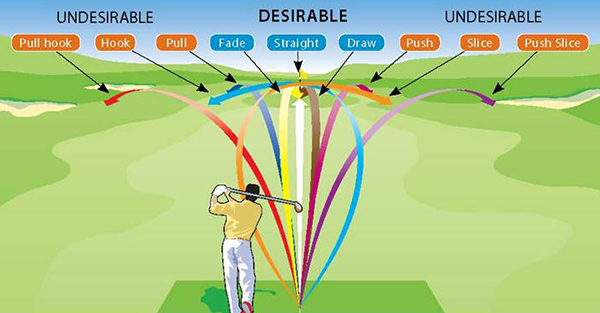
First off, many golfers mistakenly think they’re hitting a slice when they’re actually just not executing a proper draw. A slice typically curves dramatically to the right (for right-handed players), while a draw gently moves to the left. If you’re seeing a severe right-to-left curve, you might be over-compensating or misaligning your grip. Try aligning your body a bit more to the right to help encourage that draw shape.
Next, let’s tackle hooks and pulls. If you find that your ball is consistently hooking or pulling, it’s likely due to your clubface being closed at impact. This can happen if you grip the club too tightly or if your swing path isn’t aligned correctly. Focus on a relaxed grip and work on keeping your clubface square during your swing. Practicing with alignment sticks can help you visualize the right path.
Lastly, inconsistent results can be frustrating. One day you’re nailing that draw, and the next, it’s all over the place. This inconsistency is often due to changes in your setup or swing mechanics. Make sure your stance, grip, and alignment are the same every time you approach the ball. It might help to record yourself during practice to spot any deviations in your technique.
For example, imagine you’re on the course, and your buddy hits a perfect draw while you’re struggling with a slice. Instead of getting frustrated, observe their setup. Are they standing differently? Is their grip more relaxed? Use these insights as a guide for your next shot.
Remember, mastering the draw takes practice and patience. Focus on one issue at a time, and don’t hesitate to seek feedback from a coach or a more experienced golfer. The more you understand how do you hit a draw in golf, the more success you’ll see on the course.