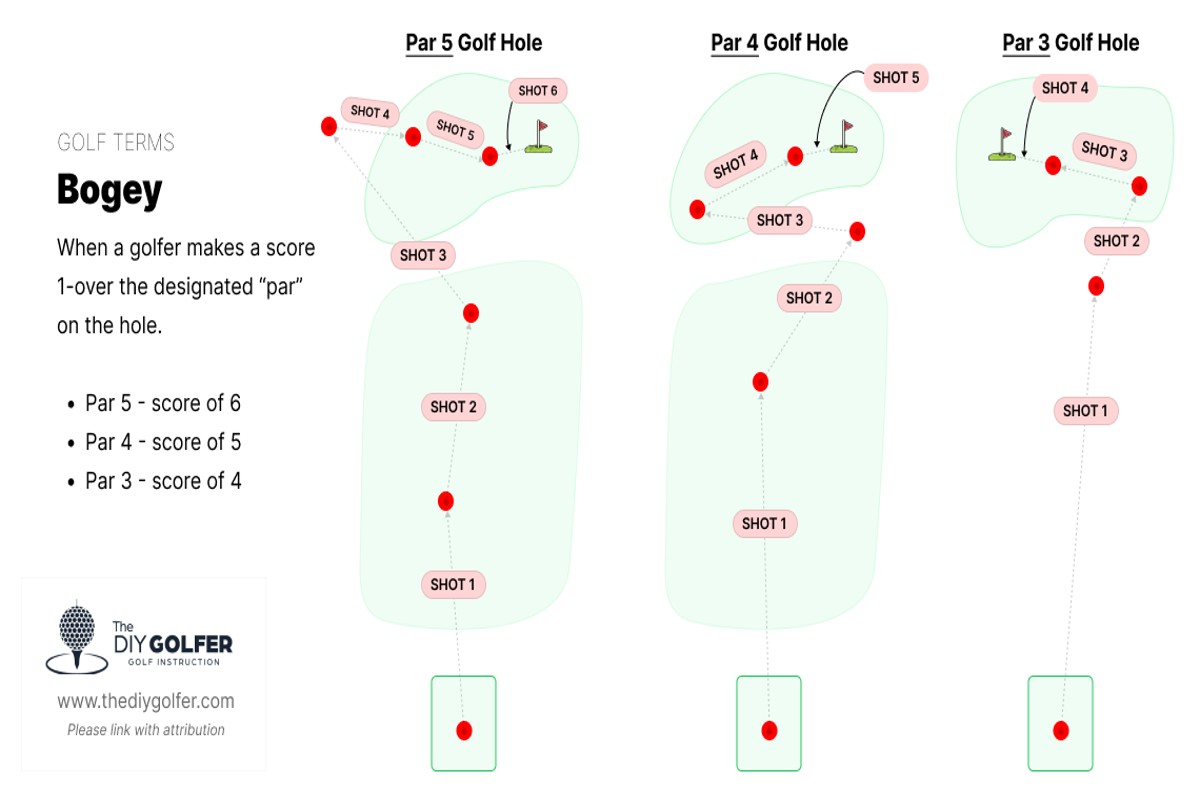
What is a bogey in golf? A bogey is a score that is one stroke over par on a hole. It’s an important term in golf that reflects a player’s performance and can impact overall scoring.
For example, if a hole is a par 4 and a player completes it in 5 strokes, they have made a bogey. Understanding bogeys helps players track their progress and improve their game.
When you’re out on the golf course, understanding the scoring system is key to enjoying the game. One term you’ll hear often is “bogey,” and grasping what it means can help you keep track of your performance.

Definition of a Bogey in Golf
A bogey in golf refers to a score that is one stroke over par for a given hole. It’s a common term used to describe how well or poorly a golfer performs compared to the expected standard.
To understand a bogey, you first need to know about par. Par is the number of strokes an expert golfer is expected to take to complete a hole or a round. For example, if a hole is a par 4, a player ideally should finish using four strokes. If you take five strokes, congratulations, you’ve made a bogey!
Calculating a bogey is straightforward. If you score one stroke over par, that’s a bogey. So, if you play a par 3 hole and take four strokes, that’s also a bogey. It indicates that you didn’t quite reach the par but weren’t far off, which is a common scenario for many golfers.
Now, let’s look at some contexts for bogey scoring. You might find yourself in a friendly match with friends, where a bogey doesn’t feel too bad. Alternatively, in a competitive tournament, making a bogey might feel like a bigger setback, especially if you’re aiming for the best score. Each situation can influence how you perceive that one extra stroke.
Here’s a real-world example: Imagine you’re playing a round, and you reach a par 5 hole. You take six strokes to get the ball in the hole. That’s a bogey. While it may not be the best score, it’s still a manageable outcome, especially if you can bounce back on the next hole.
So, when you hear someone say, “I made a bogey,” they’re simply sharing that they took one stroke more than par. Understanding this term can help you appreciate the game’s nuances and improve your own play. Keep an eye on your scores and see how often you hit that bogey mark!
Understanding what a bogey in golf means can really change how you approach the game. It’s not just a term; it plays a significant role in your overall score and performance. Let’s dive into why bogeys matter for every golfer.

The Importance of Bogeys in Golf Scoring
Bogeys can have a big impact on your total score, and recognizing this can help you strategize better on the course. Knowing how bogeys fit into the bigger picture of your game helps you stay focused and improve over time.
When you make a bogey, you’re essentially one stroke over par for that hole. This means if you’re aiming for a lower score, a bogey can feel like a setback. But don’t forget, every golfer makes bogeys! Even the pros do, and understanding that can help keep your head in the game.
Now, let’s compare bogeys with birdies and pars. A birdie is one stroke under par, while a par is the expected score for that hole. So, if you make a par, you’re on track, but a birdie gives you a nice boost. Here’s how they stack up:
- Birdies: A great score to aim for; they can lift your overall confidence.
- Pars: Ideal for consistency; they keep your score manageable.
- Bogeys: Regularly making them can indicate areas for improvement in your game.
Tracking your bogeys over time is crucial for improvement. If you notice a pattern, like consistently bogeying the same type of hole, it’s a sign you should adjust your strategy. Maybe you need to practice your short game or reconsider how aggressive you’re being on those tricky holes.
For example, let’s say you’re playing a course with several par 4s. If you find yourself making bogeys more often than not on these holes, it might be time to examine your tee shots or approach plays. You might discover that you’re too aggressive off the tee, which leads to trouble. Making small adjustments can turn those bogeys into pars or even birdies!
Understanding bogeys is all about perspective. They’re part of the game and can teach you valuable lessons. Embrace them, learn from them, and watch your scores improve over time.
Reducing the number of bogeys you make on the course can significantly improve your overall game. Here are some effective strategies that can help you avoid those frustrating strokes.

Strategies for Avoiding Bogeys
By focusing on key areas of your game, you can lower your bogey count and boost your confidence. Let’s break down some actionable tips that target tee shots, approach shots, and short game skills.
First off, improving your tee shots can set the tone for your hole. When you start strong, you give yourself a better chance to navigate the rest of the hole successfully. Focus on your grip and stance, making sure you’re comfortable and balanced. Practicing with alignment aids can also help you hit straighter shots more consistently.
Mastering Approach Shots
Your approach shot is crucial when it comes to reaching the green in regulation. Aim for a solid understanding of the distances you can hit with each club. This will help you make smarter choices on the course. Consider using a rangefinder to get precise yardages to flags and hazards. This knowledge will help you avoid risky shots that could lead to bogeys.
Next, let’s talk about enhancing your short game skills. Putting and chipping can make or break your score. Spend time on the practice green, working on different lies and slopes. The more comfortable you are with these shots, the less likely you’ll find yourself in trouble. For example, if you’re faced with a tricky downhill putt, knowing how to read the green can save you strokes.
Lastly, remember that practice makes perfect. Set aside time to work on these areas and track your progress. By honing your skills, you’ll not only reduce your bogeys but also enjoy your time on the course more. Every stroke counts, and you’ll thank yourself when you see those scores drop.
When you’re on the golf course, scoring a bogey can be frustrating. Understanding what leads to these extra strokes can help you improve your game.
Common Reasons for Scoring a Bogey
There are several common pitfalls that can contribute to scoring a bogey. By addressing these mistakes, you can lower your score and enhance your overall performance on the course.
One major reason you might find yourself racking up bogeys is a lack of course management. You might rush into shots without considering the layout of the hole or the conditions. For example, if you try to reach a par 5 in two shots but end up in a bunker, you’ll likely add strokes. Taking a step back to evaluate your strategy can make a big difference.
Inconsistent putting is another key factor. You can hit the ball perfectly from the tee, but if your putts are off, you’ll still struggle. Imagine hitting the green in regulation only to three-putt from 15 feet. That’s a frustrating way to turn a good hole into a bogey.
Then there’s poor shot selection. Sometimes, you may feel tempted to go for the big shot instead of playing it safe. Maybe you think you can clear that water hazard, but a misjudged swing leads to a splash. Choosing the right club and playing smart can help you avoid unnecessary mistakes.
Next time you hit the course, keep these common issues in mind. By refining your course management, sharpening your putting, and making smarter shot selections, you’ll reduce the chances of scoring a bogey and enjoy more successful rounds.
Understanding how a bogey is scored in different golf formats can enhance your game and strategy. Each format has its unique approach to scoring, and knowing these nuances can make a difference in your performance.
Bogey in Different Golf Formats
The concept of a bogey varies significantly between stroke play, match play, and team formats. Each method brings its own flavor to the game, affecting how you might approach making a bogey.
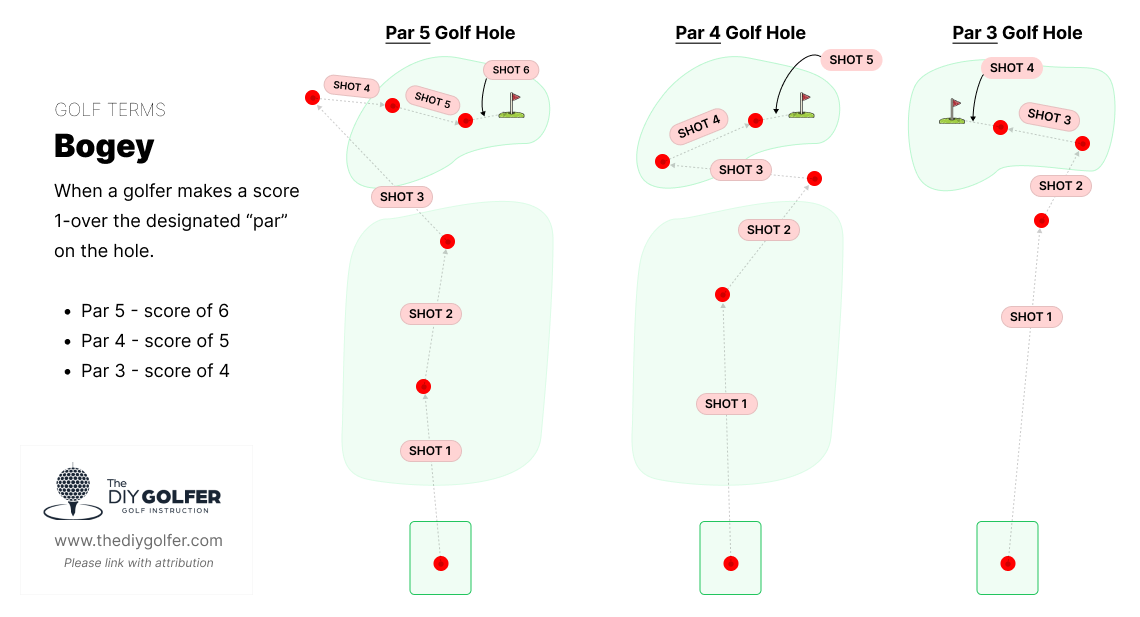
In stroke play, every stroke counts, and a bogey is simply one shot over par for a hole. If you’re playing in a tournament or just for fun, you’ll need to keep track of your total score throughout the round. Imagine you’re on a par 4 hole and you take 5 strokes to get to the hole—that’s a bogey.
Match play, on the other hand, focuses on winning individual holes rather than the overall score. Here, a bogey can impact your chances of winning a hole. If your opponent makes par and you score a bogey, you lose that hole. The pressure can be intense, especially in a tight match!
Bogey Golf Competitions
Bogey golf competitions provide a unique twist where players aim to score a net bogey or better on each hole. This format levels the playing field by allowing golfers of all skill levels to compete. You might find yourself strategizing to keep your score as close to par as possible while still aiming for the best overall performance in the tournament.
Team Formats and Their Scoring
In team formats like best ball or scramble, scoring can get a bit more complex. A bogey from one player may not be a big deal if your teammate scores well. In a scramble, the best shot is selected, so if one player scores a bogey, the team might still save par or better with the other player’s shot.
Understanding these different contexts for scoring a bogey can help you adapt your game. Whether you’re playing casually or in a competitive setting, knowing how a bogey impacts your score can guide your strategy and mindset throughout the round.
The term “bogey” in golf has a rich history that dates back over a century. Understanding its origins and evolution can help you appreciate the game even more.
Historical Context of Bogeys in Golf
The word “bogey” originally referred to a mythical golfer in the late 19th century. This fictional character was considered the perfect player, setting the standard for scoring on the course.
In the beginning, golfers aimed to beat this mythical figure. The term evolved over time, and by the early 1900s, shooting one stroke over par became known as a “bogey.” This change reflected the growing structure of golf as a competitive sport.
As golf continued to develop, so did the language surrounding it. Scoring terms like “birdie” (one under par) and “eagle” (two under par) emerged, creating a hierarchy of achievement in the game. Bogeys became a common term for less experienced players who were still getting the hang of the sport.
The influence of bogeys on modern golf can’t be overstated. They represent a benchmark for improvement, urging players to strive for better scores. Today, many golfers use bogeys as a way to gauge their progress during a round, mixing in a bit of strategy to avoid them.
Imagine you’re on the 9th hole, and you know you usually score a bogey there. You might decide to play it safe, focusing on your accuracy to avoid that extra stroke. Understanding the term “bogey” in golf gives you insight into not just scoring but also strategy.
Next time you’re on the course, remember that every bogey is an opportunity to improve. Embrace the challenge, and you’ll find yourself enjoying the game even more.