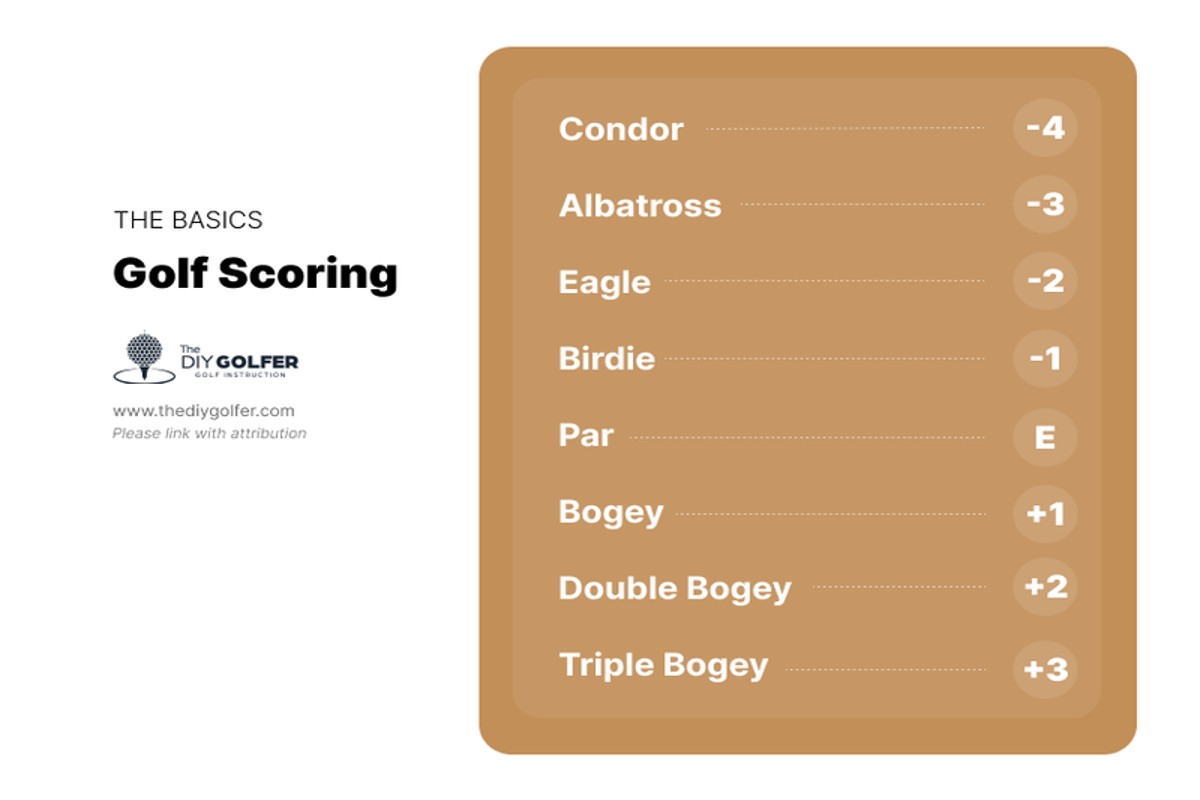
What is an eagle in golf? An eagle is a score of two strokes under par on a hole, showcasing exceptional skill and performance. Achieving an eagle is a significant accomplishment that can boost a player’s confidence and affect their overall score.
For example, if a golfer completes a par 5 hole in just 3 strokes, they’ve made an eagle. This rare feat often involves strategic play and precise execution, making it a highlight in any round of golf.
When it comes to golf scoring, you might hear the term “eagle” tossed around. But what does it actually mean? Let’s dive into the definition and its significance in the game.

The Definition of an Eagle in Golf
An eagle in golf is when a player completes a hole two strokes under par. For example, if a hole is a par 4, finishing it in just 2 strokes earns you an eagle. It’s a significant achievement and showcases a player’s skill and precision.
To understand eagles better, it helps to compare them with other common terms in golf scoring. The term “par” refers to the standard number of strokes that an expert golfer is expected to take to complete a hole. A “birdie,” on the other hand, is one stroke under par. So, if you’re looking at a par 4 hole, a birdie would be a score of 3, while an eagle would mean scoring just 2.
Many people confuse an eagle with a hole-in-one. Though both are celebrated accomplishments, they’re quite different. A hole-in-one occurs when a player gets the ball in the hole on the first shot, regardless of the par. An eagle, however, requires you to finish the hole in fewer strokes than par, which may not always happen with just one shot.
Common Misconceptions
- Some think that an eagle is the same as a hole-in-one.
- Others may believe that scoring an eagle is only possible on short holes.
- Many don’t realize that eagles can occur on longer par 5 holes as well.
Next time you’re out on the course, keep an eye out for those eagle opportunities. They can happen more often than you think, especially on par 5s where players can reach the green in two strokes with a good drive and an accurate second shot. Keep practicing, and who knows, you might just score one yourself!
Scoring an eagle in golf is one of the most exciting achievements a player can experience. It not only boosts your score but also elevates your confidence on the course.
How Eagles Impact Golf Scores
Eagles are significant because they can dramatically lower your overall score. When you sink a shot two strokes under par, it’s like hitting the jackpot—your scorecard looks better, and your chances of winning improve.
Beyond just the numbers, scoring an eagle can serve as a huge motivational boost. Imagine you’re on the 5th hole facing a long par 5. You nail a perfect drive, follow up with a solid approach, and then drain a long putt for an eagle. That adrenaline rush can keep your momentum going for the rest of the round.
Strategically, players often play differently when they’re aiming for an eagle. You might take more risks, like going for the green in two on a par 5, knowing that a successful shot could change your game. However, it’s crucial to balance ambition with caution; sometimes, playing it safe can lead to a better overall score.
Key Factors to Consider
- Course Layout: Understanding the course can help you identify eagle opportunities.
- Player Skill Level: Your ability to execute risky shots is vital in going for an eagle.
- Club Selection: Choosing the right club can make or break your chance at scoring an eagle.
Next time you step onto the course, keep an eye out for eagle opportunities. They can be game-changers that not only improve your score but also make for memorable moments on the green. So, what is an eagle in golf? It’s more than just a score; it’s a testament to your skill and strategy.
Eagles in golf are thrilling moments that can change the course of a tournament. When a golfer manages to complete a hole in two strokes fewer than par, it’s not just a score—it’s a statement. Let’s dive into some famous eagles that have left their mark on golf history.

Famous Eagles in Golf History
Throughout the years, professional golfers have made memorable eagles that fans still talk about today. These moments not only showcase incredible skill but also highlight the excitement of the game.
One of the most unforgettable tournaments featuring a stunning eagle was the 2012 Masters. Bubba Watson made a jaw-dropping eagle on the 10th hole during the playoff against Louis Oosthuizen. His remarkable shot from the rough helped him secure his first green jacket, leaving fans in awe.
Legendary players have always delivered spectacular eagles. Tiger Woods, for instance, is known for his incredible long-range putts. At the 2000 U.S. Open, he made an eagle on the 13th hole, which was pivotal in his record-setting victory. His ability to sink eagles has solidified his legacy in the sport.
Speaking of records, did you know that the fastest recorded eagle in a PGA Tour event happened in 2001? Sean O’Hair made an eagle in just 7 seconds during the 2001 Sony Open in Hawaii. That’s a remarkable feat that showcases not only skill but also the element of speed in the game.
Another iconic moment came from Phil Mickelson during the 2004 Masters. He pulled off an eagle on the 13th hole, which played a crucial role in his first major championship win. The roar of the crowd as he sunk that putt is something every golf fan remembers.
Eagles often come with a mix of strategy and luck. You might find yourself in a similar spot during your next round. If you can manage to hit a great drive and follow it up with a well-placed approach shot, you might just find yourself in eagle territory. Remember, it’s all about taking the right risks and staying calm under pressure.
Achieving an eagle in golf is no small feat, but with the right techniques, you can significantly improve your chances. Focus on honing your long drives and putting skills while managing the course effectively.
Techniques to Achieve an Eagle
Scoring an eagle requires a combination of power, precision, and smart decision-making. Whether you’re playing a par 4 or par 5, mastering these techniques can help you lower your score and reach that coveted eagle.
First up, let’s talk about long drives and accuracy. You need to hit the ball a considerable distance while ensuring it lands in the fairway. A solid grip and a good stance can help you maximize your power. For instance, if you’re facing a 500-yard par 5, a well-placed drive can set you up for an easier second shot, bringing you one step closer to that eagle.
Next, putting techniques play a crucial role. Regardless of how well you drive the ball, if you don’t sink those crucial putts, you won’t score an eagle. Practice your alignment and distance control on the putting green. A steady hand and a focused mind are vital when you’re facing that 10-foot putt for eagle.
Lastly, course management is key. Knowing the layout of the course can significantly affect your strategy. For instance, if you identify the safest route to the green, you can avoid hazards that might derail your chances. Sometimes it’s better to play conservatively rather than going for a risky shot that might lead to a double bogey instead of an eagle.
Remember, practice makes perfect. Spend time working on your long drives, putting, and understanding your course. The more you play, the better you’ll get at recognizing opportunities to score an eagle.
When you hear golfers talking about eagles, you might wonder how they stack up against other scoring terms like birdies and albatrosses. Understanding these terms can enhance your appreciation for the game and the skill it takes to achieve them.
Eagle vs. Other Scoring Terms
In golf, scoring terms can sometimes sound like a feathered family reunion. An eagle, birdie, and albatross are all terms used to describe scores on a hole, and they vary based on how many strokes a player takes compared to par.
Starting with a birdie, which is when you score one stroke under par on a hole. For example, if a hole is a par 4 and you sink it in 3 strokes, you’ve made a birdie. It’s celebrated among golfers and signifies a good level of play.
Moving up the scale, you have the eagle, which is two strokes under par. So, if you’re playing a par 5 and you manage to complete it in just 3 strokes, congratulations! You’ve just scored an eagle. This feat is often more challenging and requires a combination of skill and sometimes a bit of luck.
What About Albatrosses?
Now, if you thought eagles were impressive, wait until you hear about albatrosses. An albatross is when you score three strokes under par. For instance, if you finish a par 5 in just 2 strokes, that’s an albatross! This score is rare and celebrated almost like a legendary moment in golf history.
When you look at a scorecard, you’ll typically see these terms represented with their respective scores. Understanding this terminology can help you track your progress and appreciate the game more. Many golfers strive for these impressive scores as a benchmark of their skill level.
Historically, these terms have evolved over time. The use of bird-related terms began in the early 20th century, with “birdie” first appearing in the U.S. around 1911. The eagle term followed, representing a significant achievement in scoring. Albatross came later, and it adds to the fun of using avian terminology in golf.
The next time you’re on the course, keep an ear out for these terms. Whether you’re aiming for a birdie or dreaming of an albatross, knowing what an eagle in golf represents can make your golfing experience even more enjoyable. Aim high, and who knows? You might just score one yourself!
Scoring an eagle in golf is no small feat. It requires skill, precision, and a strong mental game. Let’s dive into the psychology behind achieving this impressive score.

The Psychology of Scoring an Eagle
Understanding the mental aspect of scoring an eagle can help you improve your game. It’s not just about hitting the ball well; your mindset plays a huge role in how you perform under pressure.
First off, building confidence is key. When you step up to a hole where you have a chance for an eagle, self-belief can make all the difference. Picture yourself sinking that putt before you even take your shot. Visualization techniques can help reinforce your confidence and prepare your mind for success.
Next, handling pressure is crucial. The moment you realize an eagle is within your grasp, nerves can kick in. You might find yourself feeling the weight of expectation. To combat this, practice mindfulness techniques. Focus on your breath or the rhythm of your swing to stay grounded and calm in those critical moments.
Lastly, celebrating successes, no matter how small, can enhance your mental game. Whether it’s a birdie or a close approach, acknowledging your achievements boosts morale. For example, if you hit a great drive that sets you up for an eagle, take a moment to relish that success. This positive reinforcement can build momentum for future shots.
Remember, when you ask, “What is an eagle in golf?” you’re not just looking for a definition. You’re also tapping into the mental strategies that can help you achieve this remarkable score. So, the next time you’re on the course, channel that confidence, manage your nerves, and celebrate every step of the way. You might just find yourself scoring that elusive eagle!